Navigating Hormonal Changes in Older Women: A Complete 2025 Guide
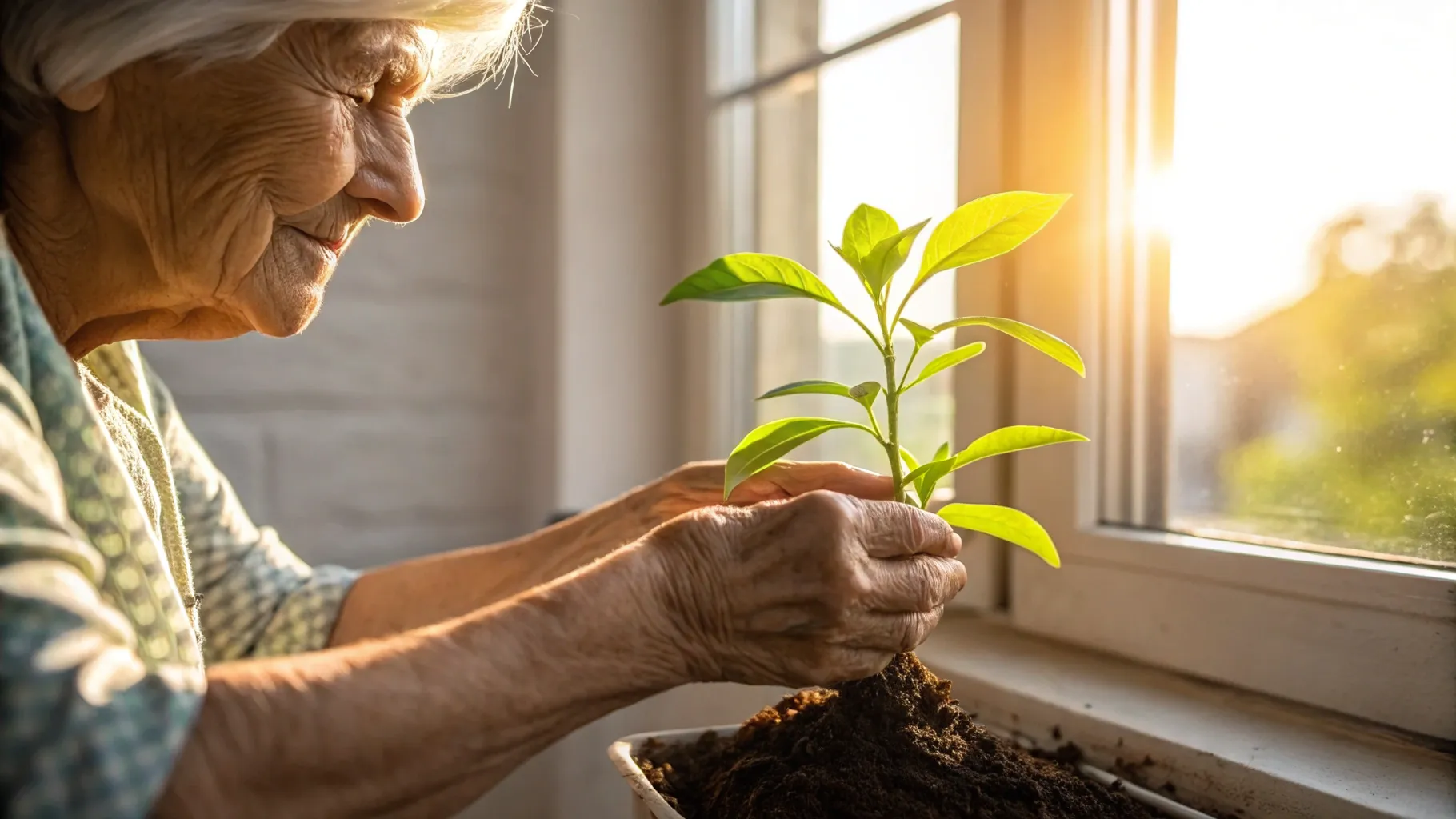
As we move through December 2025, the conversation around women's health continues to evolve, bringing a deeper appreciation for the complexities of the aging process. For many, understanding hormonal transitions is a key part of navigating this life stage with confidence and well-being. These changes are a natural and integral part of life, influencing everything from mood to physical health.
The Core of Change: Estrogen and Progesterone Decline
The most significant hormonal changes in older women are centered around the decline of two primary hormones: estrogen and progesterone. This process, culminating in menopause, doesn't happen overnight. It's a gradual journey with distinct phases.
Key Hormonal Shifts:
- Perimenopause: This is the transitional period before menopause, where hormone levels begin to fluctuate unpredictably. It can start years before the final menstrual period and is often the first sign of impending women’s health changes.
- Menopause: Defined as 12 consecutive months without a menstrual period, it marks the end of reproductive years. Estrogen levels drop significantly during this time.
- Postmenopause: The years following menopause. While some symptoms may ease, low estrogen levels continue to have long-term effects on the body.
Recognizing Menopause Related Shifts in Daily Life
The decrease in key hormones triggers a wide array of physical and emotional symptoms. While each woman's experience is unique, some of the most common menopause related shifts include hot flashes, night sweats, sleep disturbances, and mood swings. Many also report challenges with memory and concentration, often referred to as 'brain fog'. Understanding that these are biologically driven changes is the first step toward managing them effectively.
The Broader Impact of Aging Hormones on Health
The influence of aging hormones extends far beyond the immediate symptoms of menopause. Long-term low estrogen levels can have significant health implications, making proactive care essential.
- Bone Density: Estrogen plays a crucial role in maintaining bone strength. Its decline can accelerate bone loss, increasing the risk of osteoporosis and fractures.
- Cardiovascular Health: Estrogen has a protective effect on the heart and blood vessels. As levels fall, women face an increased risk of cardiovascular disease.
- Skin and Hair: Many women notice their skin becoming drier and less elastic, and their hair may thin. These are common results of ongoing hormonal changes.
Strategies for Managing Women's Health Changes
Navigating these transitions successfully involves a combination of lifestyle adjustments and, for some, medical support. It's about empowering yourself with knowledge and tools to support your body. Key strategies include:
- Balanced Nutrition: A diet rich in calcium, vitamin D, and phytoestrogens (plant-based estrogens) can support bone health and may help manage some symptoms.
- Regular Exercise: Weight-bearing activities help maintain bone density, while cardiovascular exercise supports heart health. Exercise is also a powerful mood booster.
- Hormone Therapy (HT): For many, HT remains an effective option for managing moderate to severe symptoms, though it's a decision that requires a thorough discussion with a healthcare provider to weigh the benefits and risks.
Embracing the Journey: Understanding Hormonal Transitions
Ultimately, experiencing hormonal changes in older women is a universal aspect of aging. As our understanding grows in 2025, the focus has shifted from simply 'treating' symptoms to holistically supporting women through this significant life stage. By recognizing the signs, understanding the underlying biology of aging hormones, and taking proactive steps, women can navigate this period with vitality and grace, setting the foundation for a healthy and fulfilling future.
References:
https://www.nia.nih.gov/health/menopause/what-menopause
https://www.mayoclinic.org/diseases-conditions/menopause/symptoms-causes/syc-20353397
https://www.hopkinsmedicine.org/health/conditions-and-diseases/menopause