The Shocking Truth: Homemade Foods That Cost More Than You Think
Facts:
- Specialty ingredients often drive up cooking costs significantly.
- A key trend is rising awareness of homemade food waste budget issues.
Uncovering the Hidden Costs in Your Kitchen
The age-old wisdom says that cooking at home is the undisputed champion of saving money. While this is often true, it's a dangerously oversimplified rule. The reality is that for certain recipes, the belief that cooking costs more than buying is an unfortunate fact. Many well-intentioned home chefs fall into common grocery budget mistakes, investing in ingredients and equipment for dishes that would have been cheaper, faster, and easier to purchase pre-made. This exploration dives into the specific meals and factors that challenge the 'homemade-is-cheaper' mantra, helping you better manage your homemade food waste budget and identify which culinary projects are truly worth your time and money.
7 Expensive Homemade Meals That Bust Your Budget
Embarking on a culinary adventure from scratch can be rewarding, but it can also be a minefield of hidden expenses. Before you commit to your next ambitious kitchen project, consider if it's one of these surprisingly expensive homemade meals. These are the top culprits where the cost of individual, high-quality ingredients quickly surpasses the price of a professionally made product.
1. Artisan Sourdough Bread
The sourdough craze has a romantic appeal, but the costs add up. Beyond the flour, water, and salt, there's the time and resources for starter maintenance ('feeding' it requires discarding flour regularly), specialty high-protein flours for the best texture, and essential equipment like a Dutch oven, banneton basket, and scoring lame. Not to mention the high oven temperatures required for baking, which can impact your energy bill. For occasional enjoyment, buying a loaf is often more economical and a way to avoid common grocery budget mistakes.
2. Gourmet Coffee Drinks
Recreating your favorite café latte or cappuccino at home seems smart, but the initial investment is steep. A decent espresso machine can cost hundreds of dollars. Add to that a quality grinder, fresh-roasted specialty beans, flavored syrups, and alternative milks, and your cost-per-cup can remain high for a very long time. This is a primary example of where cooking costs more than buying a single item, unless you're a high-volume consumer.
3. Authentic Sushi Rolls
Making sushi at home is one of the most classic foods that cost more to make for a beginner. The price of sushi-grade fish is extremely high. Then you need to purchase nori (seaweed), high-quality short-grain rice, rice vinegar, authentic wasabi, pickled ginger, and soy sauce. Specialized equipment like a bamboo rolling mat is also needed. The risk of error is high, and ingredient waste can turn this fun project into a costly one, damaging your homemade food waste budget.
4. Complex Spice-Heavy Dishes
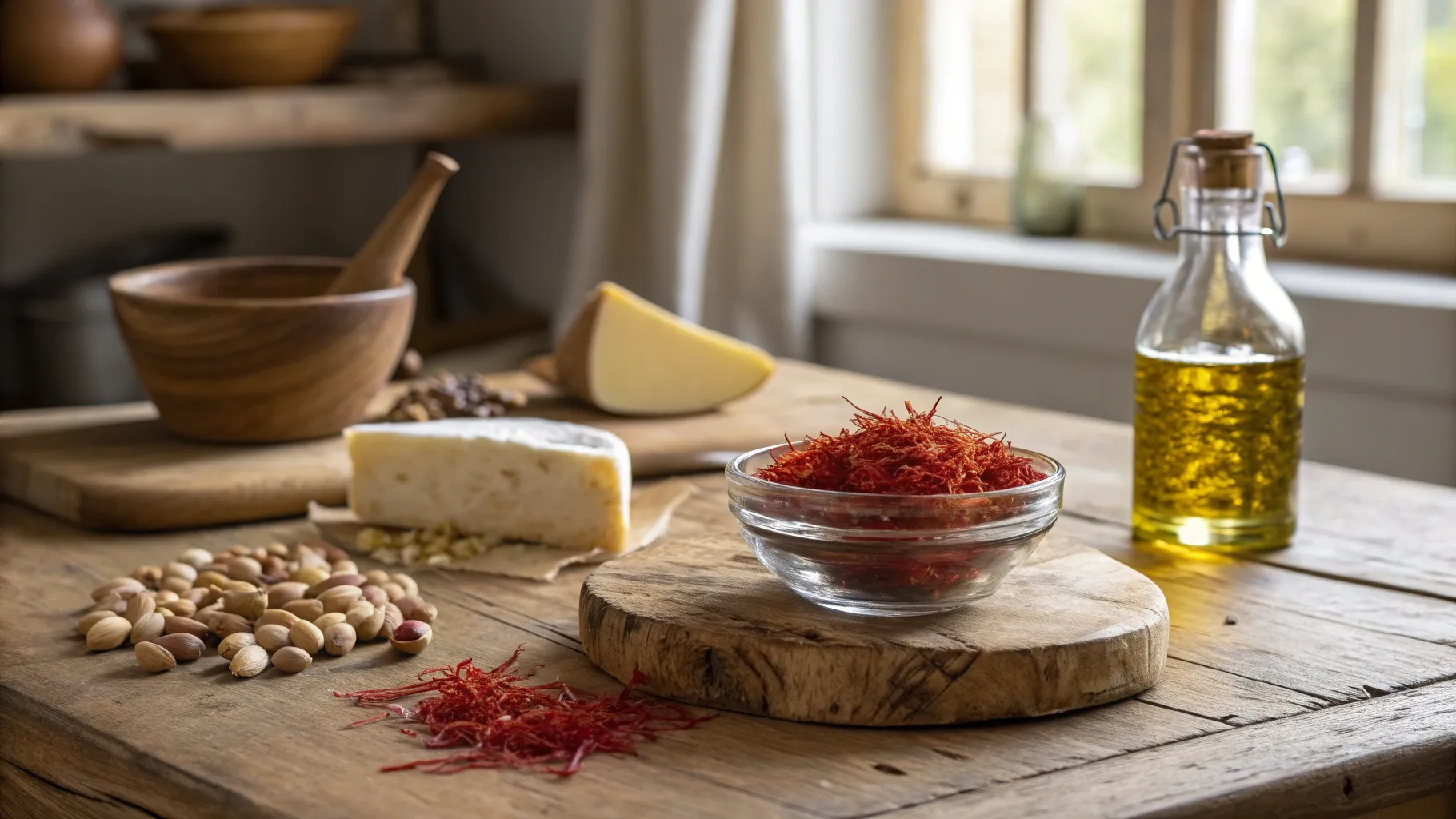
Dishes like authentic Indian curries or complex tagines often require a dozen or more different spices. Buying individual jars of cardamom, turmeric, saffron, star anise, and more can cost a small fortune. If you don't use these spices regularly, they lose their potency over time, leading to waste. This initial pantry-stocking cost makes these expensive homemade meals when compared to ordering from a restaurant that buys spices in bulk.
5. Fresh Pesto Pasta
A simple sauce, right? Not so fast. The cost of the main ingredient in traditional Genovese pesto, pine nuts, is extraordinarily high. Combined with a large amount of fresh basil (which can be pricey out of season), a quality block of Parmigiano-Reggiano, and good extra virgin olive oil, this 'simple' sauce becomes a luxury item. Making fresh pasta to go with it adds another layer of cost in terms of flour, eggs, and equipment.
6. Homemade Granola Bars
Store-bought granola bars can seem expensive, but making them at home isn't always the bargain you'd expect. The primary ingredients—nuts, seeds, quality dried fruit, protein powder, and natural sweeteners like maple syrup or honey—are all premium-priced items. When you calculate the cost per bar, especially for smaller batches, you might find it's one of those sneaky foods that cost more to make.
7. Kombucha Brewing
The bubbly, fermented tea is another hobby that seems frugal on the surface. However, the initial setup includes a SCOBY (the culture), large glass brewing vessels, quality organic tea, and a significant amount of sugar. Batches can fail due to contamination, leading to wasted ingredients and a hit to your homemade food waste budget. Consistency can be a challenge, making store-bought a more reliable and sometimes cheaper option.
Why Is Cooking at Home Sometimes More Expensive?
The core issue often boils down to economies of scale. A restaurant buys ingredients in massive bulk, reducing the per-unit cost dramatically. When you make a single batch of curry, you buy a whole jar of garam masala. A restaurant buys a 5-pound bag. This discrepancy is at the heart of why cooking costs more than buying for certain items. Furthermore, your time has value. A complex recipe that takes four hours to prepare has an opportunity cost. Finally, energy consumption from ovens and stovetops, plus the initial cost of specialized equipment, are often left out of the home cook's budget calculations, leading to major grocery budget mistakes.
Smart Strategies to Avoid a Bloated Food Budget
Being a savvy home cook isn't about making everything from scratch; it's about knowing *what* to make. To avoid the trap of making expensive homemade meals, adopt a more strategic approach to your cooking and shopping. This will protect your wallet and reduce frustration.
- Calculate Per-Unit Cost: Before embarking on a project like making granola bars, calculate the total ingredient cost and divide it by the number of bars you'll make. Compare this to your favorite store-bought brand. The answer may surprise you.
- Plan for Ingredient Overlap: If you buy a special ingredient, have at least two or three other recipes planned that use it. This is crucial for managing a healthy homemade food waste budget and ensuring expensive spices don't just expire in your pantry.
- Master the Basics First: Focus on making staple foods that offer genuine savings, like simple soups, roasted vegetables, and basic bean dishes. Leave the complex, ingredient-heavy recipes as occasional treats rather than budget-saving strategies.
- Buy from Bulk Bins: For spices, nuts, and grains, the bulk bin is your best friend. You can buy just the small amount you need for a single recipe, avoiding the high cost of a full jar. This is a top-tier tactic for avoiding grocery budget mistakes.
The Final Verdict: Balancing Cost and Quality
Ultimately, the decision to make something from scratch involves more than just money. Cooking can be a fulfilling hobby, a way to control ingredients for health reasons, and a method to achieve superior flavor. The key is to be realistic. Acknowledge that some projects are labors of love, not acts of frugality. By identifying the foods that cost more to make and understanding the reasons why, you can make informed decisions that align with both your financial goals and your culinary passions, creating a sustainable and enjoyable relationship with your kitchen.
Frequently Asked Questions
Why are some homemade foods so expensive to make?
Many expensive homemade meals are costly due to specialty, single-use ingredients. Items like rare spices, high-quality cheeses, or sushi-grade fish are bought in small retail quantities at a high markup, whereas restaurants benefit from wholesale prices. Equipment costs and potential ingredient waste from failed attempts also contribute significantly.
How can I manage my homemade food waste budget better?
To improve your homemade food waste budget, focus on meticulous meal planning. Use a 'first-in, first-out' system for your pantry and fridge. Learn to properly store ingredients to prolong their life. Additionally, plan to use versatile ingredients across multiple meals in a week to ensure nothing goes to waste.
Is it a major grocery budget mistake to try making everything from scratch?
Yes, it can be a significant grocery budget mistake. A balanced approach is best. Identify items that are genuinely cheaper and better homemade (like stock or simple baked goods) and recognize when buying pre-made is more economical (like complex sauces or artisan bread for occasional consumption). Applying the 80/20 rule can save you both time and money.
References
- The Journal of Consumer Culinary Economics
- Modern Home Budgeting Annual Report
- Global Food Waste Initiative Study
- Pantry & Larder Cost Analysis Review