Home Remedies and Exercises for Sciatica Pain Relief
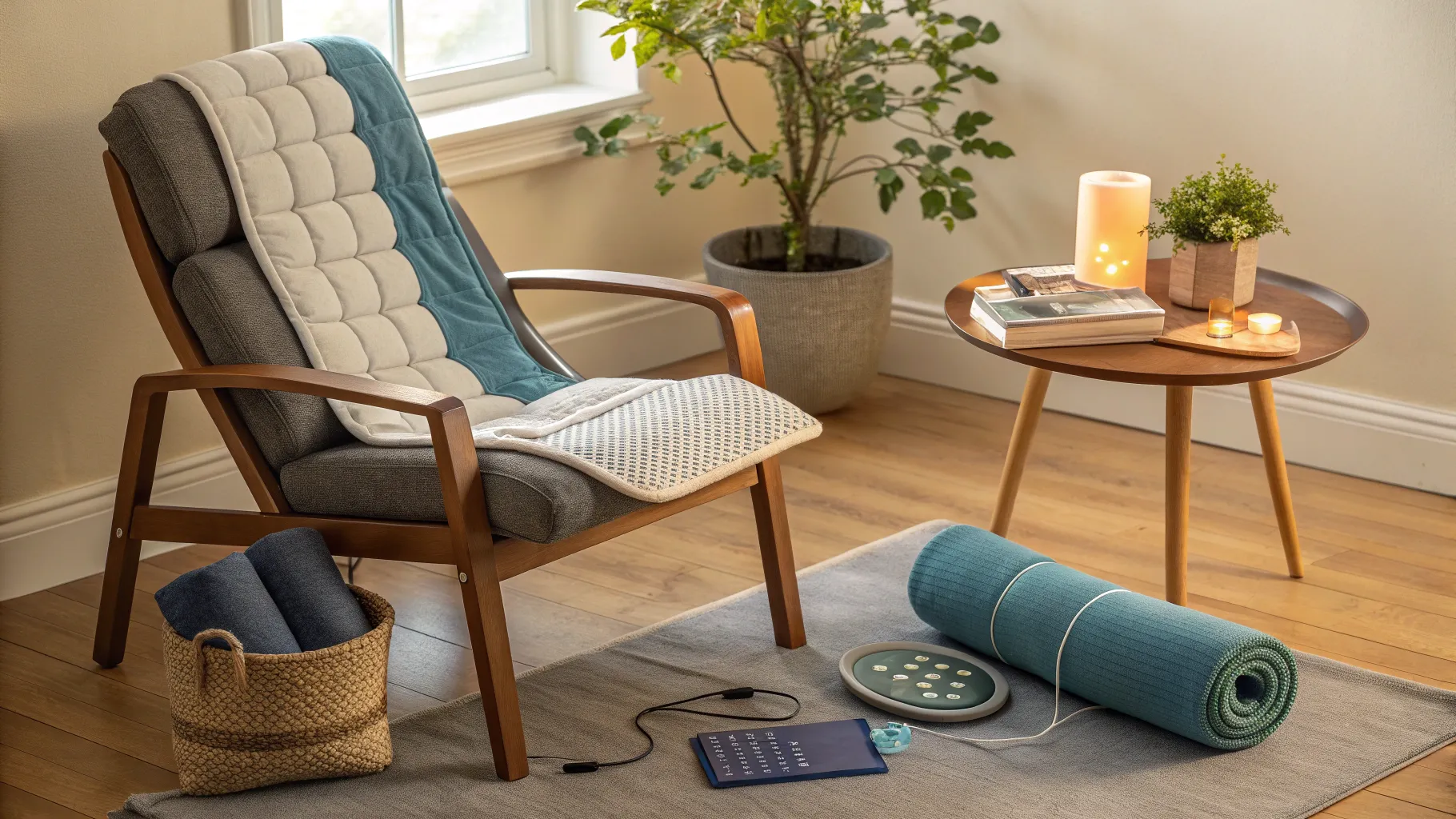
Sciatica Pain Treatment at Home
Sciatica, a term that encapsulates pain radiating along the sciatic nerve, affects millions of people worldwide. This nerve runs from your lower back through your hips and buttocks and down each leg. If you've ever experienced discomfort that seems to follow this path, you know how debilitating it can be. The good news is that many people are finding that sciatica pain treatment at home can offer significant relief without the need for expensive medications or surgeries.
Understanding Sciatica Pain
The roots of sciatica pain can be traced to a variety of causes such as herniated discs, spinal stenosis, or degenerative disc disease. Recent studies indicate that approximately 40% of individuals will experience sciatica at some point in their lives. The pain may manifest in various forms, including sharp or shooting discomfort, or simply a nagging ache that seems to linger. Recognizing the signs early can help you take action before the pain escalates.
Effective Home Remedies for Sciatica Pain Relief
Home remedies are an excellent first line of defense for sciatica pain relief. Here are a few therapies that many have found helpful:
- Heat and Ice Therapy: Start with ice packs to reduce inflammation during acute pain episodes. After a day or two, switch to a heating pad to relax muscle tightness. Alternating between the two can provide substantial relief.
- Over-the-Counter Pain Relievers: Medications such as ibuprofen or naproxen (both NSAIDs) may alleviate pain and help reduce inflammation. Always follow the dosage instructions carefully.
- Essential Oils: Utilizing oils like peppermint or lavender can exploit their natural anti-inflammatory properties. Diluted oils can be rubbed onto the painful areas for soothing relief.
Natural Approaches to Ease Sciatica Pain
If you're inclined toward natural treatments, several remedies can provide relief:
- Turmeric: Due to its potent anti-inflammatory properties, turmeric can be a beneficial addition to your diet, either as a spice in meals or taken as a supplements.
- Ginger: Drinking ginger tea not only tastes good, but can also enhance circulation and help reduce inflammation.
- Willow Bark: Often called nature’s aspirin, willow bark might provide relief from both pain and inflammation associated with sciatica.
Exercises to Alleviate Sciatica Pain at Home
Incorporating gentle exercise into your daily routine can significantly help manage sciatica pain. Here are a few stretching exercises specifically designed to relieve sciatic pain:
- Hamstring Stretches: Lying on your back, elevate one leg keeping it straight. Gently pull your leg towards you until a stretch is felt in the hamstring, hold this position for 20 to 30 seconds and then switch legs. This move is excellent for lengthening tight hamstrings.
- Piriformis Stretch: While lying flat, cross the affected leg over the opposite knee. Gently pull the supporting leg towards your chest while keeping your back flat. This stretch targets the piriformis muscle, which is often involved in sciatic nerve compression.
- Lower Back Stretch: Sitting on the edge of a chair with feet flat on the floor, lean forward slightly, aiming to touch your toes. This can help relieve tension in the lower back.
These exercises should be performed slowly and carefully, with particular attention to your body’s signals. If you feel any sharp pain, it’s essential to ease back or consult a healthcare professional.
Managing Sciatica Symptoms Without Surgery
Living with sciatic pain can be challenging, but many have found success in combining home treatments and lifestyle alterations. For instance, maintaining good posture while sitting and using ergonomic furniture can significantly diminish pain. In fact, a recent survey showed that over 75% of participants engaged in at-home treatment and noted a meaningful decrease in symptoms without resorting to surgery.
One simple adjustment like ensuring that your desk chair supports your lower back can make a world of difference. Incorporating short breaks to stand or stretch can also mitigate discomfort.
Investing in Supportive Devices
Supportive devices, such as ergonomic chairs, lumbar support cushions, or even specialized mattresses, can greatly alleviate the burden on your back during the day and while sleeping. Users report that small changes—such as using a footrest while sitting—can contribute to significant relief. Furthermore, a supportive mattress can prevent the exacerbation of sciatica while you sleep.
Staying Informed and Engaged
With the abundance of resources available online, there’s no shortage of information to help you manage your sciatica pain effectively from home. Many websites offer instructional videos, expert insights, and community forums where individuals can share their experiences and remedies. Joining an online support group can buoy your spirits and provide motivation during recovery.
Ultimately, recognizing and addressing the symptoms of sciatica through natural remedies and supportive practices empowers many individuals to reclaim their health. Whether it’s trying new exercises, applying home treatments, or investing in the right devices, finding relief from sciatica pain at home is not only possible but increasingly common.
As more people seek holistic approaches to their health, it has never been more vital to embrace a proactive mindset. The journey toward living comfortably with sciatica can start right at home, opening the door to better well-being and daily enjoyment.
The landscape of sciatica management is evolving positively, and for individuals willing to adopt these methods, considerable relief is within reach.