HIV Stem Cell Trials: A Deep Dive into Research and Future Cures
🗣️ Fast Facts:
- HIV stem cell trials offer a potential path to functional cure, focusing on specific genetic mutations for resistance.
- Funding for HIV stem cell research is steadily increasing, reflecting growing scientific interest and promising early results.
- Consult a specialist or clinical trial registry to assess eligibility for ongoing HIV stem cell research studies.
Understanding Symptoms & Options
The landscape of HIV treatment is constantly evolving, with antiretroviral therapy (ART) effectively managing the virus for millions. However, the quest for a functional or sterilizing cure continues to drive cutting-edge research. HIV stem cell clinical trials represent one of the most ambitious and promising frontiers in this endeavor, offering a glimpse into a future where HIV might be eradicated from the body.
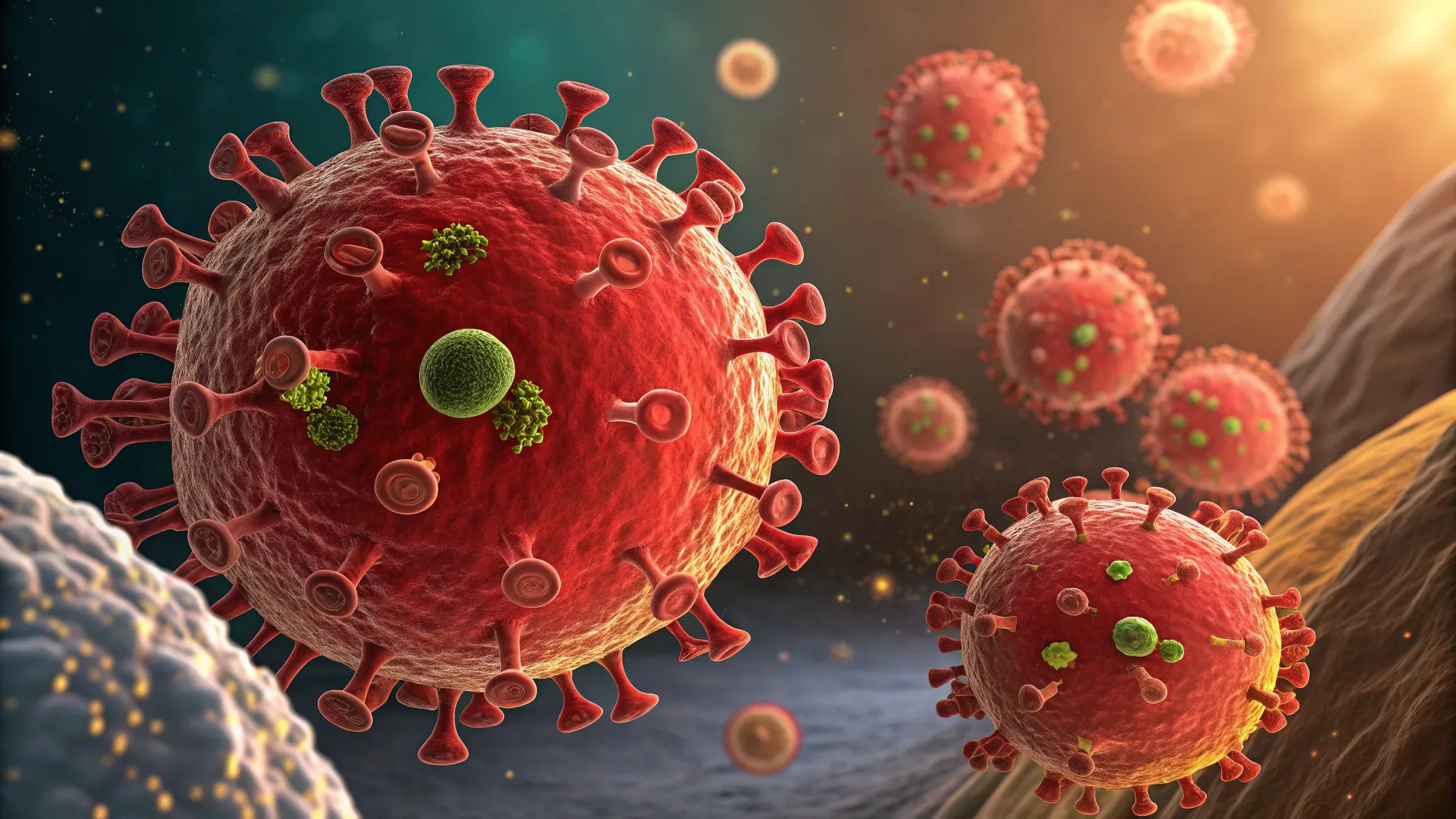
These trials often involve complex procedures, typically reserved for individuals with HIV who also require a stem cell transplant for other severe conditions, such as certain cancers. The underlying principle is to replace a patient's HIV-susceptible immune cells with new cells that are inherently resistant to the virus, either through natural genetic mutations (like CCR5-delta32) or genetic engineering.
- **Hope for a Cure:** Stem cell research represents one of the most promising avenues for a functional or even sterilizing cure for HIV, moving beyond lifelong antiretroviral therapy (ART).
- **Targeting Viral Reservoirs:** These therapies aim to eradicate or significantly reduce HIV's latent reservoirs in the body, which are notoriously difficult to reach with current medications.
- **Immune System Reconstitution:** Stem cell transplants can rebuild a patient's immune system, potentially replacing HIV-vulnerable cells with resistant ones, such as those with the CCR5-delta32 mutation.
- **Advancements in Gene Editing:** Breakthroughs in CRISPR and other gene-editing technologies are enabling scientists to engineer stem cells to be inherently resistant to HIV, making the therapy more accessible and effective.
- **Personalized Medicine Potential:** Future stem cell treatments could be tailored to individual patient genetic profiles, offering highly personalized and effective therapeutic strategies.
- **Reduced Treatment Burden:** A successful stem cell therapy could eliminate the need for daily ART, significantly improving the quality of life for individuals living with HIV.
- **Global Collaboration:** Extensive international collaboration among researchers and institutions is accelerating the pace of discovery and development in this complex field.
Standard vs. Advanced HIV Treatment Approaches
Understanding the distinction between standard care and advanced experimental therapies is crucial for anyone following HIV research:
Standard HIV Treatment: Primarily involves lifelong antiretroviral therapy (ART), which effectively suppresses the virus to undetectable levels, preventing progression and transmission. ART manages the infection but does not eliminate the virus from the body, requiring consistent adherence. While highly effective, ART can involve daily medication regimens and potential long-term side effects.
Advanced HIV Stem Cell Therapies: These experimental treatments, often involving bone marrow or hematopoietic stem cell transplantation, aim for a functional or sterilizing cure. They focus on replacing HIV-susceptible immune cells with genetically modified or naturally resistant stem cells (e.g., from donors with the CCR5-delta32 mutation). This approach is currently complex, high-risk, and primarily pursued in specific clinical trial settings, typically for patients with co-existing conditions like cancer that already require a stem cell transplant. The goal is to eliminate the need for ART altogether, but it's a far more invasive and resource-intensive process.
Understanding Potential HIV Symptoms & Progression Markers
While stem cell trials focus on advanced treatment, awareness of HIV symptoms and progression remains vital. Early HIV infection often presents with flu-like symptoms, which can be easily mistaken for other illnesses. Over time, if left untreated, the virus progressively damages the immune system, leading to more severe opportunistic infections and conditions. Monitoring viral load and CD4 cell counts are critical markers used in both standard care and trial settings to assess disease progression and treatment effectiveness.
Frequently Asked Questions
What are HIV stem cell clinical trials?
HIV stem cell clinical trials are research studies exploring the use of stem cell transplantation, often from donors with natural HIV resistance (like the CCR5-delta32 mutation) or gene-edited cells, to achieve a functional cure for HIV. These trials aim to replace a patient's HIV-susceptible immune cells with resistant ones.
Who is eligible for HIV stem cell trials?
Eligibility criteria are very strict and vary significantly by trial. Typically, participants are individuals living with HIV who also require a stem cell transplant for another condition, such as certain cancers (e.g., leukemia or lymphoma). This is due to the significant risks associated with the procedure.
What are the potential risks and benefits of these therapies?
Potential benefits include the possibility of a functional cure for HIV, eliminating the need for lifelong antiretroviral therapy. However, the risks are substantial, mirroring those of any stem cell transplant, including severe immune suppression, graft-versus-host disease, serious infections, and even death.
How far along is the research for an HIV stem cell cure?
While significant progress has been made, leading to a handful of documented functional cures (e.g., the "Berlin Patient," "London Patient"), these cases are rare and highly specific. The research is still in experimental phases, focusing on refining techniques, reducing risks, and expanding applicability to a broader patient population.
References
- National Institute of Allergy and Infectious Diseases (NIAID): www.niaid.nih.gov
- HIV.gov: www.hiv.gov
- ClinicalTrials.gov: www.clinicaltrials.gov