High Blood Sugar Symptoms and Senior Health Tips 2025
Understanding High Blood Sugar Symptoms
High blood sugar, commonly referred to as hyperglycemia, affects a growing number of individuals around the world, particularly among seniors. In 2025, the awareness of high blood sugar symptoms is paramount. With diabetes diagnosis rates climbing steadily, it becomes vital for everyone, especially older adults, to recognize these symptoms early. Understanding the fluctuations in blood sugar can help manage this condition effectively and improve overall health outcomes.
What Are High Blood Sugar Symptoms?
High blood sugar symptoms vary in severity based on individual health status and the extent of the glucose level changes. Here are some prevalent signs that you should not ignore:
- Frequent Urination: This is often one of the first signs of high blood sugar. When your blood glucose levels rise too high, your kidneys filter out the excess sugar, which increases urine production.
- Increased Thirst: Coupled with frequent urination, this symptom is your body’s way of indicating that it is becoming dehydrated due to fluid loss.
- Fatigue: A persisting sense of fatigue can signal that your body is not utilizing glucose properly, resulting in energy depletion.
- Blurred Vision: Elevated glucose levels can lead to swelling in the lenses of your eyes, affecting your ability to see clearly.
- Headaches: Many people with high blood sugar report frequent headaches, possibly due to dehydration or variations in insulin levels.
- Slow Healing Wounds: High blood sugar can impair the body's natural healing processes. Minor cuts and scrapes may take longer to mend, which could lead to further complications.
Recognizing these symptoms is crucial for timely medical intervention. Sadly, many people may dismiss these signs as mere side effects of aging or stress. Early identification can lead to better management of blood sugar levels and prevent future health complications.
Glucose Awareness: The Importance of Monitoring Sugar Levels
In 2025, glucose awareness has never been more critical, particularly among the elderly population. Reports indicate that around 34 million Americans, translating to approximately 10.5% of the population, currently have diabetes. A significant portion of this demographic includes older adults who often experience a natural decline in insulin sensitivity.
Regular monitoring of blood glucose levels is essential. Studies indicate that a considerable number of seniors may not regularly check their blood sugar levels, which can lead to undetected fluctuations. For instance, a recent survey highlighted that only about 50% of seniors could accurately identify the symptoms of hyperglycemia. This gap in knowledge emphasizes the urgent need for educational initiatives to promote glucose awareness.
Moreover, technological advancements have facilitated at-home blood sugar monitoring. Devices that connect seamlessly with smartphones enable seniors to track their glucose levels effectively. This not only helps individuals stay informed but also empowers them to take proactive steps in managing their health. Timely monitoring and appropriate lifestyle adjustments can significantly enhance one’s quality of life.
Recent statistics show that seniors who consistently monitor their blood sugar levels and adopt a holistic approach to health report improvements in both their mental and physical well-being. This comprehensive view includes a nutritious diet, regular physical activity, and routine medical check-ups, which work collectively to manage diabetes effectively.
Case Studies and Recent Findings
Over the past six months, several case studies have illustrated the shifting dynamics in managing high blood sugar. One notable study involved a group of seniors participating in a diabetes management program that focused on education and self-monitoring. The results demonstrated a significant reduction in both blood sugar levels and the incidence of diabetes-related complications among participants.
This study found that seniors who were educated on how to recognize symptoms like increased thirst and frequent urination had a greater understanding of their condition. They could respond promptly and effectively, reducing risks associated with prolonged high blood sugar levels. Such evidence underscores the critical role education plays in managing diabetes.
Furthermore, innovative home monitoring devices that connect to mobile applications not only provide real-time glucose readings but also offer personalized feedback, dietary suggestions, and exercise recommendations. When seniors use these technologies, they're not just tracking numbers; they're revitalizing their approach to health by making informed decisions based on accurate and timely data.
Senior Health Tips for Managing High Blood Sugar
Managing high blood sugar effectively involves a multifaceted approach, especially for seniors who may face unique challenges. Here are several crucial tips that can help in daily life:
- Stay Hydrated: Ensuring adequate fluid intake is essential, as it helps in flushing excess sugar from the body. Water should be the primary choice to avoid added sugars found in soft drinks or flavored beverages.
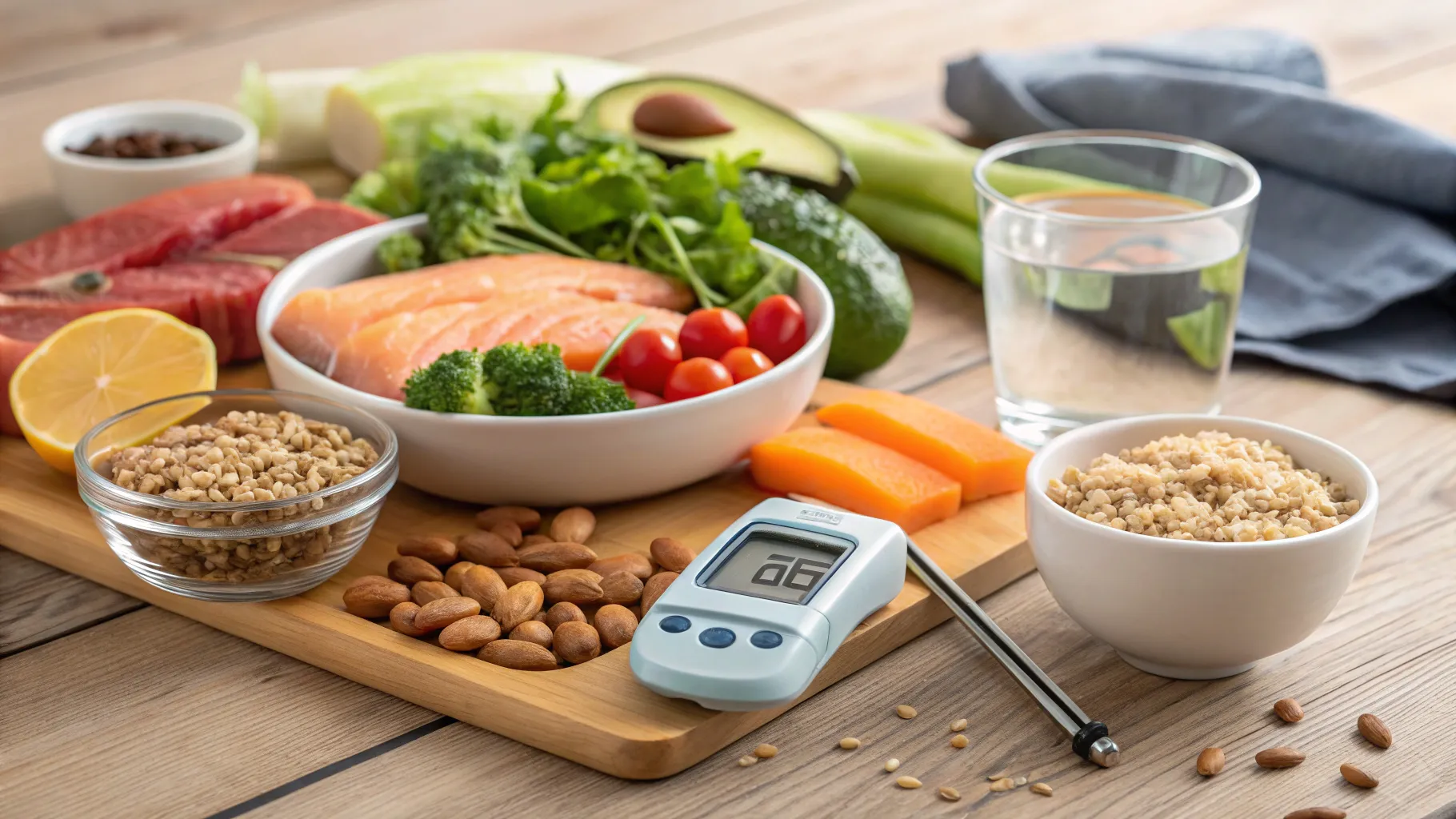
- Focus on Nutrition: A well-balanced diet rich in whole grains, vegetables, and lean proteins can significantly help in controlling blood sugar levels. Special attention should be given to minimizing processed sugars and unhealthy fats.
- Regular Exercise: Engaging in physical activity multiple times a week enhances insulin sensitivity. Seniors should aim for at least 150 minutes of moderate exercise, like walking or swimming, every week.
- Monitor Blood Sugar Levels: Utilizing at-home glucose monitors can help seniors keep track of their blood sugar levels, identify trends, and take necessary actions when levels spike or drop.
- Routine Check-Ups: Regular medical appointments allow healthcare providers to monitor not just blood sugar levels but overall health, addressing any concerns that may arise in the context of diabetes management.
By incorporating these strategies, seniors can take charge of their health, managing high blood sugar effectively and improving their lives significantly. The year 2025 emphasizes the importance of staying informed and proactive about diabetes management, ultimately leading to healthier and more vibrant living.