Healthy Metabolism After 50 Boost Energy and Vitality
Understanding Metabolism Changes After 50
As we navigate through the golden years, it's only natural to notice certain changes in our bodies, one of which includes metabolism. By the time many reach the age of 50, metabolism often slows down due to a variety of factors. According to recent studies, the basal metabolic rate (BMR), which reflects the number of calories our bodies burn at rest, typically decreases by about 2% to 3% per decade beyond the age of 20. This decline can lead to challenging shifts in body composition, energy levels, and overall health.
Understanding this metabolic shift is crucial for older adults looking to maintain or improve their health. Hormonal changes, such as decreased levels of testosterone and estrogen, significantly influence how we metabolize food. Coupled with muscle mass loss, a common occurrence that begins at around age 30, these factors impact our energy levels and our body's efficiency at utilizing calories effectively.
Foods that Support Energy and Metabolic Function
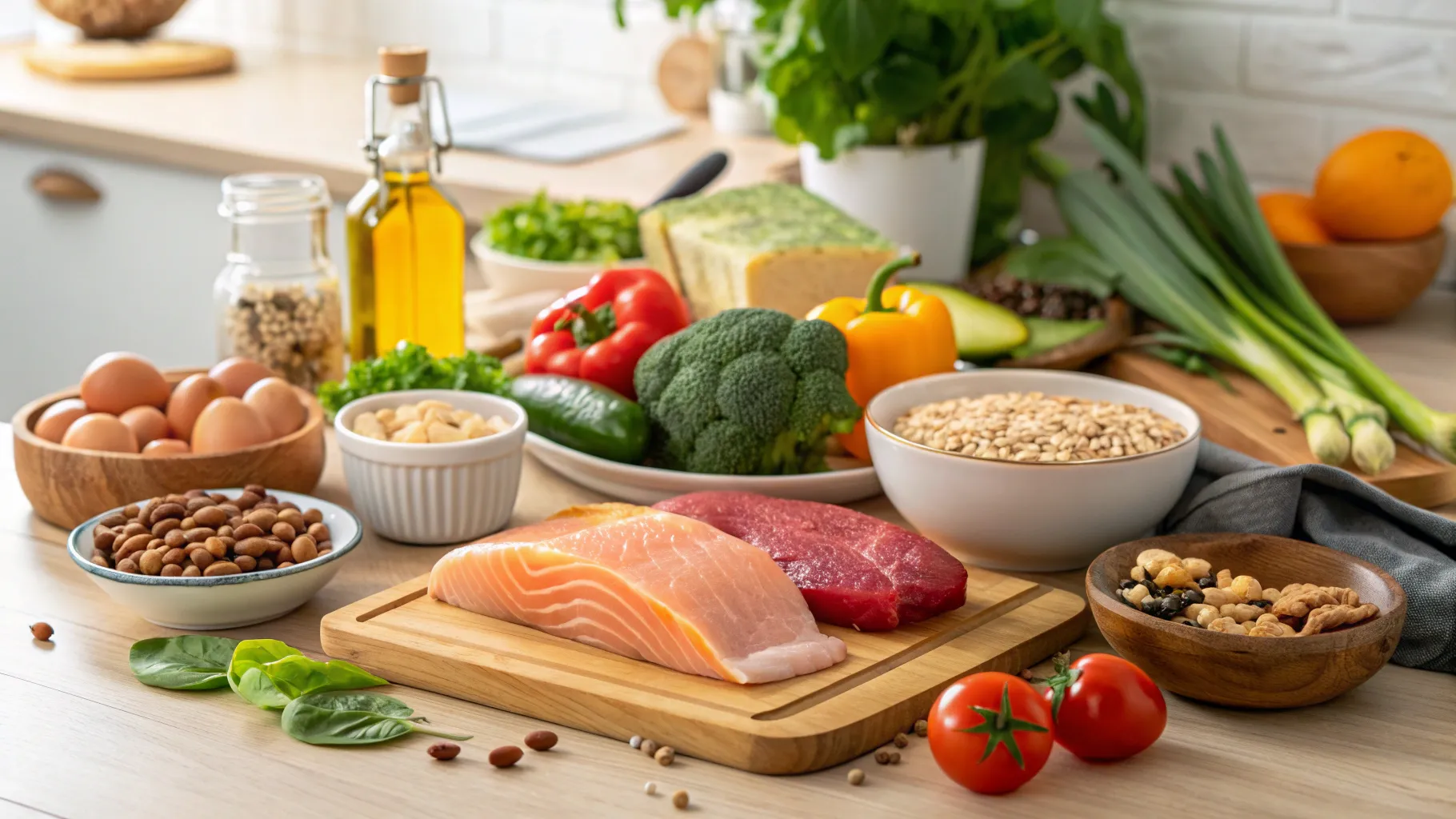
Adjusting one's diet is one of the most effective ways to boost metabolism after age 50. Here are some key foods and their benefits:
- Protein-rich foods: Incorporating lean meats, fish, eggs, and plant-based proteins like lentils can help preserve lean muscle mass. Studies show that higher protein intake supports metabolic function, as the body burns more calories digesting protein compared to fats and carbohydrates.
- Whole grains: Foods such as quinoa, oats, and brown rice provide essential fiber, which aids digestion and promotes a feeling of fullness. Fiber-rich foods also help maintain stable blood sugar levels, further optimizing metabolic health.
- Fruits and vegetables: Naturally nutrient-dense, options like berries, spinach, and broccoli are rich in antioxidants and vitamins. They not only support metabolic processes but also help combat inflammation—an important aspect of healthy aging.
- Healthy fats: Incorporating sources of healthy fats like avocados, nuts, seeds, and olive oil can improve metabolic health. These fats are vital for hormone production and can help keep you satiated longer.
How Exercise Affects Metabolism in Older Adults
Regular physical activity is undeniably beneficial for boosting metabolism, especially for those over 50. Exercise increases muscle mass, a crucial component for a healthy metabolism. According to recent fitness reports, older adults who engage in strength training at least two times a week gain an average of 1-2% of muscle mass annually—this translates to enhanced calorie burning.
Additionally, cardiovascular activities like walking, swimming, or cycling enhance overall health and contribute to higher metabolic rates. An interesting case study highlighted in 2025 revealed that older adults who consistently participated in moderate aerobic exercise leaned out and improved their resting metabolic rate by up to 7% over six months.
Furthermore, incorporating high-intensity interval training (HIIT) has shown promise for boosting metabolism in older adults. Participants in a local study managed to increase their BMR significantly after completing a HIIT program, demonstrating that intense bursts of activity can effectively revive sluggish metabolisms.
Information on Metabolism and Muscle Maintenance
Maintaining muscle mass is directly linked to a healthy metabolism. The loss of muscle tissue, known as sarcopenia, accelerates after the age of 50, leading to a decrease in the amount of calories burned at rest. It’s estimated that adults lose about 3-8% of muscle mass per decade after reaching 30 years old, so combating this trend is paramount.
Incorporating resistance training into one’s routine is essential not just for strength but also for metabolic health. A community healthcare initiative launched in early 2025 reported that older adults participating in twice-a-week resistance training programs not only preserved their muscle mass but also experienced significant enhancements in their metabolic rates and overall energy levels.
Tips for Boosting Metabolism Safely Through Lifestyle
In addition to dietary adjustments and regular exercise, certain lifestyle modifications can safely boost metabolism as one ages.
- Stay Hydrated: Water plays a crucial role in metabolic processes. Dehydration can slow down metabolism, so it’s essential to drink adequate water daily. New guidelines suggest at least 2 liters per day for older adults.
- Get Enough Sleep: Sleep deprivation can disrupt hormonal balance and negatively impact metabolism. Striving for 7-9 hours of quality sleep each night can rejuvenate metabolic function.
- Manage Stress: Chronic stress elevates cortisol levels, which can lead to an increase in appetite and cravings for high-calorie foods. Incorporating meditation or yoga into your weekly routine can significantly reduce stress levels and support metabolic health.
- Eat Regularly: Rather than skipping meals, consuming smaller, balanced meals throughout the day can help maintain stable blood sugar levels and energy, thereby encouraging a more robust metabolic rate.
Ultimately, knowledge about metabolism changes after 50 coupled with strategic dietary, exercise, and lifestyle choices can make a significant difference in how one feels and performs during these vital years of life. Whether it's through embracing nutrient-rich foods, integrating exercise into daily routines, or selecting healthy lifestyle habits, the journey towards a healthier metabolism post-50 is attainable. With these insights, anyone can take proactive steps toward enhancing their metabolic health and enjoying a fulfilling, energetic lifestyle.