Haircuts That Make Thin Hair Look Fuller: Top Styles for Volume
Facts:
- Strategic layering is a key technique to create instant volume.
- Blunt cuts are a major trend for achieving fuller looking haircuts.
Transforming Your Look: The Secret to Voluminous Hair
For those grappling with fine or thinning hair, the quest for volume can feel like a constant battle. The right haircut, however, is not just a style choice—it's a strategic move to create the illusion of thickness and body. Understanding the principles behind haircuts that make thin hair look fuller can completely change your perspective and your look. Instead of fighting against your hair's natural texture, you can choose a style that enhances it, providing a foundation for easier styling and a more confident appearance. These specialized haircuts for thin hair are designed to maximize every strand, using clever lines, layers, and shapes to build density where you need it most.
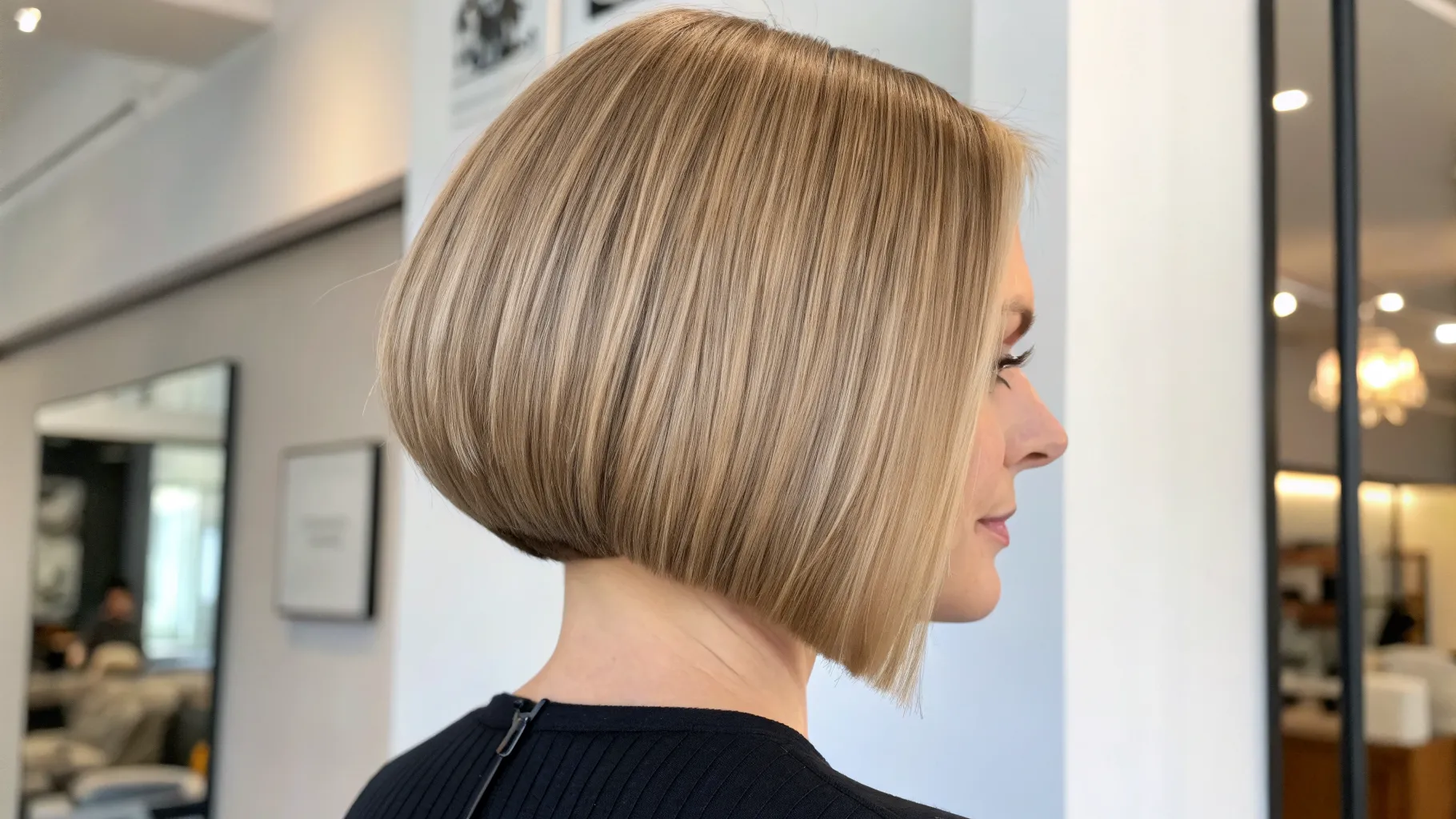
The Power of the Blunt Cut: Creating a Strong Baseline
One of the most effective strategies for making thin hair appear thicker is the blunt cut. When hair is cut to a single, sharp length, it creates a solid, heavy line at the bottom. This visual trick eliminates any wispy or sparse ends, which can often make fine hair look even thinner. The result is an immediate sense of density and fullness. The classic bob or a longer lob (long bob) are perfect examples of haircuts for thinning hair that utilize this principle. By keeping the perimeter strong, you create a powerful foundation that makes the entire head of hair look more substantial. This approach works exceptionally well for straight or slightly wavy hair, as the clean lines are more pronounced and effective at building visual weight.
Strategic Layering for Maximum Movement and Body
While it may seem counterintuitive, adding layers can be one of the best haircuts that make thin hair look fuller, provided it's done correctly. The key is strategic, not excessive, layering. Long, subtle layers, sometimes called 'ghost layers,' can be incorporated to create movement and lift without sacrificing precious density at the ends. These layers should be focused on the mid-lengths to ends, helping the hair to 'swell' and appear more voluminous. This technique prevents the hair from falling flat and looking limp. For those seeking modern hairstyles for fine hair, a textured cut with well-placed layers can provide the perfect balance of body and style, making hair easier to manage and style for a fuller look every day.
Short and Chic: Pixie and Bixie Cuts for Density
Shorter haircuts are often a fantastic solution for fine hair. A well-structured pixie or a 'bixie' (a hybrid of a bob and a pixie) can make hair look incredibly dense. By removing the length that can weigh thin hair down, these shorter styles allow the hair at the root to have more lift and volume. Adding texture through point-cutting or razoring can further enhance this effect, creating a piecey, modern look that is anything but flat. These fuller looking haircuts shift the focus to the shape and texture of the style itself, drawing attention away from the fine nature of the individual strands. They are bold, stylish, and incredibly low-maintenance options for anyone looking to make a significant change.
Blunt vs. Layered: A Deeper Look at Haircuts for Thin Hair
Choosing between a blunt cut and a layered style depends heavily on your hair type, face shape, and desired maintenance level. A blunt cut offers maximum perceived thickness at the ends and is a powerful choice for creating one of the best haircuts for thin hair, especially for those with straight hair. It provides a strong, graphic shape. On the other hand, layered hairstyles for fine hair introduce movement, texture, and volume throughout the hair, which can be ideal for wavy textures or for those who want a softer, more blended look. The decision often comes down to a trade-off: blunt cuts offer weight at the perimeter, while layers offer volume at the crown and throughout. Consulting with a stylist who understands the nuances of haircuts for thinning hair is crucial to determine which technique will best achieve your desired outcome.
Actionable Styling Tips to Enhance Your Fuller-Looking Haircut
Getting the right haircut is the first step, but how you style it at home is what maintains that voluminous look. Here are some essential tips to maximize the effect of your new cut:
- Use Volumizing Products: Start with a volumizing mousse or root-lifting spray applied to damp hair. These products create a 'scaffold' around each hair strand, making it feel and look thicker as you blow-dry.
- Master the Blow-Dry: Blow-drying your hair upside down is a classic trick for a reason—it lifts the roots directly away from the scalp, creating instant volume. Finish by using a round brush to smooth the ends and add shape.
- Change Your Part: A deep side part can create instant lift and the illusion of more hair on top. Simply flipping your part to the opposite side from where it naturally falls can add surprising height.
- Consider Color Dimension: Strategic highlights and lowlights can create an optical illusion of depth and fullness. The contrast in color makes your hair appear more multi-dimensional and, therefore, thicker.
Frequently Asked Questions
What is the absolute best of the haircuts for thin hair?
While there's no single 'best' cut, the blunt bob or a textured lob are often cited as the most universally flattering and effective haircuts for thinning hair. They create a strong baseline and make ends look thick and healthy, which gives the overall impression of greater density.
Can bangs help make fine hair look fuller?
Yes, bangs can be a great addition to hairstyles for fine hair. A wispy fringe or even fuller curtain bangs can help frame the face and create the illusion of more hair, especially around the hairline where thinning can be more noticeable. They draw the eye forward and add shape to your style.
How often should I trim fuller looking haircuts?
To maintain the shape and health of your haircut, especially blunt styles, it's recommended to get a trim every 6-8 weeks. Regular trims prevent split ends, which can travel up the hair shaft and make fine hair look even thinner and less healthy. Keeping the ends sharp is key to maximizing fullness.
References
- The Journal of Clinical and Aesthetic Dermatology
- International Trichology Congress Publications
- Professional Stylist and Hair Care Manuals
- Consumer Hair and Beauty Trend Reports