Discover the Hair Colors That Can Make You Look Younger
As we age, our skin tone and hair texture change, and the hair color that suited us in our twenties might not be the most flattering choice years later. The right hair color can brighten your complexion, soften features, and give you a vibrant, refreshed look. It's less about chasing a specific age and more about finding a shade that enhances your natural beauty and works in harmony with your current features.
How Color Theory Applies to Hair
The key to a youthful hair color often lies in warmth and dimension. Very dark, monochromatic colors can cast shadows on the face, potentially highlighting fine lines and wrinkles. Conversely, lighter and warmer tones tend to reflect light, which can illuminate the face and create a softer, more radiant effect. Think about the way sunlight naturally lightens hair, creating a multi-tonal, sun-kissed look. This principle is what stylists often try to replicate.
Adding dimension is just as important as the base color itself. A solid block of color can look harsh and artificial. By incorporating subtle highlights, lowlights, or techniques like balayage, a stylist can create movement and depth. This mimics the natural variation found in hair and prevents it from looking flat or dull, which can be aging.
Golden Blondes and Honey Hues
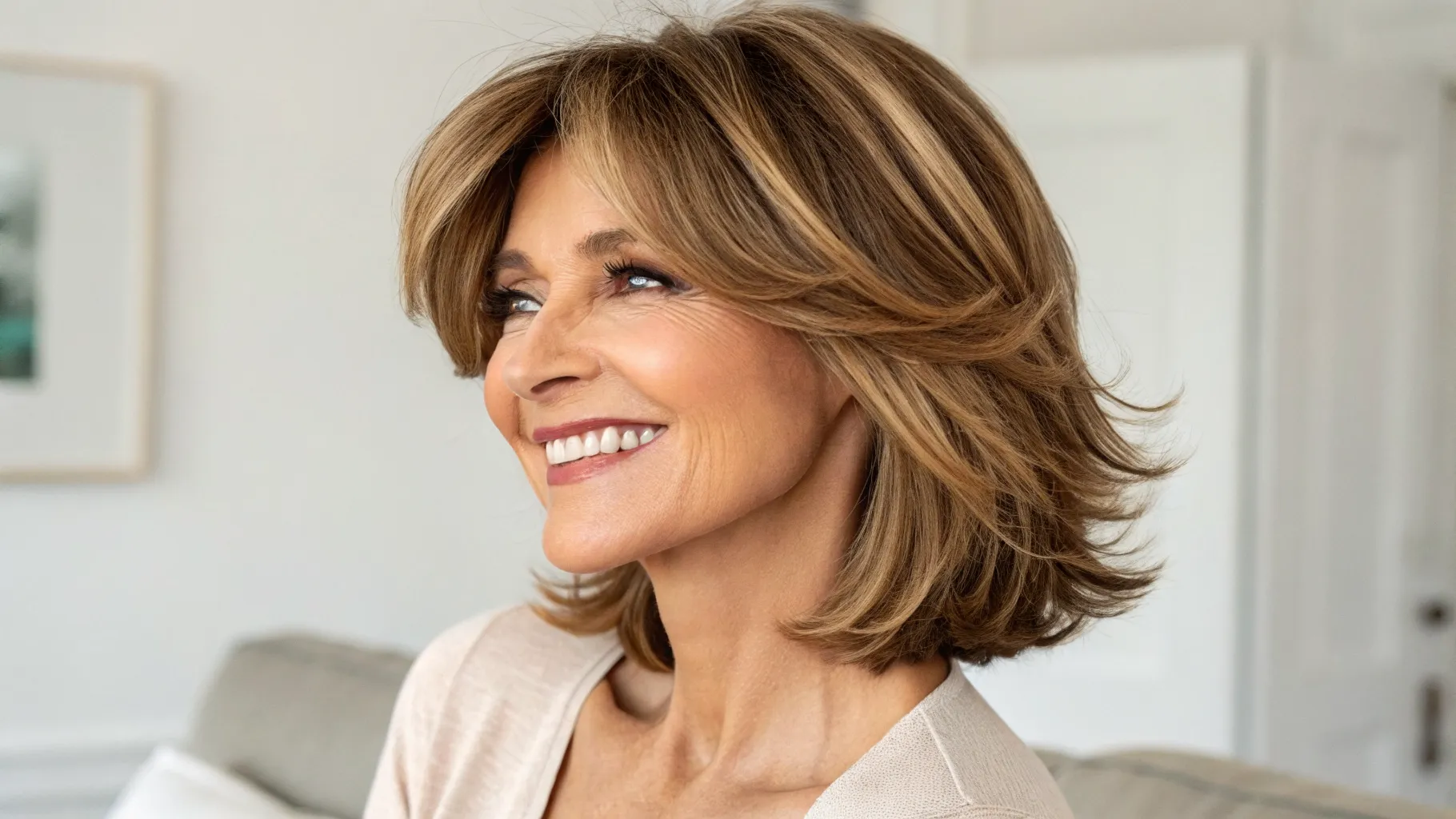
Warm, golden-toned blondes are excellent for adding a youthful glow. Shades like honey blonde, caramel, and butterscotch can instantly brighten the face, especially for those with fair to medium skin tones with warm undertones. These colors are not as harsh as platinum or ash blondes, which can sometimes wash out mature skin.
Instead of an all-over bright blonde, consider a darker blonde base with strategically placed golden highlights. This approach provides a more natural and lower-maintenance result. The highlights should be concentrated around the face to create a framing effect, drawing light to your features and enhancing your complexion.
Warm Brunettes and Caramel Tones
For those who prefer to stay on the darker side, moving from a very dark or cool-toned brown to a warmer, richer brunette can make a world of difference. Shades like milk chocolate, chestnut, and light auburn introduce warmth that can counteract sallowness in the skin. A solid, dark color can be unforgiving, but a brunette shade with golden or caramel undertones is much softer.
A fantastic way to update a brunette base is with balayage, a technique where highlights are hand-painted onto the hair. This creates a gradual, natural-looking effect. Caramel or toffee-colored ribbons woven through a medium brown base can add beautiful dimension and warmth, making the hair look fuller and more vibrant without a drastic color change.
Soft Coppers and Strawberry Blondes
Red tones can be incredibly flattering, but the key is to choose the right shade. Harsh, vibrant reds can sometimes be too intense. Instead, opt for softer, more muted versions like strawberry blonde, light copper, or a soft auburn. These colors have a golden or peachy base that adds a beautiful warmth to the skin.
These softer red hues work well for a variety of skin tones, from fair to medium. They provide the vibrancy of red hair without being overpowering. If you're not ready to commit to a full head of copper, you can ask your stylist to incorporate some fine copper or strawberry blonde highlights into your existing blonde or light brown hair for a touch of warmth.
The Importance of Complementing Your Skin Tone
The single most important factor in choosing a flattering hair color is your skin's undertone. Skin undertones are typically categorized as cool, warm, or neutral. A color that clashes with your undertone can make you look tired or washed out, while a complementary color will make your skin look healthier and more radiant.
Here's a quick guide to get you started:
- Cool Undertones: If your skin has pink, red, or bluish hints, and you look best in silver jewelry, you have cool undertones. Look for colors with ash, platinum, or violet bases, like ash blonde, cool brown, or burgundy.
- Warm Undertones: If your skin has golden, peachy, or yellow hints, and gold jewelry suits you best, you have warm undertones. Opt for shades like golden blonde, caramel, honey, chestnut, and copper.
- Neutral Undertones: If you have a mix of both and can wear both gold and silver, you have neutral undertones. Most colors will suit you, giving you a wide range of options to explore.
What to Discuss With Your Stylist
Before making any changes, it's wise to have a thorough consultation with a professional colorist. Bring inspiration photos, but be open to their suggestions, as they can assess your hair's condition, your skin tone, and your lifestyle to recommend the best options. Discuss the level of maintenance you're comfortable with; highlights and balayage often allow for a more graceful grow-out period than a solid, all-over color.
Also, talk about the health of your hair. As we get older, hair can become drier and more fragile. Your stylist might recommend a gloss or a demi-permanent color, which is less damaging than permanent dye. These treatments can add shine and richness to your color, contributing to a healthier and more youthful appearance overall.