Essential Hair Care for Mature Women: Your Guide to Healthy Aging Hair
Facts:
- Hair strands naturally become finer and less dense with age.
- Scalp-focused treatments are a major trend for healthy aging hair.
Understanding the Unique Needs of Mature Hair
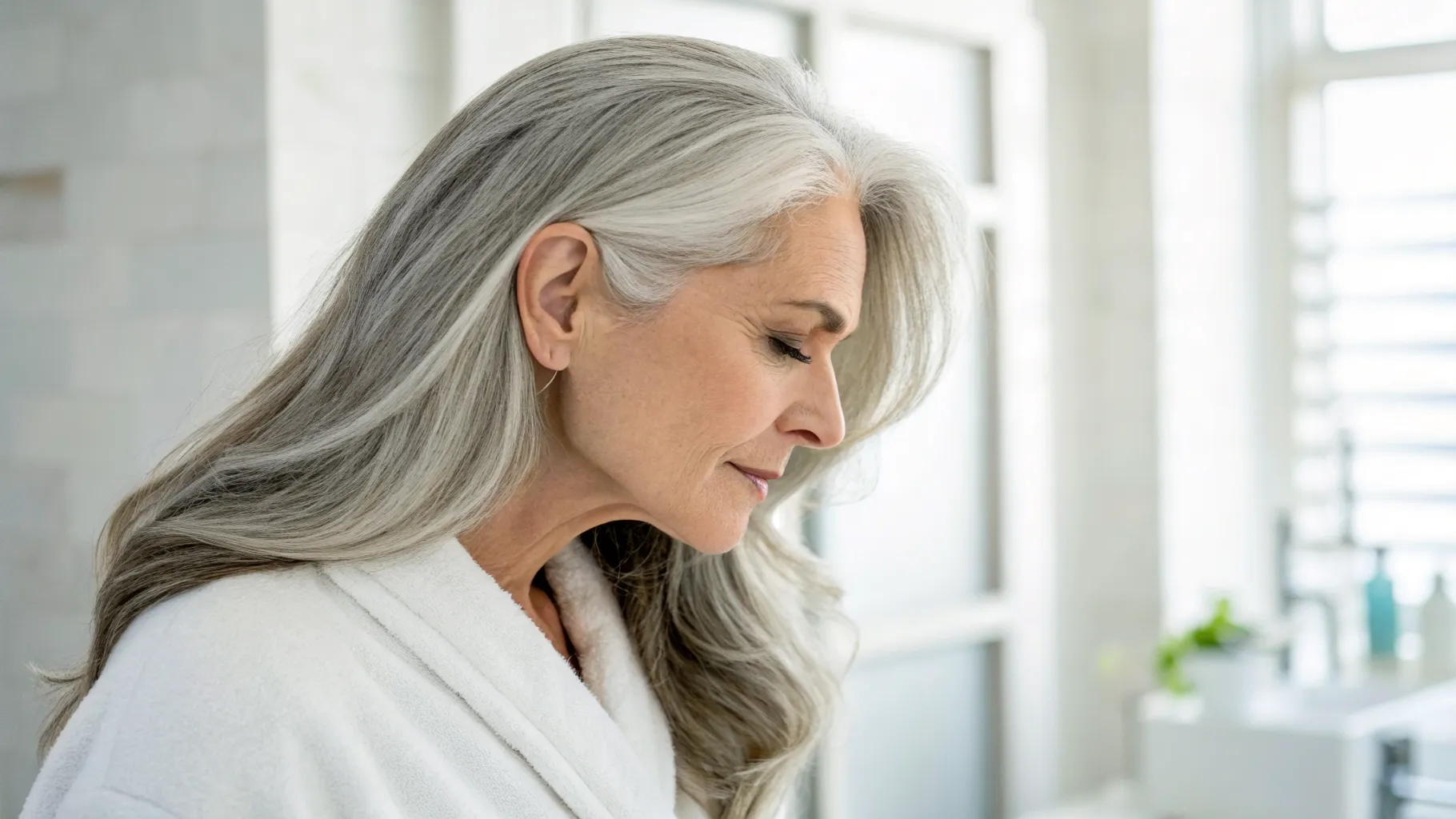
As women age, hormonal changes, particularly after menopause, significantly impact hair's density, texture, and overall health. The production of sebum, the scalp's natural oil, decreases, leading to dryness and brittleness. Furthermore, the life cycle of hair follicles can shorten, resulting in finer strands and reduced volume. Acknowledging these changes is the first step toward developing an effective hair care for mature women routine. Instead of fighting these natural processes, the goal is to work with them, providing the targeted nourishment and support your hair needs to thrive. Proper care can dramatically improve hair's appearance and feel, promoting healthy aging hair that is strong, shiny, and full of life.
Hydration and Moisture: The Cornerstones of Hair Care After 50
One of the most common complaints for women over 50 is hair dryness. As oil glands become less active, hair loses its natural moisture, making it prone to breakage and a dull appearance. Therefore, hydration is a non-negotiable part of hair care after 50. It's crucial to switch to products formulated specifically for dry or aging hair. Look for moisturizing shampoos and conditioners that are free from harsh sulfates, which can strip away what little natural oil is left. Incorporating a weekly deep-conditioning mask or a hair oil treatment can replenish lost moisture, restore elasticity, and add a youthful shine. Ingredients like hyaluronic acid, glycerin, shea butter, and argan oil are excellent for attracting and sealing in moisture, making them essential components in your hair care arsenal.
Nutrition's Role in Healthy Aging Hair
What you put inside your body is just as important as the products you apply to your hair. A balanced diet rich in vitamins and minerals is fundamental for healthy aging hair. Deficiencies in key nutrients can manifest as brittle, thinning hair. Ensure your diet includes ample protein (the building block of hair), iron to prevent shedding, and omega-3 fatty acids for scalp health and shine. Vitamins like Biotin (B7), Vitamin C (for collagen production), and Vitamin E (an antioxidant) are also vital. If you find it difficult to get all the necessary nutrients from your diet, consider discussing supplements with your doctor. Collagen peptides and specific hair growth supplements can provide targeted support for maintaining hair strength and density as you age.
Gentle Styling: Essential Mature Hair Care Tips
Aggressive styling habits that you got away with in your younger years can wreak havoc on mature hair. One of the most important mature hair care tips is to minimize heat styling. High temperatures from blow dryers, curling irons, and straighteners can sap moisture from already dry hair, leading to significant damage. When you must use heat, always apply a high-quality heat protectant spray. It is also wise to avoid tight hairstyles like high ponytails or braids that pull on the follicles, as this can lead to traction alopecia. Opt for gentle handling: use a wide-tooth comb instead of a brush on wet hair, and consider sleeping on a silk or satin pillowcase to reduce friction and prevent breakage while you sleep. These simple adjustments can make a world of difference in preserving the integrity of your hair.
Scalp Health: The Foundation for Hair Care After 60
A healthy scalp is the bedrock of beautiful hair, a principle that becomes even more critical in hair care after 60. As we age, scalp circulation can decrease, and product buildup can clog follicles, hindering new growth. To counteract this, incorporate regular scalp care into your routine. A gentle scalp massage, either with your fingertips or a specialized tool, can stimulate blood flow, which delivers essential oxygen and nutrients to the hair follicles. Using a clarifying shampoo once a month can help remove stubborn residue from styling products. Furthermore, consider investing in a nutrient-rich scalp serum with ingredients like peptides, caffeine, or antioxidants to invigorate the follicles and create an optimal environment for hair growth. This focus on the scalp is a proactive approach to ensuring your hair remains as healthy as possible for years to come.
Frequently Asked Questions
How often should I wash my hair for optimal hair care after 60?
For most women over 60, washing hair two to three times a week is sufficient. Mature hair tends to be drier, and overwashing can strip the scalp of its essential natural oils, exacerbating dryness and brittleness. Using a gentle, sulfate-free shampoo is key for effective hair care after 60.
What are the best ingredients to look for in products for hair care for mature women?
When searching for products related to hair care for mature women, look for hydrating and strengthening ingredients. Hyaluronic acid, shea butter, argan oil, and avocado oil provide intense moisture. For strength and repair, seek out proteins like keratin and collagen, as well as antioxidants like Vitamin E.
Can I still color my hair with a good mature hair care routine?
Absolutely. Coloring gray hair is common, but it's important to take extra precautions. Choose ammonia-free dyes if possible, and always follow up with deep conditioning treatments. Regular protein masks can help repair chemical damage, making coloring compatible with excellent mature hair care tips.
References
- Journal of Investigative Dermatology
- International Trichology Congress Proceedings
- American Academy of Dermatology Association Reports
- Studies on Aging and Cutaneous Biology