Ultimate Guide to Hair Care for Mature Women: Achieving Healthy Aging Hair
Facts:
- Hair density can decrease by up to 30% after 50.
- Scalp-focused serums are a top trend for healthy aging hair.
Embracing Change: The New Rules of Hair Care After 50
As we age, our hair undergoes significant transformations due to hormonal shifts, a natural decrease in sebum production, and changes in hair follicle density. Understanding these changes is the first step towards effective hair care for mature women. The routine that worked in your 30s may no longer suffice. Instead, a targeted approach that prioritizes moisture, gentle handling, and scalp health is crucial. Excellent hair care after 50 isn't about fighting aging but about embracing it with strategies that enhance your hair's natural beauty, strength, and vitality. This guide will provide comprehensive insights and actionable tips for maintaining gorgeous hair through every stage of life.
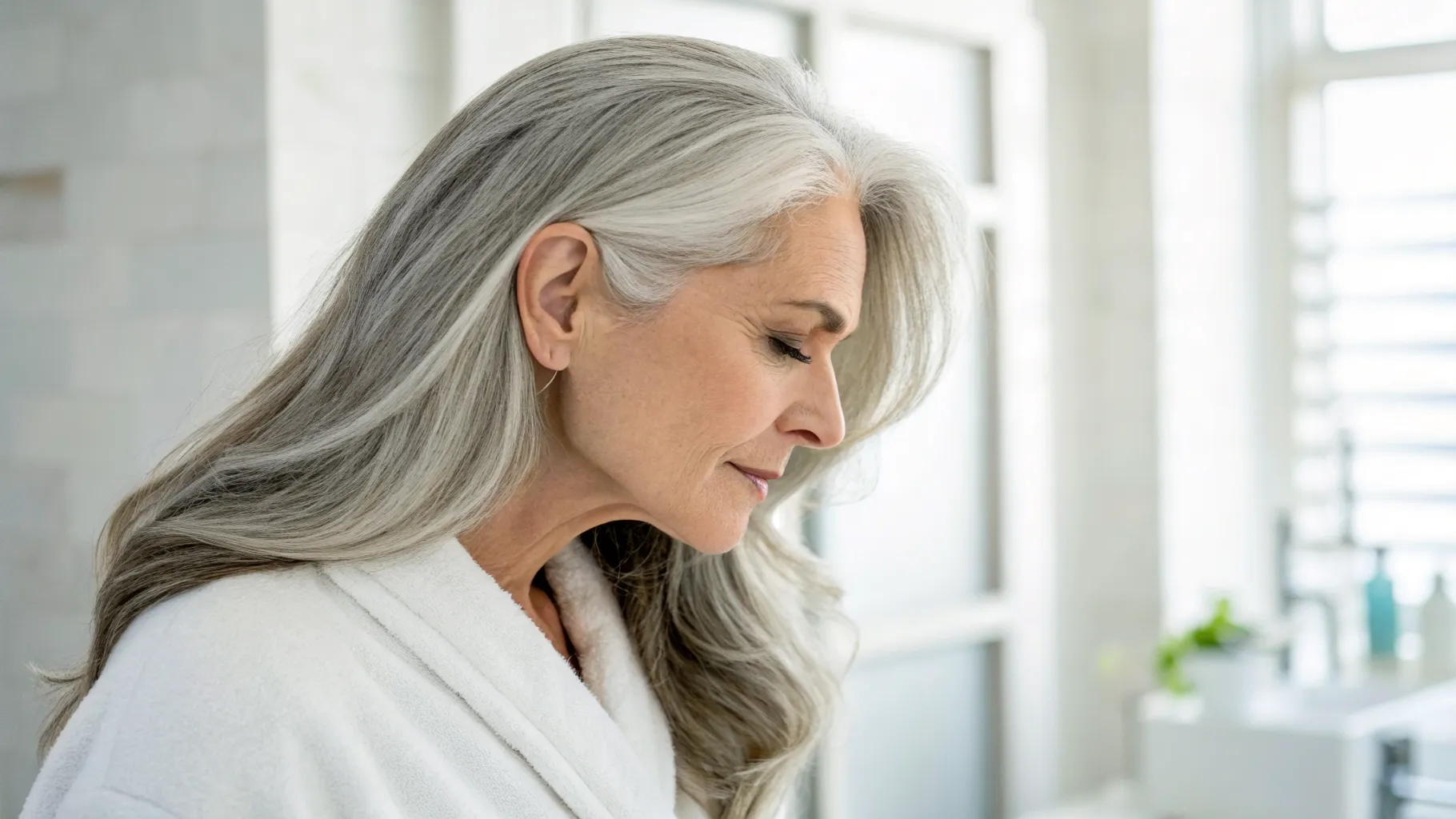
Hydration and Nutrition: The Foundation of Healthy Aging Hair
One of the most common complaints for mature hair is dryness, which leads to brittleness and breakage. As oil glands shrink and produce less sebum, our scalp and hair lose their natural moisturizer. Therefore, hydration becomes a cornerstone of any effective mature hair care tips. This involves both internal and external efforts. Internally, drinking plenty of water and consuming a diet rich in omega-3 fatty acids, antioxidants, and vitamins like Biotin, Vitamin E, and Iron is fundamental for healthy aging hair. Externally, this means using products designed to impart and seal in moisture. Look for ingredients like hyaluronic acid, glycerin, and natural oils. Weekly deep conditioning treatments or hair masks are no longer a luxury but a necessity for robust hair care for mature women, helping to restore elasticity and shine to parched strands.
Choosing the Right Products for Hair Care After 60
The products on your shower shelf can make or break your hair's health. For effective hair care after 60, it's time to audit your arsenal. Harsh detergents found in many shampoos, particularly sulfates, can strip the hair of its already limited natural oils, exacerbating dryness. Transitioning to a gentle, sulfate-free, and pH-balanced shampoo is a critical step. Follow up with a rich, moisturizing conditioner, concentrating it on the mid-lengths and ends. When it comes to styling products, less is more. Avoid heavy silicones that can weigh hair down and alcohol-based products that can be incredibly drying. Instead, opt for lightweight serums, leave-in conditioners, and nourishing oils like argan or jojoba. Reading labels and understanding ingredients are key parts of successful hair care for mature women.
Actionable Advice: Gentle Styling Techniques for Mature Hair
How you handle your hair daily is just as important as the products you use. Mature hair is more fragile and prone to breakage, so a gentle approach is non-negotiable. Here are some of the most important mature hair care tips for styling:
- Reduce Heat Styling: High temperatures from blow dryers, curling irons, and flat irons can cause significant damage. When you must use heat, always apply a thermal protectant spray and use the lowest effective temperature setting. Air-drying whenever possible is the best option for healthy aging hair.
- Invest in a Silk Pillowcase: Cotton pillowcases can create friction, leading to frizz, tangles, and breakage overnight. A silk or satin pillowcase provides a smooth surface, allowing your hair to glide without snagging, which is a simple yet effective part of hair care after 50.
- Avoid Tight Hairstyles: Constant tension from tight ponytails, buns, or braids can lead to a type of hair loss called traction alopecia. Opt for looser styles that don't pull on the hair follicles. Use soft hair ties or scrunchies instead of harsh elastics.
- Brush with Care: Never brush your hair when it's wet and at its most vulnerable. Use a wide-tooth comb to gently detangle, starting from the ends and working your way up to the roots. Investing in a high-quality brush with natural bristles can also help distribute scalp oils more evenly down the hair shaft.
Addressing Common Concerns: Thinning, Dryness, and Brittleness
Beyond general care, it's important to address specific concerns that arise with aging hair. For thinning hair, a primary focus of hair care for mature women should be scalp health. A healthy scalp is the garden from which hair grows. Consider using a scalp serum with ingredients like peptides, caffeine, or minoxidil to stimulate follicles and promote growth. Regular, gentle scalp massages can also increase blood flow to the area. For persistent dryness and brittleness, incorporating protein treatments can help. Hair is primarily made of keratin (a protein), and these treatments can help fill in gaps in the hair cuticle, temporarily strengthening the strand. However, be careful not to overdo it, as too much protein can make hair stiff. Balancing moisture and protein is a sophisticated part of hair care after 60 that yields fantastic results.
Frequently Asked Questions
How often should I wash my hair when practicing hair care after 60?
For most mature women, washing hair two to three times a week is sufficient. Over-washing can strip the scalp and hair of essential natural oils, leading to increased dryness. If you feel the need to refresh between washes, consider using a gentle dry shampoo focused at the roots.
What are the best vitamins for healthy aging hair?
A balanced diet is key, but certain supplements can support healthy aging hair. Biotin (Vitamin B7), Vitamin E (an antioxidant), Iron, Zinc, and Vitamin D are all crucial for hair follicle health and strength. Always consult with a doctor before starting any new supplement regimen.
Can I still color my hair with these mature hair care tips?
Absolutely. You can color your hair, but it requires extra care. Opt for ammonia-free dyes if possible, and consider professional coloring to minimize damage. After coloring, it's vital to focus on deep conditioning treatments and use color-safe, sulfate-free products to maintain both your hair's health and the vibrancy of the color. These are essential mature hair care tips for colored hair.
References
- Journal of Investigative Dermatology
- International Journal of Trichology
- Annals of Dermatology and Venereology
- The American Academy of Dermatology Association