A Guide to Stem Cell Therapy for Joint Relief
Stem cell therapy is an area of regenerative medicine that has gained significant attention for its potential to address joint pain and degeneration. For individuals dealing with chronic joint discomfort, understanding the basics of this treatment is the first step in evaluating it as a potential option. This guide provides a neutral, informational overview of what stem cell therapy for joints entails.
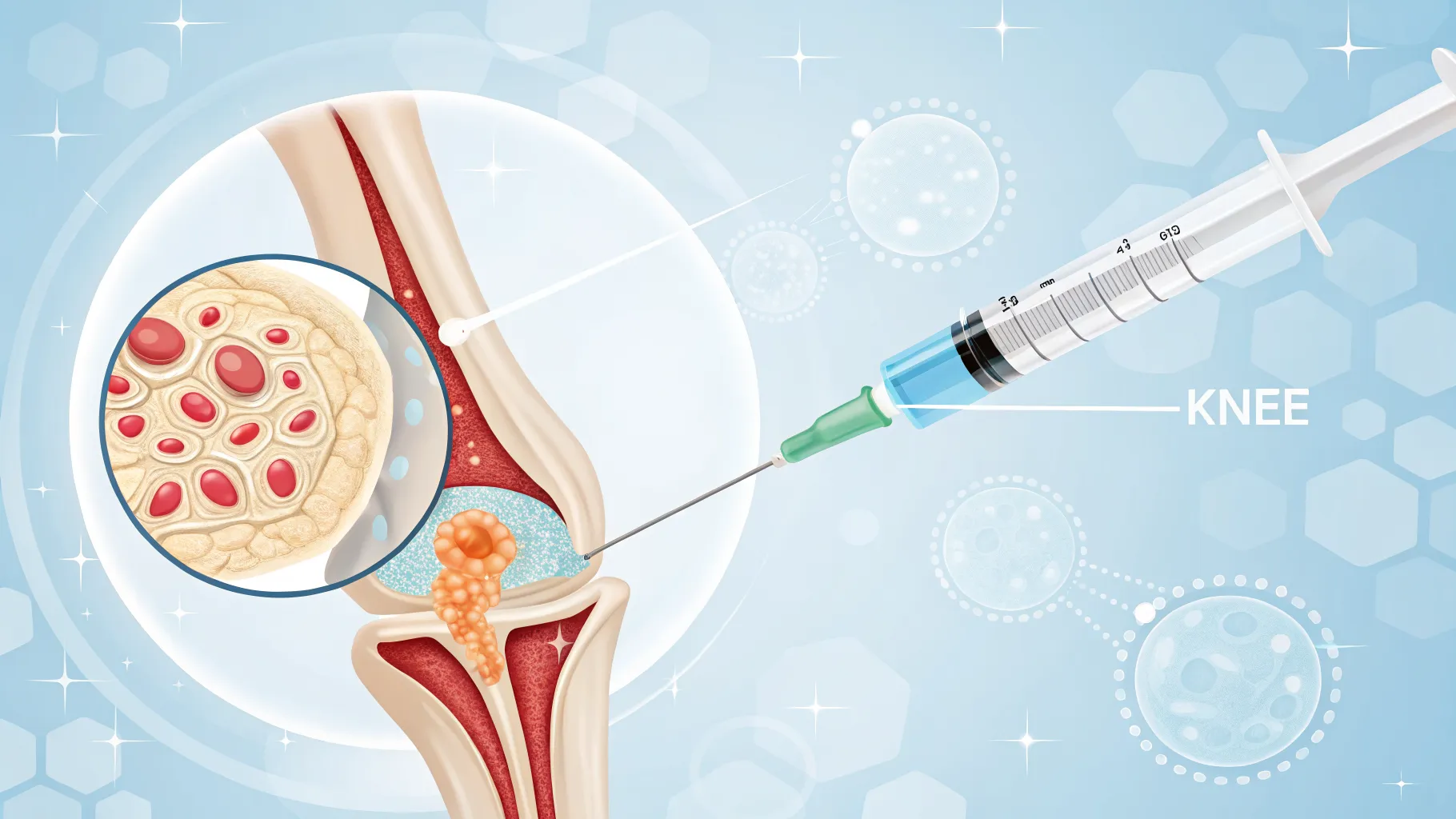
What Is Stem Cell Therapy?
Stem cell therapy involves using a patient's own cells or donor cells to help initiate the body's natural repair mechanisms. Stem cells are unique because they are undifferentiated, meaning they have the potential to develop into many different types of cells, such as cartilage, bone, or muscle cells. In the context of joint health, the goal is to introduce a concentrated amount of these cells into a damaged area to support the healing environment.
The procedure is generally considered minimally invasive. It typically involves harvesting stem cells from a source, concentrating them, and then reinjecting them into the affected joint. The underlying principle is that these cells can help manage inflammation and stimulate the body's inherent ability to repair itself, potentially improving function and reducing pain in the targeted joint.
How Does It Work for Joint Relief?
The primary way stem cell therapy is thought to work for joints is not by creating entirely new cartilage from scratch, but by powerfully influencing the joint's environment. When injected into a joint like the knee or hip, stem cells release signaling molecules and growth factors. These substances can have a strong anti-inflammatory effect, which is a major contributor to pain in conditions like osteoarthritis.
Furthermore, these signals may encourage the existing cartilage cells to become more active and protect them from further breakdown. They can also recruit other repair cells from the body to the site of injury. This multifaceted approach aims to shift the joint from a state of degeneration to a state of repair, leading to a potential reduction in pain and an improvement in mobility over time.
Types of Stem Cells Used in Joint Therapies
The stem cells used for orthopedic procedures are typically adult mesenchymal stem cells (MSCs), not embryonic stem cells. These cells are most often autologous, which means they are harvested from the patient's own body. This eliminates the risk of rejection or disease transmission from a donor.
There are several common sources for these cells:
- Adipose Tissue: Stem cells can be sourced from fat tissue, usually through a simple procedure similar to liposuction performed under local anesthesia. Adipose tissue is a rich source of MSCs.
- Bone Marrow: Another primary source is bone marrow, which is typically aspirated from the back of the hip bone (iliac crest). This procedure is also done with local anesthesia to minimize discomfort.
- Amniotic and Umbilical Cord Tissue: In some cases, cells may be sourced from donated birth tissues after a healthy, full-term pregnancy. These are considered allogeneic (from a donor) and are processed at a lab before being available for use.
What to Expect During the Procedure
The process of receiving stem cell therapy for a joint usually follows a clear series of steps. It begins with a thorough consultation, including a physical examination and a review of medical imaging like X-rays or MRIs, to determine if you are a suitable candidate. The physician will discuss the potential benefits and risks with you.
On the day of the procedure, the first step is the harvesting process. Depending on the source, this involves either a bone marrow aspiration or a mini-liposuction. The collected sample is then taken to an on-site lab where it is processed in a centrifuge to separate and concentrate the stem cells. Finally, the concentrated stem cell solution is carefully injected into the target joint, often using ultrasound or fluoroscopy guidance to ensure precise placement.
Finding and Evaluating Potential Providers
As this is a specialized field, finding a qualified provider requires careful research. It is advisable to look for physicians who are board-certified in a relevant specialty, such as orthopedics, sports medicine, or physical medicine and rehabilitation. These specialists should have extensive experience and specific training in performing regenerative medicine procedures.
When you have a consultation, it is important to ask specific questions to properly evaluate the clinic. Inquire about the physician's experience with your specific condition, the type and source of the stem cells they use, and the technology they employ for processing and injection. You should also ask about their typical patient outcomes and what a realistic recovery timeline looks like. Reputable providers will offer transparent answers and manage your expectations realistically.
Understanding Costs and Considerations
A significant factor for most people is the cost of stem cell therapy. These procedures are often not covered by insurance plans, as many still consider them to be investigational. This means patients should expect to pay out-of-pocket. The total cost can vary widely depending on the type of procedure, the number of joints being treated, and the geographic location of the clinic.
It is also crucial to be aware of the regulatory environment. Be cautious of clinics that make extraordinary claims or promise a complete cure. The field is still evolving, and while many patients report positive results, outcomes are not guaranteed. Focus on clinics that prioritize patient safety, follow established medical guidelines, and provide clear, evidence-based information about the treatment.