A Comprehensive Guide to Carpet Cleaning Methods
Facts:
- Most carpets should be professionally cleaned every 12-18 months.
- Eco-friendly cleaning solutions are a major trend for home carpet cleaning methods.
Decoding the Best Carpet Cleaning Techniques for Your Home
Choosing the right approach from the many available carpet cleaning methods is crucial for maintaining the beauty, longevity, and hygiene of your floors. The effectiveness of any cleaning process depends heavily on the carpet's material, the type of soil or stains present, and your specific needs. Understanding the different types of carpet cleaning empowers you to make an informed decision, whether you're tackling the job yourself or hiring a professional. This guide delves into the most common carpet cleaning techniques to help you achieve a truly deep clean and revitalize your living space.
Exploring the 5 Primary Types of Carpet Cleaning
When it comes to professional and DIY carpet care cleaning, five methods dominate the industry. Each has its unique process, advantages, and ideal applications. Selecting the wrong one can lead to suboptimal results or even damage to your carpet fibers. Let's break down each of these core carpet cleaning techniques in detail.
1. Hot Water Extraction (Steam Cleaning)
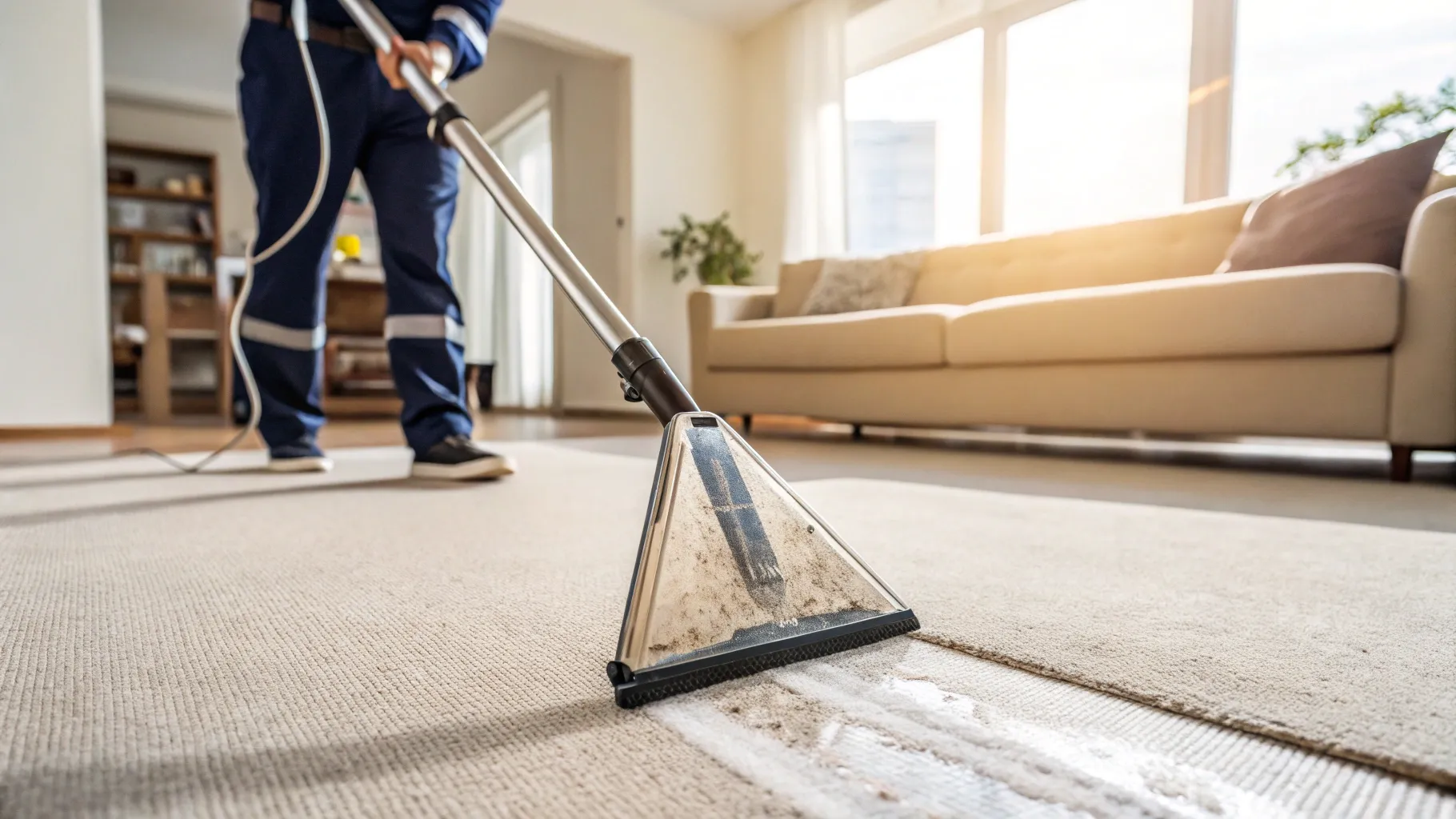
Often referred to as steam cleaning, hot water extraction is a powerful and widely recommended method. It involves spraying a high-pressure solution of hot water and cleaning agents into the carpet fibers. A powerful vacuum simultaneously extracts the solution along with the dislodged dirt, allergens, and grime. This method is exceptionally thorough, reaching deep into the pile to remove embedded soil. It's highly effective for restorative cleaning and is a preferred choice for many carpet manufacturers to maintain warranties. However, it does have a longer drying time, typically ranging from 6 to 12 hours, which is a key consideration for high-traffic areas.
2. Dry Carpet Cleaning (Compound Cleaning)
For those who need a fast-drying solution, dry carpet cleaning is an excellent option. This technique uses a minimal amount of moisture. A biodegradable, absorbent cleaning compound is sprinkled over the carpet and worked into the fibers with a special machine equipped with counter-rotating brushes. The compound acts like a collection of tiny sponges, absorbing dirt and grime. After a short period, the compound and the captured soil are thoroughly vacuumed up. The main benefit of these home carpet cleaning methods is the lack of drying time; the carpet is ready for use almost immediately after the process is complete.
3. Carpet Shampooing
One of the oldest types of carpet cleaning, shampooing involves applying a specially formulated, high-foaming shampoo to the carpet using a motorized brush. The brush agitates the shampoo into a thick foam, which loosens and suspends dirt. Once the carpet dries, the residue is vacuumed away. While effective at lifting surface-level dirt, modern professionals often avoid this method because it can leave behind a sticky residue that attracts new dirt quickly if not rinsed properly. Advances in other carpet cleaning methods have made shampooing less common for deep cleaning.
4. Encapsulation
Encapsulation is a more modern, low-moisture cleaning technology. A special polymer-based cleaning solution is applied to the carpet. As it dries, the polymers crystallize and 'encapsulate' the dirt particles. The dried crystals are non-sticky and are easily removed during a routine post-cleaning vacuuming. This method is praised for its fast drying times and effective results, preventing the wicking of stains back to the surface. It is a popular choice for commercial maintenance due to its efficiency and lack of sticky residue, making it a superior evolution of older shampooing carpet cleaning techniques.
5. Bonnet Cleaning
Bonnet cleaning is primarily a surface-level cleaning method used for light maintenance between deep cleanings, especially in commercial settings like hotels. A motorized machine with a spinning pad, or 'bonnet,' soaked in a cleaning solution is used to absorb dirt from the top layer of the carpet fibers. While it provides a quick, temporary improvement in appearance, it does not clean deep into the carpet pile. Critics argue that it can push dirt further down into the carpet and may leave behind chemical residue. It is not considered a true deep-cleaning method but serves a purpose in a comprehensive carpet care cleaning program.
Comparing Professional vs. DIY Home Carpet Cleaning Methods
Deciding between hiring a professional service and undertaking one of the home carpet cleaning methods yourself involves weighing cost, effort, and effectiveness. Professional services use commercial-grade equipment that offers significantly more heat, pressure, and extraction power than rental or consumer-grade machines. This results in a deeper, more sanitary clean and faster drying times. Professionals are also trained in identifying carpet fibers and choosing the appropriate carpet cleaning methods and solutions to prevent damage. On the other hand, DIY methods offer cost savings and convenience, allowing you to address spills and high-traffic areas on your own schedule. However, the risk of over-wetting the carpet, using the wrong chemicals, or leaving residue is higher, which can lead to mold, mildew, or rapid re-soiling.
Actionable Tips for Effective Carpet Care Cleaning
Proper maintenance is key to extending the life of your carpet and keeping it looking its best. Beyond just professional cleanings, your daily and weekly habits play a significant role. Here are some essential tips for effective carpet care cleaning.
- Vacuum Regularly and Thoroughly: Vacuum high-traffic areas at least twice a week and the rest of your carpet weekly. This removes abrasive dry soil that can wear down carpet fibers over time.
- Address Spills Immediately: The longer a spill sits, the harder it is to remove. Blot spills with a clean, white cloth, working from the outside in. Never rub, as this can spread the stain and damage fibers.
- Use Area Rugs and Mats: Place mats at all entrances to trap dirt before it reaches your carpet. Use area rugs in high-traffic zones to protect the underlying carpet from wear and tear.
- Choose the Right Cleaning Products: Always test any spot cleaner on an inconspicuous area first to ensure it doesn't discolor your carpet. Avoid harsh chemicals that can leave a damaging residue.
- Schedule Professional Cleaning: Even with regular vacuuming, you should have your carpets professionally cleaned every 12-18 months using one of the deep carpet cleaning techniques like hot water extraction to remove embedded dirt and allergens.
Frequently Asked Questions
Which of the carpet cleaning methods is best for pet owners?
For pet owners, hot water extraction (steam cleaning) is generally considered the best method. Its ability to penetrate deep into the carpet fibers allows it to effectively remove pet dander, hair, and tough, odor-causing stains and bacteria. It provides a true sanitized clean that other methods might not achieve.
How often should I use professional types of carpet cleaning?
Most carpet manufacturers recommend a professional deep cleaning every 12 to 18 months. However, for households with pets, children, or high foot traffic, scheduling a professional cleaning every 6 to 9 months may be necessary to maintain carpet hygiene and appearance.
Can the wrong carpet cleaning techniques damage my carpet?
Yes, absolutely. Using a method that is too aggressive for your carpet's fiber type, over-wetting the carpet, or using the wrong cleaning solutions can cause irreversible damage, such as fiber distortion, browning, color bleeding, or delamination where the backing separates from the carpet.
References
- The Carpet and Rug Institute (CRI)
- Institute of Inspection Cleaning and Restoration Certification (IICRC)
- Journal of Residential Cleaning Standards
- Home Maintenance and Improvement Guide