A Buyer's Guide to Police Impound Laptops & Tech Auctions in 2025
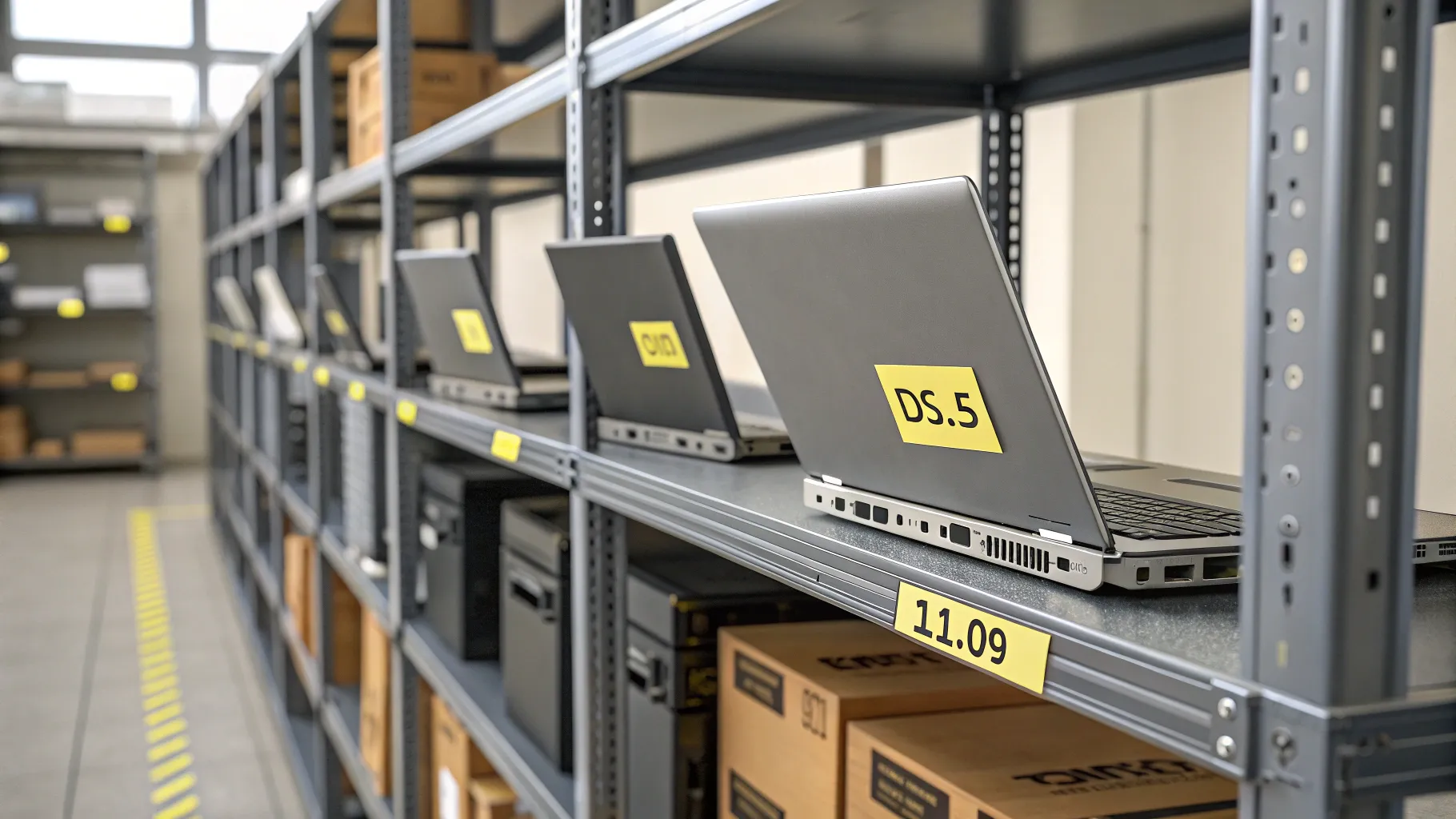
As of December 2025, savvy buyers are increasingly turning to a unique source for affordable technology: police auctions. When law enforcement agencies seize property, it often ends up available to the public. This guide provides essential insights into finding great deals on electronics, particularly laptops, at these events.
How Police Impound Auctions Work
Understanding the process is the first step to success. When property is seized or recovered and remains unclaimed, it is stored as evidence or impounded. After legal proceedings conclude or a set period passes, agencies are permitted to auction these items to the public. This process helps clear storage and generates revenue. The auctions can be held online through specialized government surplus websites or as in-person events, and knowing how police impound auctions work is crucial for any potential bidder.
A Comprehensive Guide to Buying Electronics from Impound
While cars are a common sight, a wide array of electronics, including laptops, smartphones, and tablets, are frequently available. This guide to buying electronics from impound will help you navigate the unique challenges of purchasing tech this way. Items come from various situations, so their condition can range from nearly new to non-functional. Due diligence is non-negotiable, as all sales are typically final and sold 'as-is'.
What to Expect at Police Tech Auctions
When you participate, it's important to know what to expect at police tech auctions. Both online and in-person auctions can be fast-paced and competitive. You'll likely be bidding against other individuals, resellers, and repair shop owners. Before the auction, there is often a designated inspection period. This is your only chance to visually assess the items, check for physical damage, and if possible, power them on. Remember, you will not be able to run diagnostics, so your assessment will be limited.
Top Tips for Purchasing Laptops at Impound Sales
To maximize your chances of securing a good deal, follow these key tips for purchasing laptops at impound sales. A structured approach can protect you from overspending on a faulty device.
- Do Your Research: Before the auction, review the auction list or catalog. Research the market value of the laptop models you're interested in to determine your maximum bid.
- Inspect Thoroughly: During the preview period, check for screen cracks, missing keys, damage to ports, and overall wear and tear. Assume the hard drive has been wiped or removed.
- Set a Strict Budget: It's easy to get caught up in the bidding excitement. Decide on your maximum price for an item beforehand and stick to it, factoring in potential repair costs.
- Account for Missing Components: Laptops at these auctions rarely come with chargers, accessories, or original software. Factor the cost of these necessary extras into your budget.
Understanding Police Seizure Auction Rules
Finally, a critical component is understanding police seizure auction rules. Each agency or auction house has its own specific set of regulations. You will likely need to register as a bidder, which may require a valid ID. Payment is usually required immediately after the auction, often in the form of cash, certified check, or credit card. Be aware of any buyer's premiums—an additional percentage added to the winning bid—and the specific timelines for picking up your purchased items. Failure to adhere to these rules can result in forfeiture of your items and bidding privileges.
References:
www.govdeals.com/topics/view/asset/21
www.publicsurplus.com/sms/browse/home
www.gsaauctions.gov/gsaauctions/gsaauctions/