Navigating Stability: A 2025 Guide to Balance Issues in Older Adults
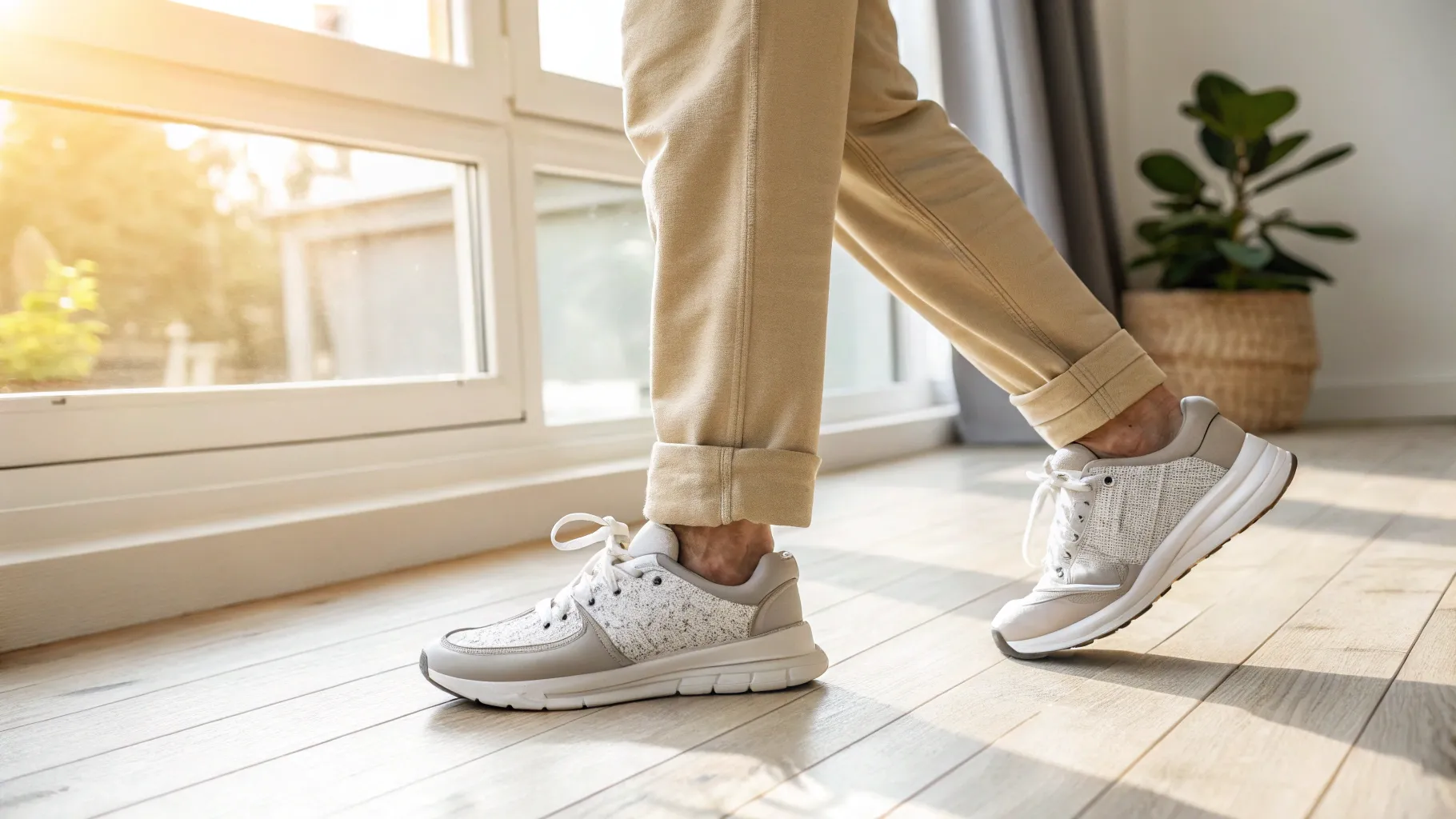
As we move through December 2025, ensuring the health and safety of our aging population remains a top priority. Among the various health concerns, balance issues in older adults stand out as a significant factor affecting independence and quality of life. Understanding the root causes and proactive solutions is crucial for mitigating risks and empowering seniors to maintain an active lifestyle. This guide delves into the complexities of senior stability concerns and offers practical advice for navigating these challenges.
Understanding Balance Changes: Why Seniors Face Stability Concerns
The human balance system is incredibly complex, relying on the brain, inner ear, eyes, and sensory nerves in the feet to work in harmony. As we age, natural changes can occur in each of these areas. For instance, the vestibular system in the inner ear, which governs our sense of spatial orientation, can become less effective. Vision may decline, and nerve endings in the feet might lose some sensitivity. This combination of factors contributes to the prevalence of senior stability concerns and underscores the importance of understanding balance changes as a normal part of aging.
Common Causes of Balance Difficulties in Seniors
While aging is a primary factor, several specific conditions and external influences can lead to balance difficulties in seniors. It's essential to identify these potential causes to address them properly.
Key Contributing Factors:
- Chronic Health Conditions: Issues like arthritis, heart disease, diabetes (which can cause neuropathy), and certain neurological disorders can directly impact stability.
- Medication Side Effects: Polypharmacy, the use of multiple medications, is common in older adults. Some drugs, including sedatives and blood pressure medications, can cause dizziness or drowsiness, leading to balance problems.
- Inner Ear Problems: Conditions such as benign paroxysmal positional vertigo (BPPV) can create a sudden, intense feeling of spinning, severely affecting balance.
- Vision Impairment: Cataracts, glaucoma, and macular degeneration reduce the visual cues needed to maintain orientation and stability.
Navigating Mobility Challenges and Preventing Falls
Addressing balance issues is fundamentally about preventing falls, which can lead to serious injury. Proactive steps can significantly reduce risk and manage ongoing mobility challenges. A multi-faceted approach involving lifestyle adjustments, targeted exercises, and home safety modifications is most effective.
Strategies for Improvement:
- Physical Activity: Engaging in exercises that focus on balance, strength, and flexibility is paramount. Activities like Tai Chi, yoga, and specific balance training routines can yield significant improvements.
- Home Safety Audit: Simple modifications can make a world of difference. This includes removing tripping hazards like rugs, improving lighting, installing grab bars in bathrooms, and ensuring stairways have handrails.
- Regular Health Check-ups: Annual eye exams, hearing tests, and medication reviews with a healthcare provider can help manage underlying causes of instability.
Recognizing the Signs and When to Seek Help
Early recognition of balance problems is key. Seniors or their caregivers should be alert to signs such as unsteadiness, dizziness, vertigo (a spinning sensation), or feeling as though they might fall. If these symptoms occur, it is crucial to consult a healthcare professional. A doctor can perform a comprehensive evaluation to pinpoint the cause of the balance issues in older adults and recommend a course of action, which may include physical therapy or a consultation with a specialist.
Empowering Seniors for a Stable Future
Living with balance issues doesn't mean a loss of independence. By fostering a better understanding of the causes and actively implementing preventive strategies, we can address balance difficulties in seniors effectively. The focus in 2025 continues to be on proactive care, creating safer living environments, and empowering older adults with the tools and knowledge they need to navigate their mobility challenges with confidence and maintain a high quality of life.
References:
https://www.nia.nih.gov/health/prevent-falls-and-fractures
https://www.mayoclinic.org/diseases-conditions/balance-problems/symptoms-causes/syc-20350474
https://www.cdc.gov/steadi/patient.html