Guide to Dentures for Seniors Benefits Types and Care
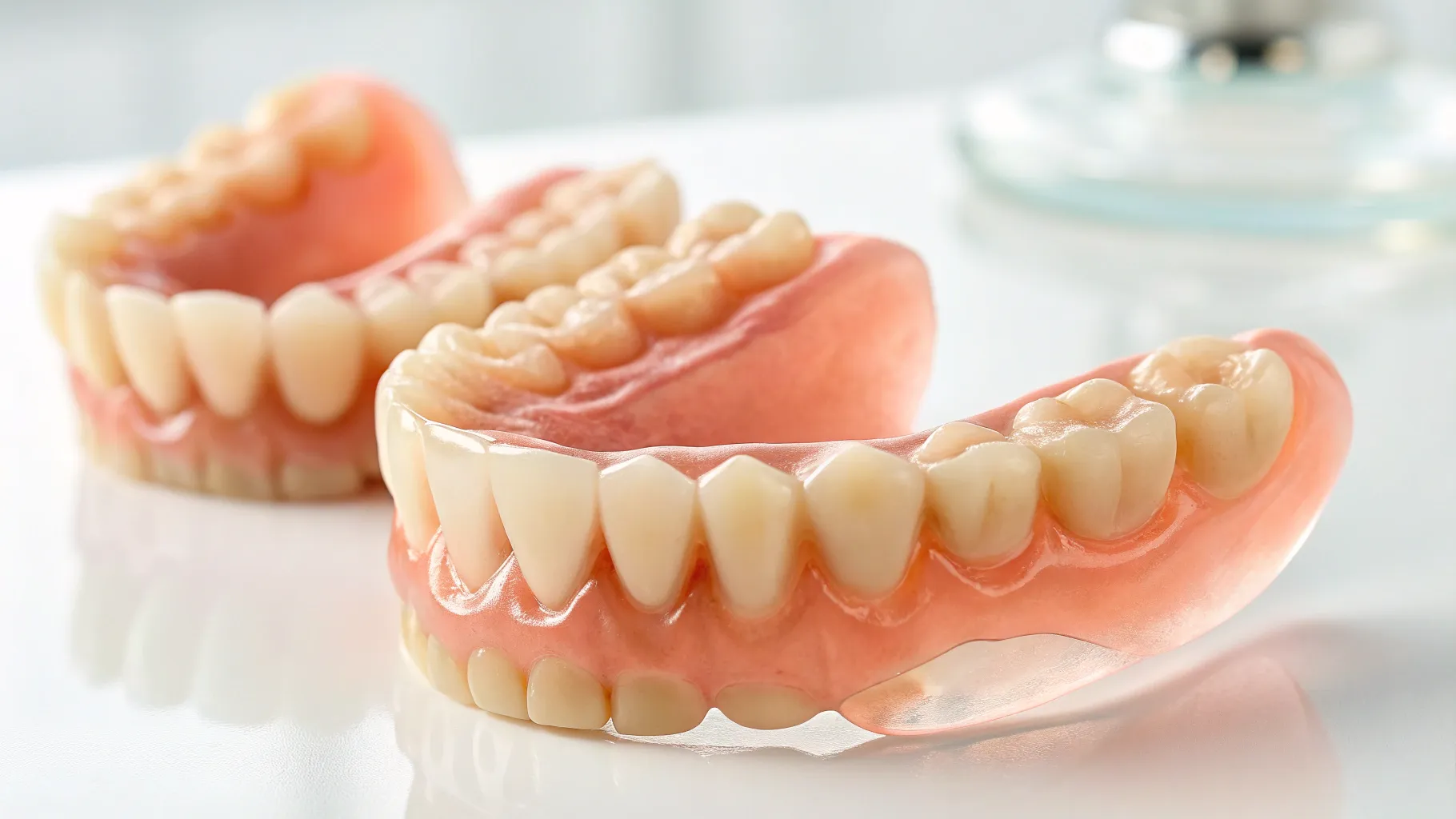
Dentures for Seniors An Overview
As we age, maintaining good oral health becomes increasingly critical, and for many seniors, dentures are a vital part of dental care. Statistics reveal that nearly 30% of adults aged 65 and older wear dentures, highlighting the significance of understanding the different types available and their care requirements. Whether tooth loss results from age effects, health issues, or accidents, dentures can greatly enhance an individual’s quality of life.
Understanding Different Types of Dentures for Seniors
Seniors facing tooth loss have several denture options tailored to their specific needs and conditions. Each type of denture serves a unique purpose, and making an informed decision requires consulting with a dental professional. Here are the primary categories:
- Complete Dentures: Complete dentures are a perfect fit for seniors missing all their upper or lower teeth. These custom-made prosthetics are designed to fit securely and comfortably in the mouth, providing an immediate solution for those dealing with total tooth loss.
- Partial Dentures: For seniors who still retain some natural teeth, partial dentures serve as an excellent alternative. They fill in the gaps left by missing teeth and help maintain the alignment of the remaining natural teeth.
- Implant-Supported Dentures: A revolutionary choice, implant-supported dentures are anchored by dental implants fused into the jawbone. This type not only provides enhanced stability and comfort but has also gained tremendous popularity among seniors due to their long-lasting benefits.
Advancements in dental technology have made it easier for seniors to find dentures that meet their lifestyle and oral health needs. Among these options, implant-supported dentures are increasingly preferred for their durability and comfort.
The Benefits of Dentures for Elderly Individuals
Adopting dentures carries numerous advantages, positively impacting the daily lives of seniors:
- Improved Functionality: Dentures restore essential functions, allowing seniors to enjoy a wide variety of foods once again and improving their speech clarity.
- Enhanced Aesthetics: Modern dentures are designed to closely resemble natural teeth, which can significantly boost a senior’s self-esteem and restore a youthful appearance.
- Oral Health Maintenance: They help maintain jaw structure and posture, preventing remaining teeth from shifting and ensuring better oral health overall.
- Improved Social Interaction: The confidence boost that comes with wearing dentures often leads to better social interactions, helping reduce feelings of isolation, which can be common among seniors.
Recent surveys indicate that approximately 75% of seniors report significant improvements in their quality of life post-denture fitting, reinforcing the positive cognitive and emotional aspects of dental restoration.
Effective Care for Dentures in Seniors
Maintaining dentures is essential for their longevity and the oral health of seniors. Proper cleaning and care not only extend the life of the dentures but can also protect the mouth from infections and irritation. Here are vital tips for effective denture care:
- Daily Cleaning: Just like natural teeth, dentures need daily cleaning. Seniors should use a soft-bristled toothbrush and a mild detergent or specialized denture cleaner to eliminate food particles and prevent plaque buildup.
- Soak Overnight: Dentures should be soaked in a denture cleaning solution overnight to keep them hydrated and to avoid warping which can occur from dryness.
- Avoid Heat: It's crucial to avoid using hot water to clean dentures, as extreme heat can permanently damage their shape. Lukewarm water is recommended.
- Regular Dental Check-ups: Even with the presence of dentures, routine dental visits remain essential. Dentists can assess the fit, make necessary adjustments, and check for gum health.
Adhering to these care practices not only promotes denture longevity but aids in sustaining overall oral hygiene crucial for seniors’ health.
Understanding Cost Considerations for Senior Dentures
The financial aspect of acquiring dentures can vary widely based on the type selected and individual needs. Basic complete dentures typically start at around $1,000, while the costs for implant-supported dentures can exceed $30,000. Fortunately, many dental insurance plans cater to these expenses, providing coverage that can alleviate some of the financial burden.
In recent months, there has been a significant improvement in dental coverage for seniors, with many insurance policies now offering more extensive options related to denture care. Seniors are encouraged to assess their insurance options thoroughly and discuss possible financing or payment plans with their dentist to ensure a manageable approach to their dental health.
The Importance of Choosing the Right Dentures
Selecting the appropriate dentures is crucial for comfort, usability, and overall satisfaction. Seniors should carefully consider factors like lifestyle, finances, and oral health status before making choices. Collaborating with a dental professional is vital during this selection process, as they provide valuable insights and recommendations tailored to the individual's health requirements and desires.
Today, advancements in dental technology and the variety of options available have empowered seniors with more resources than ever for enhancing their dental care. From traditional dentures to the modern solution of implants, restoring a smile is entirely feasible. Overcoming previous inhibitions and embracing these innovations can lead to a healthier, more fulfilling life.