Grocery Tips for Eating Well on a Budget: Your Guide to Save Money on Groceries
Facts:
- The average family can waste up to 25% of the food they buy.
- A popular trend for healthy eating on a budget is batch cooking on weekends.
Mastering the Supermarket: Your Ultimate Guide to Healthy Eating on a Budget
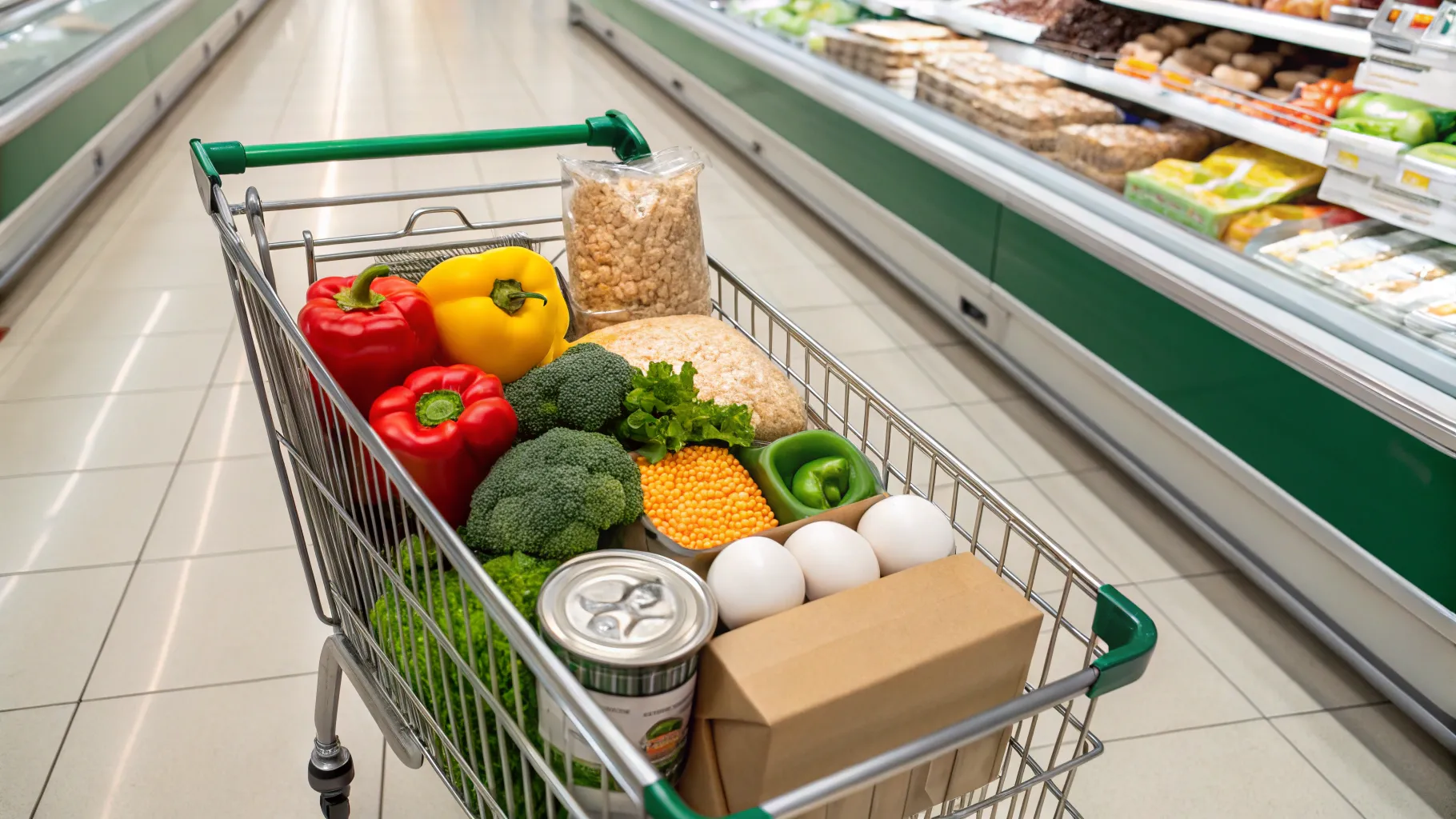
Navigating the grocery store can feel like a battle between your health goals and your wallet. Many believe that eating nutritious food is inherently expensive, but that's a common misconception. With the right strategies, you can absolutely achieve healthy eating on a budget. This guide is designed to provide you with actionable cheap grocery tips that will empower you to fill your cart with wholesome foods, master low cost meal planning, and ultimately save money on groceries without sacrificing quality or flavor. It's time to take control of your food spending and nourish your body effectively.
The Foundation: Strategic Low Cost Meal Planning
The single most effective way to save money on groceries is to never walk into a store without a plan. Impulsive purchases are the enemy of a tight budget. Effective low cost meal planning involves sitting down once a week and mapping out your breakfasts, lunches, and dinners. Start by 'shopping' your own pantry, fridge, and freezer. What ingredients do you already have? Build your meals around those items first. Next, consult weekly store flyers for sales and promotions. If chicken breast is on sale, plan a few chicken-based meals. This approach ensures every item you buy has a purpose, drastically reducing food waste and preventing last-minute, expensive takeout orders. From your meal plan, you can then construct a highly detailed budget grocery list.
Building Your Perfect Budget Grocery List
A well-crafted budget grocery list is your roadmap to savings. Instead of listing specific meals, organize your list by store section (produce, dairy, pantry, etc.) to streamline your shopping trip and avoid backtracking, which can lead to impulse buys. Focus on nutrient-dense, low-cost staples. This includes items like oats, brown rice, whole-wheat pasta, beans, lentils, and seasonal fruits and vegetables. For protein, consider eggs, canned tuna, and cheaper cuts of meat. A key part of healthy eating on a budget is flexibility; if red bell peppers are expensive this week but carrots are cheap, be willing to make a swap. This list is the core of your strategy to save money on groceries.
In-Store Tactics: Smart Shopping Strategies
Once you have your plan, executing it smartly inside the store is crucial. These are the cheap grocery tips that make a real difference at the checkout counter. Don't be afraid to look high and low on the shelves; the most expensive, name-brand items are often placed at eye level. Generic or store brands are usually just as good for a fraction of the price. Always compare unit prices to understand the true cost of an item. Buying in bulk can be a great way to save money on groceries, but only for non-perishable items you use frequently. Finally, avoid shopping when you're hungry, as this is a well-known trigger for impulse purchases that are not on your list.
Beyond the List: Reducing Food Waste
A significant portion of your grocery budget is lost to food that goes uneaten. Mastering healthy eating on a budget means using everything you buy. Implement a 'first in, first out' system in your fridge to ensure older items get used first. Learn to love your freezer; it's perfect for preserving leftovers, bread, and produce that's about to turn. Get creative with scraps! Vegetable peels and ends can be used to make a flavorful homemade stock. Stale bread can become croutons or breadcrumbs. Every item you save from the compost bin is money back in your pocket and a win for your low cost meal planning efforts.
Comparing Food Costs: Fresh vs. Frozen vs. Canned
A common dilemma when creating a budget grocery list is choosing between fresh, frozen, and canned goods. There's a misconception that 'fresh is always best,' but that's not necessarily true from a budget or nutritional standpoint. Frozen fruits and vegetables are flash-frozen at peak ripeness, locking in nutrients, and are often cheaper than their fresh counterparts, especially when a fruit is out of season. Canned goods, particularly beans, tomatoes, and fish, are incredibly affordable and have a long shelf life, making them cornerstones of low cost meal planning. The key is to read labels; opt for frozen produce without added sauces and canned items packed in water or their own juice with no added salt or sugar.
Frequently Asked Questions
What are the most effective cheap grocery tips for a beginner?
For beginners, the three most impactful cheap grocery tips are: always shop with a detailed list based on a meal plan, never shop hungry, and prioritize buying store-brand products over name brands. These simple habits create a strong foundation for saving money.
How can I create a weekly budget grocery list that is also healthy?
To create a healthy budget grocery list, focus on whole foods. Your list should be heavy on vegetables, fruits, whole grains (like oats and brown rice), and lean proteins (like beans, lentils, eggs, and chicken). Limit processed foods, sugary drinks, and pre-packaged snacks, which offer low nutritional value for a high cost.
Is low cost meal planning very time-consuming?
While low cost meal planning requires an initial time investment of about 30-60 minutes per week, it saves you significant time and mental energy throughout the week. You'll eliminate the daily stress of deciding what to make for dinner and make fewer trips to the store for forgotten items.
References
- The Economic Research Service (ERS) of the U.S. Department of Agriculture
- Journal of Nutrition Education and Behavior
- Consumer Expenditure Surveys - Bureau of Labor Statistics