Unlock Value: Navigating Government Auction Cars for Purchase
Facts:
- U.S. government agencies regularly sell off their used fleets.
- Demand for used government cars is rising for budget-conscious buyers.
Exploring the Untapped Market of Government Auction Cars for Purchase
For those seeking incredible value in the automotive market, delving into the world of government auction cars for purchase presents a unique and often overlooked opportunity. These vehicles, ranging from sedans to heavy-duty trucks, are sold by various government agencies, offering a chance to acquire well-maintained or specialty government surplus vehicles at highly competitive prices. Understanding the process and where to look is key to securing a great deal on a dependable vehicle.
Types of Government Auction Cars Available
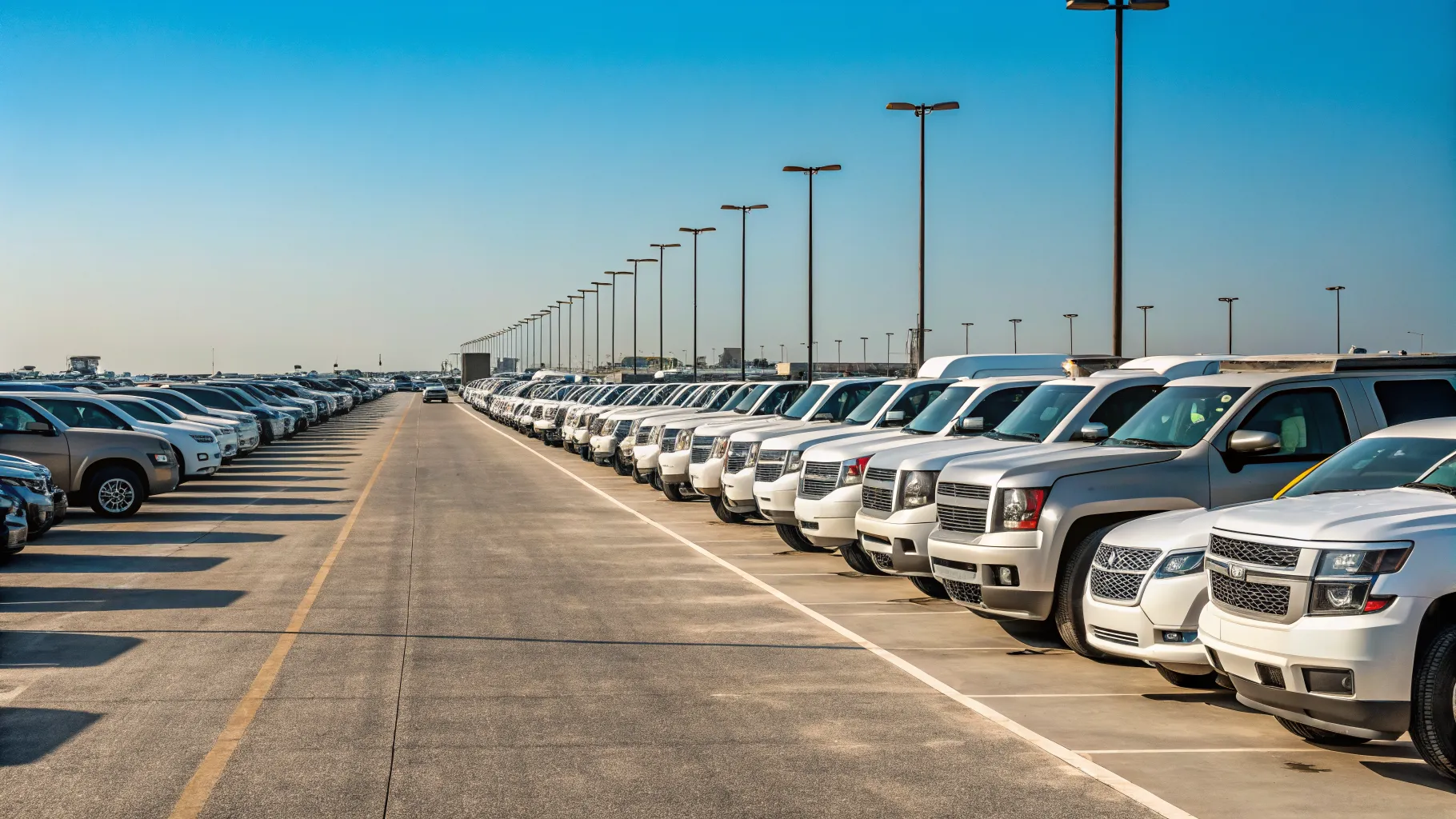
The variety of government auction cars for purchase is extensive, reflecting the diverse needs of federal, state, and local agencies. You can find everything from standard sedans and SUVs previously used by administrative departments to specialized utility vehicles, law enforcement interceptors, and even heavy equipment. These used government cars often come with detailed maintenance records, a significant advantage over many private sales. Agencies like the General Services Administration (GSA) and various police departments regularly liquidate their fleets, ensuring a consistent supply. Understanding the typical lifecycle of these vehicles can help buyers anticipate what models might become available and in what condition.
Where to Find Federal Car Auctions and Other Public Sales
Locating federal car auctions requires knowing the right platforms. The primary federal resource is GSA Auctions, which lists items from various U.S. government agencies. Beyond federal sources, state and local governments, including police departments and municipalities, conduct their own public auto auctions. Websites like GovDeals and PropertyRoom are also excellent aggregators for finding state and local government sales, often including seized vehicle sales from law enforcement operations. Each platform has its own registration requirements and bidding procedures, so thorough research before participating is essential. Many of these auctions are now held online, making them accessible to a broader audience.
The Benefits and Challenges of Buying Seized Vehicle Sales
Participating in seized vehicle sales or buying government surplus vehicles offers several compelling benefits. Firstly, the prices are often significantly lower than retail, allowing buyers to acquire more vehicle for their budget. Secondly, many of these cars have been regularly serviced, benefiting from strict government maintenance schedules. However, challenges exist. Vehicles are typically sold "as-is, where-is," meaning no warranties or guarantees. Buyers must conduct their own inspections or hire a third party to assess the vehicle's condition. Furthermore, the bidding process can be competitive, especially for popular models, and potential buyers must factor in transportation costs and any necessary repairs after purchase. It's a balance of high reward and careful risk management.
Understanding the Auction Process for Public Auto Auctions
Navigating public auto auctions effectively requires understanding their specific procedures. Most federal car auctions and local sales involve an online bidding system, though some may offer in-person previews. Registration is a prerequisite, often requiring a deposit or credit card verification. Before bidding, it's crucial to review the auction terms and conditions, inspection policies, and payment methods. Buyers should set a maximum bid based on their budget and the vehicle's estimated value, factoring in potential repair costs. Post-auction, prompt payment is usually required, and arrangements for vehicle pickup must be made within a specified timeframe. Failure to adhere to these rules can result in penalties or forfeiture of the vehicle.
Strategic Comparison: Government vs. Traditional Used Car Markets
When considering government auction cars for purchase versus traditional used car markets, several distinct differences emerge. The used government cars market generally offers lower starting prices due to the government's objective of liquidation rather than profit maximization. This contrasts sharply with dealerships that aim for higher margins. Additionally, government vehicles often have comprehensive service histories, a transparency rarely found in private sales unless extensively documented by the seller. However, traditional markets provide consumer protections like warranties (even if limited) and the ability to test drive multiple vehicles before purchase. Government auctions, while offering deep discounts, demand a more informed and proactive buyer willing to accept "as-is" conditions and conduct thorough pre-purchase due diligence. Therefore, while federal car auctions offer unparalleled value, they require a different approach to due diligence than buying from a traditional dealer.
Insider Tips for Securing a Great Deal on Government Surplus Vehicles
Thorough Pre-Auction Research:
Before any public auto auctions, investigate the vehicle's history using its VIN. Look for maintenance records provided by the government agency, if available, and research common issues for that specific make and model. This proactive approach helps in setting realistic expectations and a competitive bidding limit for government auction cars for purchase.
On-Site Inspection is Crucial:
Whenever possible, attend the vehicle's physical inspection period. Visually examine the exterior for body damage, rust, and tire wear. Check the interior for signs of excessive wear and tear. If permitted, start the engine to listen for unusual noises, and verify dashboard warning lights. Bring a mechanic if you're not confident in your own inspection abilities, especially for seized vehicle sales.
Understand Auction Rules and Fees:
Each platform, whether federal car auctions or local ones, has specific rules regarding registration, bidding increments, buyer's premiums, and payment deadlines. Ensure you fully comprehend these to avoid unexpected costs or disqualification. Factor in any applicable taxes or administrative fees into your maximum bid when considering used government cars.
Set a Strict Budget:
Determine your absolute maximum bid before the auction begins and stick to it. It's easy to get caught up in the competitive bidding environment, but overpaying negates the primary benefit of buying government surplus vehicles. Remember to account for potential repairs, registration, and transportation costs in your overall budget.
Be Patient and Persistent:
You might not win the first public auto auctions you participate in. The market for government auction cars for purchase can be competitive. Persistence and a willingness to wait for the right vehicle at the right price will eventually pay off, leading to a satisfying purchase.
Frequently Asked Questions
Are government auction cars reliable?
Many government auction cars for purchase are surprisingly reliable due to strict maintenance schedules imposed by government agencies. However, they are sold "as-is," so thorough inspection is crucial to ensure reliability. While used government cars may have higher mileage, their consistent servicing often makes them a sound investment.
How do I pay for a federal car auction vehicle?
Payment methods for federal car auctions vary but typically include wire transfers, credit cards (for smaller amounts), or certified checks. Full payment is usually required within a few business days after the auction closes. It's important to confirm the accepted payment methods with the specific auction house or platform before bidding for government surplus vehicles.
Can anyone buy from public auto auctions?
Yes, public auto auctions are generally open to the public. You typically need to register an account, provide identification, and agree to the auction's terms and conditions. Some seized vehicle sales might have specific buyer requirements, so always check the individual auction's rules.
What is the typical condition of seized vehicle sales?
The condition of seized vehicle sales can vary widely, from excellent to poor. Some vehicles may have minor cosmetic damage, while others could require significant repairs. This is why a thorough pre-purchase inspection is paramount when considering government auction cars for purchase from these sources.
Is it worth buying a used government car?
For many buyers, acquiring a used government car can be very much worth it due to the potential for significant savings and often documented maintenance history. If you are prepared to do your due diligence, understand the "as-is" nature, and possibly undertake minor repairs, the value proposition of government auction cars for purchase is compelling.
References
- General Services Administration (GSA) Auctions Official Website
- Online Auction Platforms for Government Surplus
- Publications on Government Vehicle Procurement and Disposal
- Industry Reports on Public Sector Fleet Management