Understanding Vitamins That Help Lower Cholesterol Levels
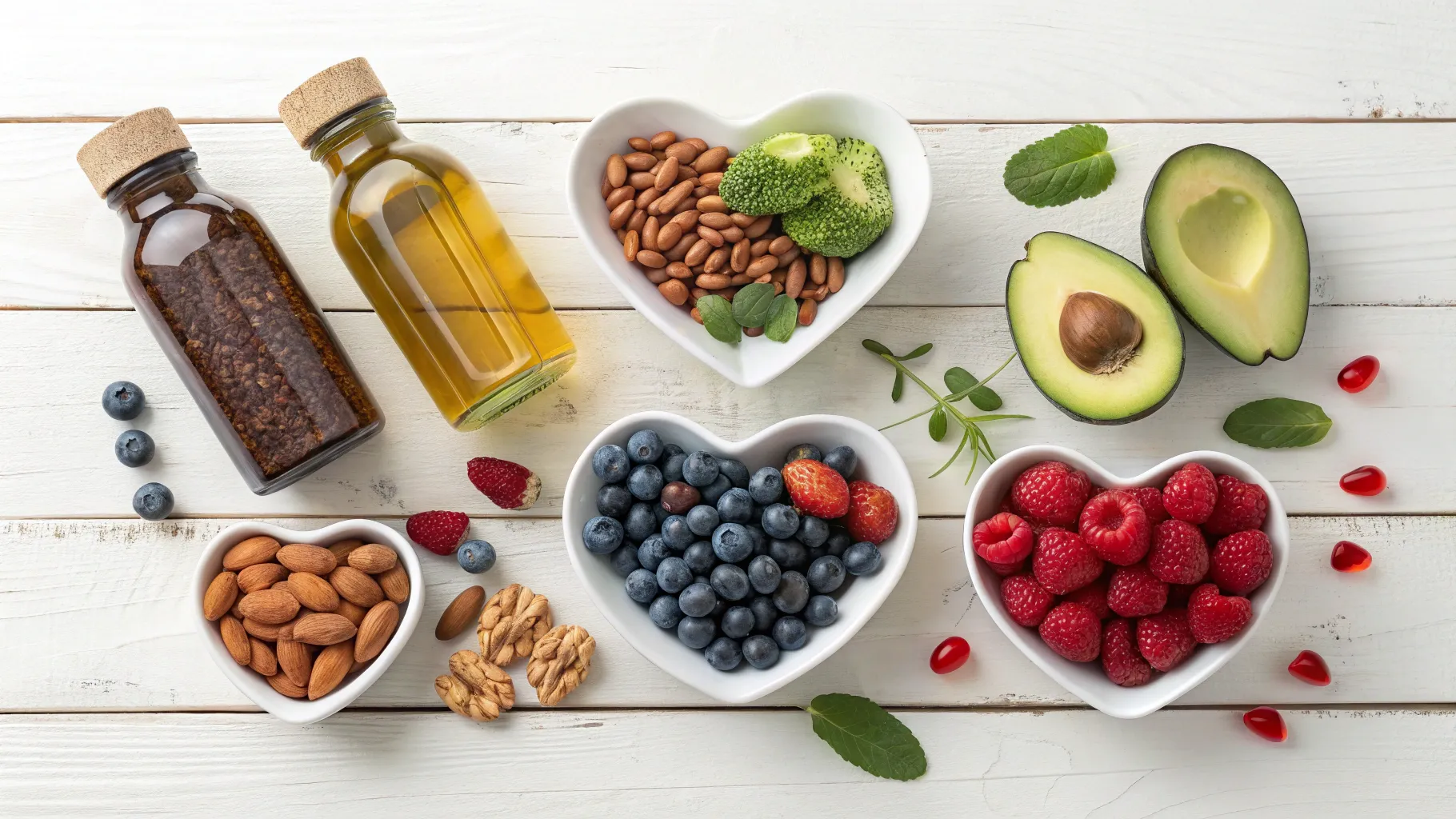
As of December 2025, maintaining optimal cholesterol levels remains a cornerstone of cardiovascular health. Many individuals are exploring various strategies for cholesterol management, and among these, understanding vitamins to lower cholesterol has become a prominent area of interest. This article delves into how certain vitamins and natural compounds can offer valuable vitamins for cholesterol support, contributing to a healthier heart.
The Role of Nutrition in Cholesterol Management
While lifestyle changes like diet and exercise are paramount, specific nutrients that may help with cholesterol can complement these efforts. It's crucial to remember that supplements should not replace prescribed medications but can be part of a comprehensive plan, always discussed with a healthcare provider.
Omega-3 Fatty Acids: Beyond the Basics
Omega-3 fatty acids, primarily EPA and DHA found in fatty fish and certain supplements, are well-regarded for their cardiovascular benefits. They are particularly effective in lowering triglyceride levels, a type of fat in the blood often associated with high cholesterol. While not directly lowering LDL (bad cholesterol) in all cases, their overall heart-protective effects make them a key consideration for supplements for cholesterol health.
- Sources: Salmon, mackerel, sardines, flaxseeds, chia seeds, and fish oil supplements.
- Mechanism: Reduce triglyceride production in the liver and may improve artery function.
Niacin (Vitamin B3): A Powerful Ally with Caveats
Niacin, or Vitamin B3, has a long-standing history in cholesterol management. It is one of the few B vitamins that can significantly impact cholesterol levels, specifically by lowering LDL cholesterol and triglycerides while raising HDL (good cholesterol). However, high doses of niacin can cause side effects, such as flushing, and should only be taken under strict medical supervision. It is a powerful example of natural cholesterol support vitamins when used appropriately.
- Forms: Available as immediate-release, sustained-release, and extended-release. Extended-release formulations often have fewer side effects but still require medical guidance.
- Considerations: Not suitable for everyone and can interact with other medications.
Plant Sterols and Stanols: Natural Blockers
Found naturally in plant foods, plant sterols and stanols are compounds that structurally resemble cholesterol. When consumed, they compete with cholesterol for absorption in the digestive tract, thereby reducing the amount of dietary cholesterol absorbed into the bloodstream. This makes them excellent nutrients that may help with cholesterol levels, particularly LDL cholesterol.
- Sources: Fortified foods like margarine, yogurt, and orange juice; smaller amounts in nuts, seeds, and vegetable oils.
- Recommendation: Consuming 2 grams daily can significantly lower LDL cholesterol.
Soluble Fiber: The Digestive Superstar
Soluble fiber, a type of dietary fiber, dissolves in water to form a gel-like substance in the digestive tract. This gel can bind to cholesterol and bile acids, preventing their absorption and carrying them out of the body. Including soluble fiber is a fundamental part of understanding vitamins to lower cholesterol through diet.
- Sources: Oats, barley, apples, citrus fruits, beans, lentils, and psyllium husks.
- Benefits: Also aids in digestion and blood sugar control.
Other Supplements for Cholesterol Health
Beyond the primary vitamins, several other supplements for cholesterol health are often discussed:
Berberine
An alkaloid found in various plants, berberine has shown promise in reducing LDL cholesterol and triglycerides, and can also help with blood sugar regulation. More research is ongoing, but it's gaining recognition as a potential natural support.
Artichoke Leaf Extract
Some studies suggest that artichoke leaf extract can help reduce total and LDL cholesterol. It's thought to work by inhibiting cholesterol synthesis and increasing bile production.
Policosanol
Derived from sugarcane wax, policosanol has been marketed for cholesterol reduction, though research findings have been mixed and often limited. It's important to approach such supplements with cautious optimism.
Integrating Natural Cholesterol Support Vitamins with Lifestyle
While these natural cholesterol support vitamins and supplements can be beneficial, they are most effective when integrated into a healthy lifestyle. A balanced diet rich in fruits, vegetables, whole grains, and lean proteins, coupled with regular physical activity and maintaining a healthy weight, forms the bedrock of cholesterol management. Regular check-ups with your doctor are essential to monitor your cholesterol levels and discuss the most appropriate strategies for your individual needs as of late 2025.
Conclusion: A Holistic Approach to Heart Health
The journey to optimal heart health often involves a multi-faceted approach. By understanding vitamins to lower cholesterol and incorporating specific nutrients that may help with cholesterol, individuals can take proactive steps. Always consult with a healthcare professional before starting any new supplement regimen to ensure it is safe and appropriate for your health profile.