Understanding Weak Pelvic Floor Signs and Strengthening Tips
Understanding Weak Pelvic Floor Muscles in 2025
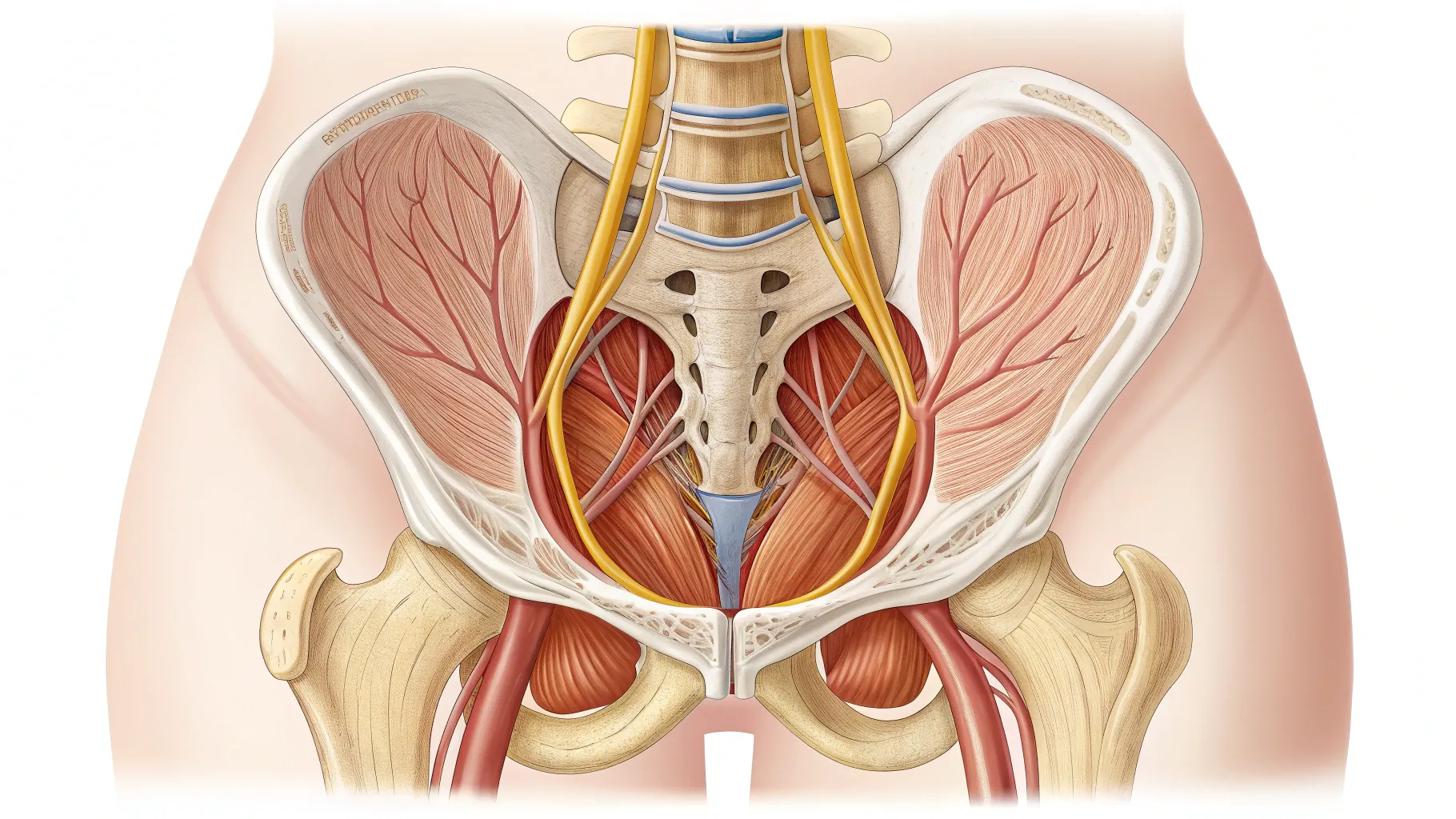
The pelvic floor supports important organs including the bladder, uterus, and rectum. When these muscles weaken, it can cause various physical health issues and impact daily life. Common causes of pelvic floor weakness include aging, childbirth, obesity, and lifestyle factors like heavy lifting. Understanding the causes and symptoms of a weak pelvic floor is important for recognizing the condition and learning appropriate ways to improve muscle strength in 2025’s health context.
Identifying a Weak Pelvic Floor
Recognizing the signs of a weak pelvic floor is the first step towards making improvements. Here are some common symptoms that individuals might experience:
- Urinary Incontinence: This includes leaking urine involuntarily during activities like coughing, sneezing, or physical exercise.
- Pelvic Pain: Discomfort or a dull ache in the pelvic region can often be attributed to weakened muscles.
- Difficulty with Bladder or Bowel Control: Challenges in managing the urge to urinate or enduring constipation can indicate poor pelvic muscle strength.
- Heaviness in the Pelvic Area: Many report sensations of pressure or heaviness, potentially signaling pelvic organ prolapse.
- Pregnancy-Related Changes: Increased pelvic discomfort or incontinence can arise during pregnancy due to hormonal shifts and increased body weight.
With over 30% of women experiencing some form of pelvic floor dysfunction during their lives, awareness is crucial for early intervention.
Causes of Weak Pelvic Floor Muscles
Understanding the factors that lead to pelvic floor weakness is essential for both prevention and treatment. Many influences can push these supportive muscles to their limits:
- Aging: Natural muscle tone diminishes with age, including that of the pelvic floor.
- Childbirth: The strain and hormonal changes from pregnancy and delivery can significantly impact pelvic muscle strength. In fact, a recent study observed that around 80% of women face some degree of pelvic floor issues after giving birth.
- Obesity: Extra body weight places undue stress on the pelvic floor, which can result in gradual weakness.
- Chronic Coughing or Sneezing: Persistent conditions such as asthma or allergies can repeatedly stress these muscles and contribute to their decline.
- Heavy Lifting: Lifting heavy objects incorrectly can lead to strain on the pelvic muscles, making them more prone to weakness over time.
Pelvic Floor Exercises and Their Benefits for Women
Incorporating specific exercises into your daily routine can greatly improve pelvic floor muscle strength and alleviate associated symptoms. Here are some effective movements:
- Kegel Exercises: One of the most popular and recommended exercises, Kegels involve tightening and relaxing the pelvic floor muscles. Begin by locating the right muscles (those you would use to prevent urination). Contract these muscles for 5 seconds, then relax for 5 seconds. Over time, aim to extend the contraction to 10 seconds, repeating this 10-15 times daily.
- Bridge Exercise: Bridges not only strengthen pelvic floor muscles but also engage the glutes and lower back. To perform a bridge, lie on your back with knees bent and feet flat on the floor. Raise your hips towards the ceiling, engaging your pelvic floor, then lower back down slowly. Aim for 10-15 repetitions.
- Squats: Squats are effective for enhancing overall strength while also concentrating on the pelvic area. Stand with your feet shoulder-width apart and squat down as if you're lowering yourself into a chair. Ensure that your knees stay behind your toes, then rise back up. This can be repeated for 10-15 reps.
Consistency is vital; integrating these exercises into your daily regimen can lead to significant improvements over time. A review of recent data from 2024 showed that regular practice of these exercises not only enhanced muscle tone but also improved emotional well-being among participants.
Natural Ways to Strengthen Pelvic Muscles
Strengthening your pelvic muscles goes beyond just exercises. Here are several natural strategies to boost muscle health:
- Balanced Nutrition: Consuming a diet rich in fruits, vegetables, and whole grains is crucial for overall muscle health. Staying hydrated is equally important, as good hydration supports muscle elasticity and function.
- Yoga and Pilates: These practices are renowned for engaging the pelvic floor through various poses that improve strength and flexibility. Specific poses like Bridge and Cobra not only target pelvic muscles but also enhance overall posture and core strength.
- Weight Management: Maintaining a healthy weight minimizes excessive pressure on the pelvic area, fostering better muscle function. Regular exercise combined with careful dietary choices can dramatically help in this regard.
- Breath Control Techniques: Mastering breath control can also positively affect pelvic floor muscle engagement. Techniques like diaphragmatic breathing can enhance your ability to activate these muscles during physical activity.
A 2023 study found that women who engaged in holistic practices, such as yoga and mindfulness, demonstrated significant improvements in the function of their pelvic floor muscles. This underscores the importance of approaching pelvic health from a comprehensive perspective in today’s health-focused society.
Understanding weak pelvic floor muscles has never been more essential. Awareness of the signs, causes, and effective strategies empowers individuals to take proactive steps toward improving pelvic health. Whether through specific exercises, nutritional adjustments, or mindfulness practices, achieving a stronger pelvic floor is possible and within reach for many. Take charge of your pelvic health and embrace a more active and fulfilling life today!