How to Recognize the Early Signs Linked to Amyloidosis
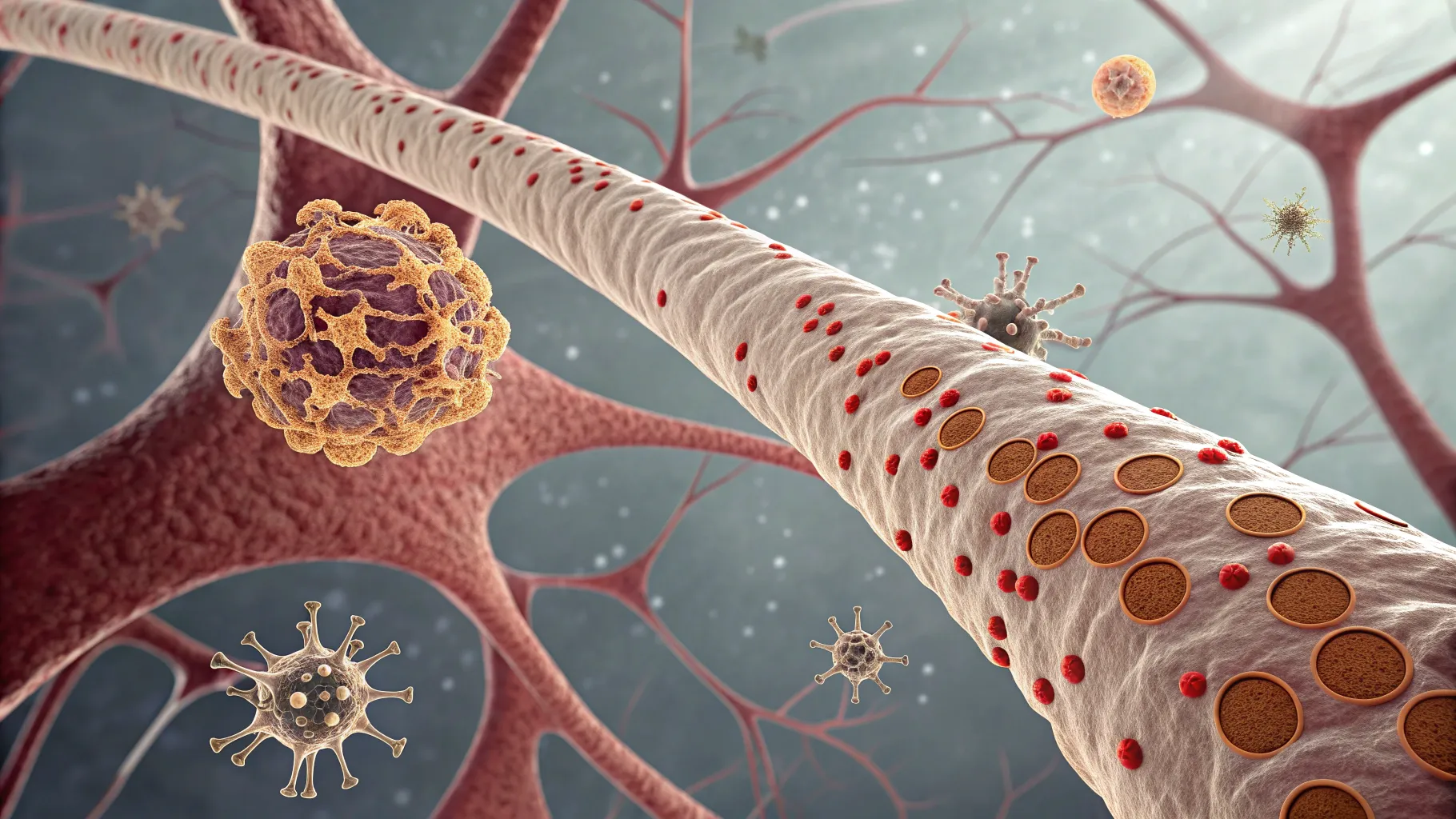
Amyloidosis is a rare, serious condition caused by the buildup of an abnormal protein called amyloid in organs and tissues throughout the body. These amyloid deposits can interfere with the normal function of vital organs, leading to a range of challenging health issues. Recognizing the early symptoms of amyloidosis is crucial for timely diagnosis and management, significantly impacting prognosis. This article serves as an informative guide to early indicators of amyloidosis, helping you understand the subtle yet significant changes to look out for in December 2025.
What is Amyloidosis? An Overview
Amyloidosis isn't a single disease but rather a group of conditions characterized by the accumulation of misfolded proteins. These proteins clump together to form amyloid fibrils, which deposit in various organs, including the heart, kidneys, liver, spleen, nervous system, and digestive tract. The specific type of amyloid protein and the organs affected determine the symptoms and the course of the disease. Early detection, often by recognizing amyloidosis early stage symptoms, is key to managing its progression effectively.
General Early Symptoms of Amyloidosis to Watch For
Because amyloidosis can affect almost any organ, its early signs of amyloidosis can be varied and non-specific, often mimicking symptoms of more common conditions. This makes diagnosis challenging but highlights the importance of vigilance. Some general warning signs that might indicate amyloidosis include:
- Unexplained Fatigue: Persistent and overwhelming tiredness not relieved by rest.
- Weight Loss: Significant and unintentional weight loss.
- Swelling (Edema): Swelling in the ankles, legs, or abdomen due to fluid retention.
- Shortness of Breath: Difficulty breathing, especially during exertion.
- Skin Changes: Easy bruising, purpura (small red or purple spots), or thickening of the skin.
- Enlarged Tongue (Macroglossia): A noticeably larger tongue, sometimes with indentations from teeth, which can be an important amyloidosis warning sign.
System-Specific Early Indicators of Amyloidosis
As amyloid deposits accumulate, more specific organ-related symptoms emerge. Here’s an overview of early indicators of amyloidosis based on affected systems:
Cardiac Amyloidosis: The Heart
When amyloid affects the heart, it can stiffen the heart muscle, making it harder for the heart to pump blood. Early symptoms of amyloidosis affecting the heart include:
- Progressive shortness of breath, even at rest.
- Swelling in the legs and abdomen.
- Irregular heart rhythms (arrhythmias).
- Fainting spells or lightheadedness.
Renal Amyloidosis: The Kidneys
Kidney involvement is common, and amyloidosis early stage symptoms related to kidney damage often involve:
- Protein in the urine (proteinuria), leading to foamy urine.
- Significant swelling in the legs, ankles, and around the eyes (periorbital edema).
- Eventually, kidney failure, though this is a later stage.
Neuropathic Amyloidosis: The Nerves
Peripheral and autonomic nerves can also be affected, leading to amyloidosis warning signs such as:
- Numbness, tingling, or pain in the hands and feet (peripheral neuropathy).
- Carpal tunnel syndrome, sometimes bilateral.
- Dizziness upon standing (orthostatic hypotension).
- Bowel changes (diarrhea or constipation).
- Sexual dysfunction.
Gastrointestinal Amyloidosis: The Digestive System
Amyloid deposits in the digestive tract can cause:
- Nausea, vomiting, and early satiety.
- Diarrhea or constipation.
- Difficulty swallowing.
- Malabsorption, leading to weight loss despite adequate food intake.
When to Seek Medical Attention: Recognizing Amyloidosis Warning Signs
Given the non-specific nature of many early symptoms of amyloidosis, it's vital to consult a healthcare professional if you experience a combination of persistent or worsening symptoms, especially those listed above. Don't dismiss new or unusual symptoms as merely signs of aging or stress. Bringing these concerns to your doctor is the first step in understanding early signs of amyloidosis and getting appropriate medical evaluation. Your doctor may refer you to specialists such as a hematologist, cardiologist, or nephrologist for further investigation.
Diagnosis and the Importance of Early Recognition
Diagnosing amyloidosis typically involves tissue biopsy, where a small sample of tissue (from an affected organ or less invasively from fat, bone marrow, or rectum) is examined for amyloid deposits. Blood and urine tests, imaging studies (like echocardiograms or MRI), and genetic testing may also be performed to determine the type and extent of the disease. Early diagnosis, facilitated by an awareness of amyloidosis early stage symptoms and other warning signs, is critical. Treatments, including chemotherapy, immunotherapy, and supportive care, are most effective when started early, before significant organ damage occurs. This informative guide to early indicators of amyloidosis underscores the profound impact of timely intervention.