Understanding and Strengthening Your Pelvic Floor
🗣️ Fast Facts:
- A weak pelvic floor affects millions, often leading to issues like incontinence and prolapse, but it's highly treatable.
- Studies indicate that up to 50% of women over 50 experience some form of pelvic floor dysfunction.
- Consistent daily pelvic floor exercises can significantly improve muscle strength and reduce symptoms within weeks.
How the Pelvic Floor Supports Movement and Stability
A healthy pelvic floor supports the bladder, bowel, and uterus (in women) and plays an important role in core stability and sexual function. When these muscles weaken, a range of physical symptoms may occur. Understanding the signs and learning about available management approaches can support long-term pelvic health and daily function.
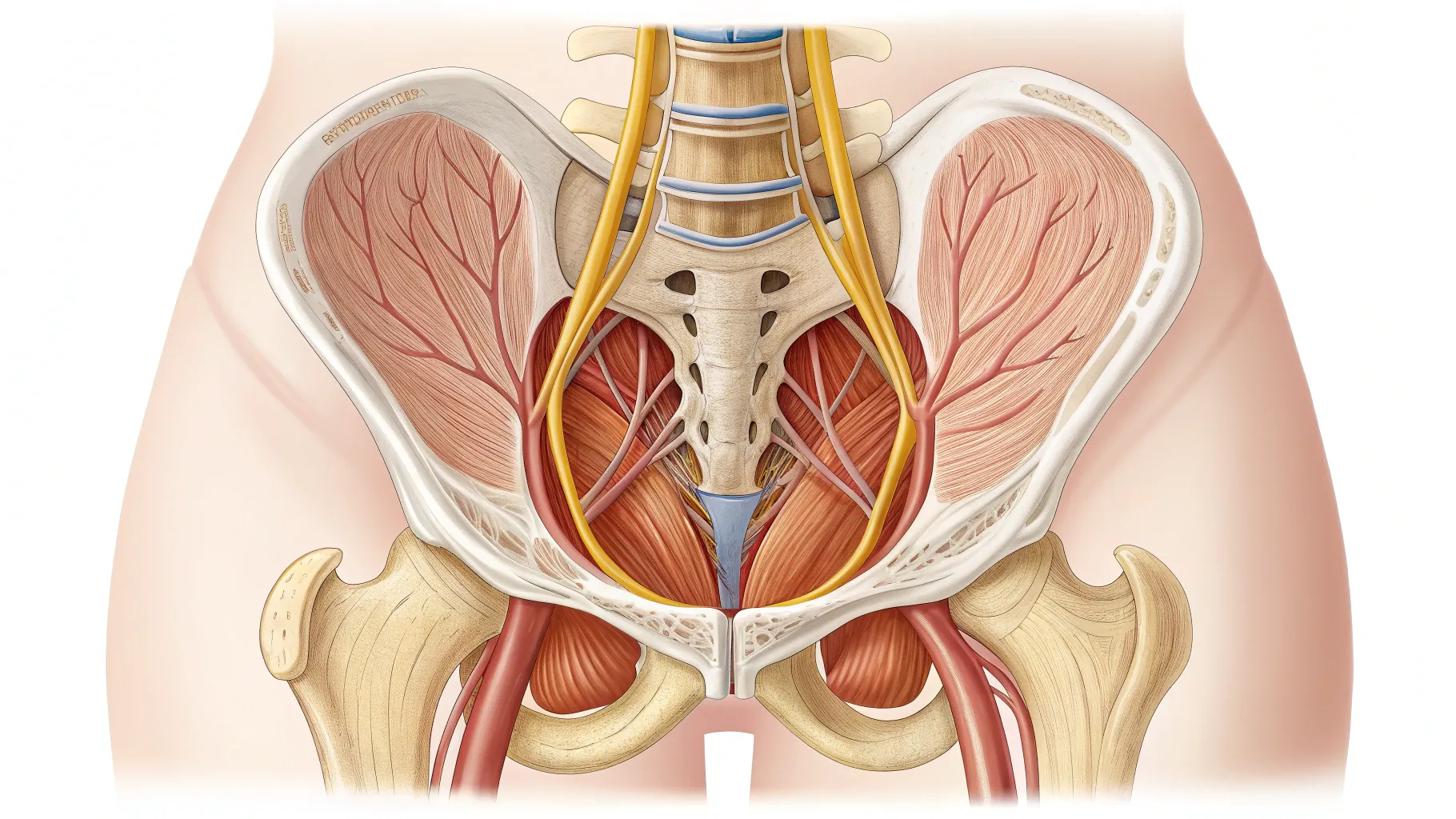
Understanding the root causes of a weakened pelvic floor is essential for effective intervention. Here are common factors:
- Childbirth: Vaginal delivery is a primary cause, stretching and weakening pelvic floor muscles and connective tissues. Multiple births or large babies increase the risk.
- Aging: As we age, muscle mass and elasticity naturally decrease throughout the body, including the pelvic floor, leading to a loss of support.
- Obesity: Excess weight puts chronic downward pressure on the pelvic floor, gradually stretching and weakening the muscles and ligaments over time.
- Chronic Coughing or Straining: Conditions like chronic bronchitis, asthma, or persistent constipation involve repeated straining, which can exert significant pressure on the pelvic floor.
- High-Impact Exercise: Certain high-impact sports or activities can place excessive stress on the pelvic floor, potentially contributing to weakening if not properly managed.
- Hormonal Changes: Menopause, with its associated drop in estrogen, can thin and weaken pelvic tissues, reducing their supportive capacity.
- Previous Surgery: Pelvic surgeries, such as hysterectomy, can sometimes damage or disrupt the integrity of the pelvic floor muscles and nerves.
- Genetics: Some individuals may be genetically predisposed to weaker connective tissues, making them more susceptible to pelvic floor dysfunction.
Strengthening Your Pelvic Floor: Standard vs. Advanced Approaches
When it comes to strengthening your pelvic floor, there are various paths you can take, ranging from accessible, everyday practices to more specialized interventions.
Standard Approaches
Standard approaches typically involve foundational exercises that can be performed at home with minimal equipment. The most well-known are Kegel exercises, which focus on repeatedly contracting and relaxing the pelvic floor muscles. Consistency is key here; daily practice over several weeks or months is often required to see significant improvements. These methods are generally safe, cost-effective, and can be integrated into daily routines without much disruption. They are often recommended as a first-line treatment for mild to moderate symptoms.
Advanced Approaches
Advanced approaches encompass more targeted therapies, often involving professional guidance or specialized devices. This includes pelvic floor physical therapy, where a trained therapist can provide personalized exercise programs, biofeedback training to help you visualize and feel your muscle contractions, and manual therapy techniques. Vaginal cones or weights are another advanced tool, offering progressive resistance training. In some cases, electrical stimulation might be used to help stimulate weak muscles. While these methods may involve a greater time or financial commitment, they often yield faster or more pronounced results, particularly for individuals with more severe symptoms or those who struggle to perform Kegels correctly on their own.
Are You Experiencing Symptoms of a Weak Pelvic Floor?
Identifying the signs of a weak pelvic floor is the first step towards seeking help. If you notice any of these symptoms, consider consulting a healthcare professional:
- ✔️ Leaking urine when you cough, sneeze, laugh, or jump (stress incontinence).
- ✔️ A sudden, strong urge to urinate, sometimes with leakage (urge incontinence).
- ✔️ Difficulty controlling gas or bowel movements.
- ✔️ A feeling of heaviness, bulging, or pressure in the pelvic area (pelvic organ prolapse).
- ✔️ Pain during sexual intercourse.
- ✔️ Difficulty emptying your bladder or bowel completely.
- ✔️ Lower back pain with no other clear cause.
- ✔️ Reduced sensation during sex.
Frequently Asked Questions
What are the main causes of a weak pelvic floor?
Key causes include pregnancy and childbirth, aging, obesity, chronic straining (from constipation or coughing), high-impact activities, and hormonal changes like menopause.
Can men have a weak pelvic floor?
Yes, absolutely. While often discussed in relation to women, men can also experience a weak pelvic floor, leading to issues like urinary incontinence (especially after prostate surgery) and erectile dysfunction.
How long does it take to strengthen pelvic floor muscles?
With consistent daily exercises, many individuals start noticing improvements within 4-6 weeks, though significant strengthening can take 3-6 months. Adherence to a regular routine is crucial for long-term benefits.
Are there natural ways to strengthen pelvic muscles?
Yes, the most natural and effective way is through targeted pelvic floor exercises (like Kegels). Incorporating core strengthening, maintaining a healthy weight, practicing good posture, and avoiding chronic straining also contribute significantly.
When should I see a doctor for pelvic floor issues?
You should consult a doctor or a pelvic floor physical therapist if symptoms like incontinence, pelvic pain, or a feeling of heaviness disrupt your daily life, worsen over time, or don't improve with basic exercises.