Gentle Sciatica Exercises You Can Try at Home for Effective Relief
Facts:
- Sciatica may affect up to 40% of people globally.
- A rising trend for non-invasive treatment involves targeted sciatica relief exercises.
Understanding Sciatica and the Power of Gentle Movement
Sciatica is a term used to describe nerve pain in the leg that is caused by irritation and/or compression of the sciatic nerve. The pain originates in the lower back, radiates deep into the buttock, and can travel down the leg. For many, the discomfort can be debilitating, but there is hope. A consistent routine of gentle sciatica exercises you can try at home is one of the most effective ways to manage and reduce this pain. These movements are designed to relieve pressure on the sciatic nerve, reduce inflammation, and improve lower back and hamstring flexibility. By incorporating specific sciatica relief exercises into your daily life, you can take an active role in your recovery and work towards long-term wellness without leaving your house.
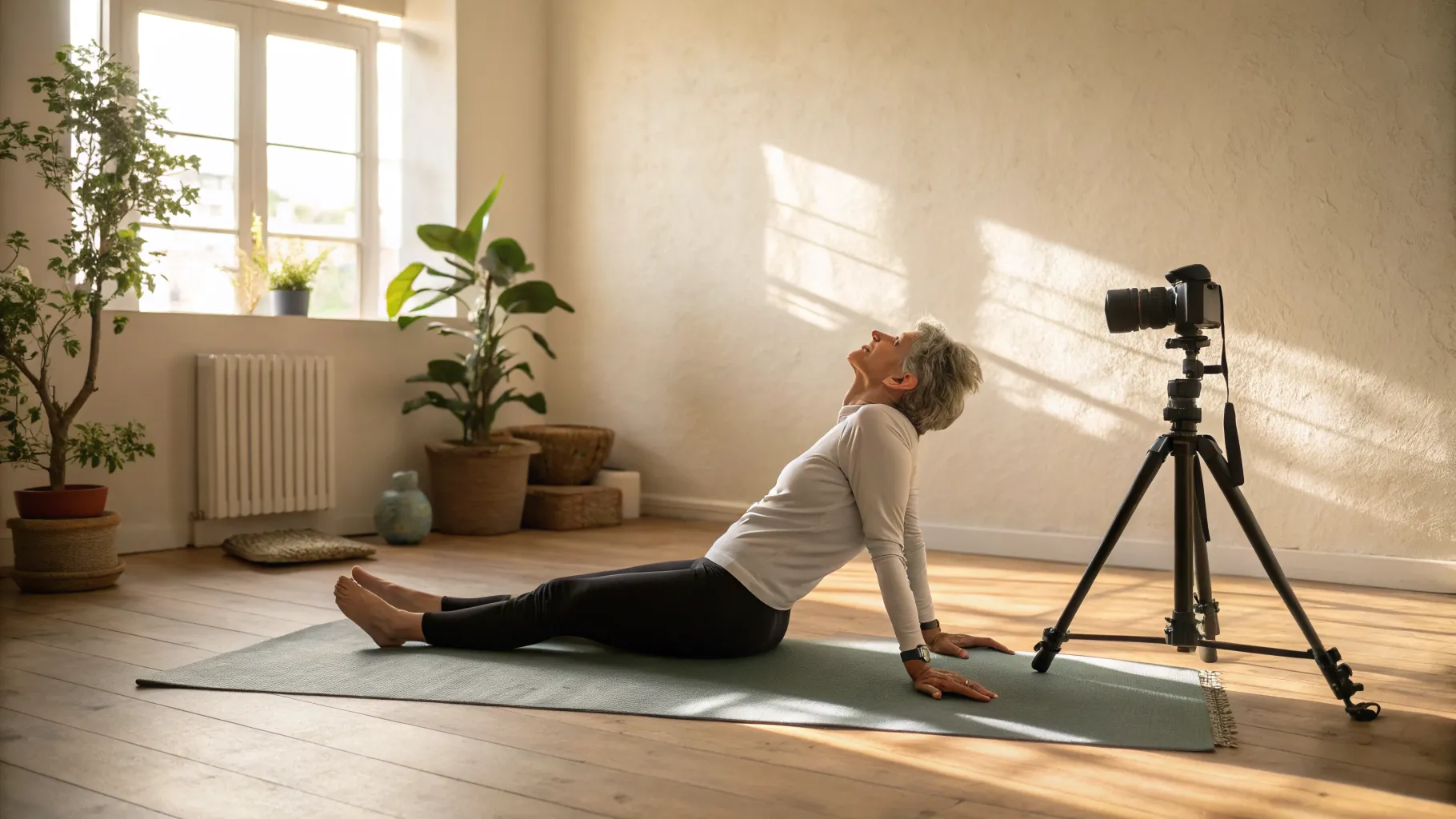
Top Gentle Sciatica Exercises You Can Try at Home
When you're experiencing sciatic pain, the thought of exercise might seem counterintuitive. However, the right kind of movement is crucial for healing. The following are some of the most effective and safe home exercises for sciatica, designed to be gentle on your body while providing maximum benefit. Remember to move slowly and listen to your body, stopping if any movement causes sharp pain. Consistency is key to seeing results with these sciatica exercises.
1. Single Knee-to-Chest Stretch
This is a foundational stretch that helps to reduce nerve compression in the lower back. Lie on your back on a comfortable, flat surface with your knees bent and feet flat on the floor. Gently bring one knee towards your chest, holding it with both hands just below the kneecap. Pull the knee as close to your chest as is comfortable, feeling a gentle stretch in your lower back and glute. Hold for 20-30 seconds, breathing deeply throughout. Release and repeat with the other leg. This is one of the most fundamental sciatica stretches and is excellent for beginners.
2. Seated Piriformis Stretch
The piriformis muscle, located deep in the buttock, can often irritate the sciatic nerve. Stretching it can provide significant relief. Sit on a sturdy chair with your feet flat on the floor. If your pain is on the right side, cross your right ankle over your left knee. Gently lean your torso forward, keeping your back straight, until you feel a stretch in your right buttock. Hold for 30 seconds. This is a highly effective stretch among the many sciatica relief exercises you can do while at your desk.
3. Pelvic Tilt
The pelvic tilt helps to strengthen the lower abdominal muscles and stretch the low back. Lie on your back with your knees bent and feet flat on the floor, arms by your sides. Gently flatten your back against the floor by tightening your stomach muscles and tilting your pelvis slightly upward. You should feel your lower back pressing into the floor. Hold this position for 5-10 seconds and then relax. Repeat this movement 10-15 times. This subtle but powerful exercise is a key part of any set of home exercises for sciatica.
4. Glute Bridges
Strengthening the glutes and core can provide better support for your lower back. Lie on your back with knees bent, feet flat on the floor about hip-width apart, and arms by your sides with palms down. Pressing through your feet, lift your hips off the floor until your body forms a straight line from your shoulders to your knees. Squeeze your glutes at the top. Hold for a few seconds before slowly lowering your hips back down. Performing this exercise regularly helps build the stability needed to support your spine and reduce strain.
5. Cat-Cow Stretch (Marjaryasana-Bitilasana)
This dynamic movement from yoga increases the mobility and flexibility of the spine, which can help alleviate pressure on the sciatic nerve. Start on your hands and knees in a tabletop position. As you inhale, drop your belly towards the mat and look up, arching your back (Cow Pose). As you exhale, round your spine towards the ceiling, tucking your chin to your chest (Cat Pose). Flow between these two positions for 1-2 minutes. This is one of the most therapeutic sciatica stretches for spinal health.
Creating a Consistent Routine for Sciatica Relief
The effectiveness of these gentle sciatica exercises you can try at home depends heavily on consistency. Aim to perform these stretches once or twice a day. A good time is in the morning to relieve stiffness or in the evening to ease tension built up throughout the day. Start slowly, perhaps with just one or two exercises, and gradually add more as you feel comfortable. The goal is gentle, consistent movement, not aggressive stretching. Pairing these sciatica exercises with low-impact activities like walking can further enhance your recovery and help prevent future flare-ups.
Important Safety Precautions for Home Exercises for Sciatica
While these exercises are designed to be safe, it's crucial to approach them with care to avoid further injury. Always prioritize safety by following these guidelines:
- Listen to Your Body: The golden rule is to never push through sharp, shooting, or increasing pain. A gentle stretching sensation is normal, but acute pain is a signal to stop immediately.
- Avoid Bouncing: All movements should be slow, smooth, and controlled. Bouncing while performing sciatica stretches can cause muscle strain and aggravate the nerve.
- Breathe Deeply: Do not hold your breath. Deep, diaphragmatic breathing helps relax your muscles, increases blood flow, and allows for a deeper, more effective stretch.
- Consult a Professional: Before starting any new exercise program, especially for nerve pain, it's wise to consult with a doctor or physical therapist. They can confirm your diagnosis and recommend the most appropriate sciatica relief exercises for your specific condition.
Frequently Asked Questions
How often should I do these gentle sciatica exercises you can try at home?
For most people, performing these exercises 1-2 times daily is beneficial. Consistency is more important than intensity. A short 10-15 minute session every day is often more effective than a long, infrequent one. Listen to your body and adjust the frequency as needed.
Can sciatica exercises make the pain worse?
If done incorrectly or too aggressively, yes, certain movements can aggravate the sciatic nerve. It is crucial to perform these sciatica exercises gently and to stop if you feel any sharp or radiating pain. The exercises listed here are specifically chosen for their gentle nature, but you must always listen to your body's signals.
What is the difference between general back stretches and specific sciatica stretches?
While some overlap exists, specific sciatica stretches are targeted at the muscles that commonly contribute to sciatic nerve compression, such as the piriformis and gluteal muscles. They also focus on creating space in the lumbar spine to decompress the nerve root. General back stretches may not address these specific areas with the same level of precision.
References
- Journal of Orthopaedic & Sports Physical Therapy
- Spine Health Institute Clinical Guidelines
- American Academy of Orthopaedic Surgeons (AAOS) Patient Resources
- National Institute of Neurological Disorders and Stroke (NINDS) Fact Sheet