Stunning Garden Plans for Front of House to Boost Curb Appeal
Facts:
- Well-landscaped homes can have a 5.5-12.7% price advantage.
- Native planting is a major trend for sustainable front yard garden ideas.
Transforming Your Home's First Impression
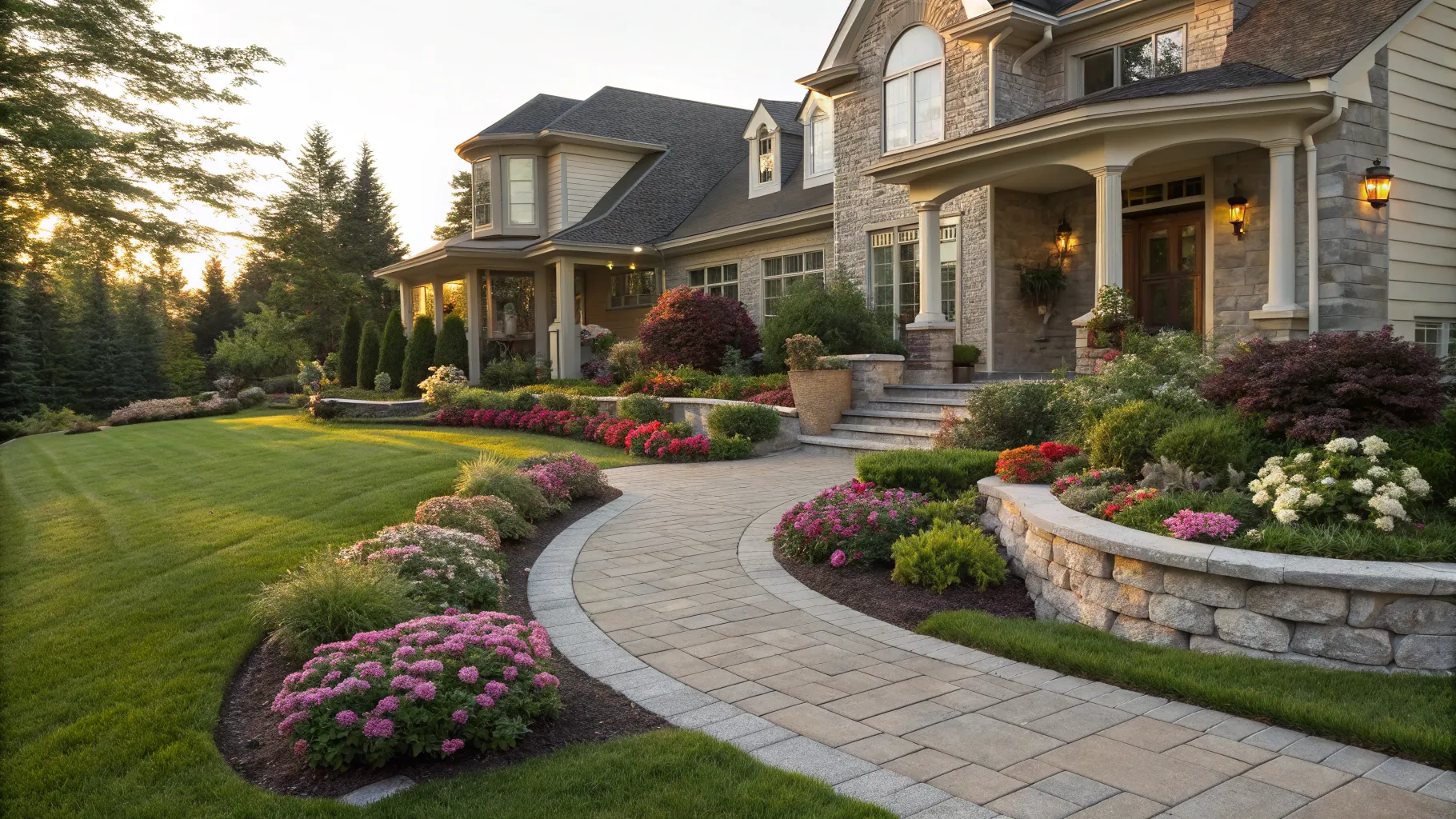
The first thing guests and passersby see is the front of your house, and creating a welcoming, beautiful entrance is paramount. Effective garden plans for front of house go beyond just planting a few flowers; they involve a thoughtful approach to design, scale, and plant selection that complements your home's architecture and reflects your personal style. Whether you are starting from scratch or revamping an existing space, understanding the core principles of front house landscaping is the key to achieving stunning curb appeal. This guide will walk you through everything from foundational concepts to specific design inspirations, ensuring your front yard becomes a true showpiece.
Foundational Principles of Front House Landscaping
Before you start digging, it's crucial to understand the basic principles that underpin all successful front house landscaping. The goal is to create a cohesive look that feels balanced and intentional. Start by considering symmetry and balance. This doesn't mean you have to mirror each side of your walkway perfectly, but there should be a sense of visual equilibrium. Scale is another vital element; the size of your plants and garden beds should be proportional to your house. A tiny flower bed can look lost in front of a large home, while overgrown shrubs can overwhelm a smaller structure. Finally, think about color and texture. Use a complementary color palette that enhances your home's exterior, and mix different plant textures—like fine grasses with broad-leafed hostas—to create visual interest throughout the year. These principles are the backbone of any great front garden design plans.
Popular Styles for Front Yard Garden Ideas
There are countless styles to choose from when developing your front yard garden ideas. Your choice should align with your home's architecture and your maintenance preferences. For a classic, romantic look, a cottage garden with a profusion of flowering perennials like roses, lavender, and delphiniums is an excellent choice. This style is characterized by its informal, dense planting. For a more contemporary home, a modern or minimalist design featuring clean lines, geometric shapes, and a limited plant palette works wonderfully. Think ornamental grasses, structured boxwoods, and strategic hardscaping elements. A formal garden, with its symmetrical layouts, clipped hedges, and defined pathways, offers a timeless and elegant appeal perfect for colonial or traditional homes. Exploring different front yard flower bed ideas within these styles will help you craft a unique and personalized look.
Crafting Perfect Front Yard Flower Bed Ideas
The flower beds are often the stars of your front yard. Creating compelling front yard flower bed ideas involves more than just choosing pretty flowers. A key technique is layering, also known as 'thriller, filler, spiller.' Place taller, dramatic plants (thrillers) in the back or center, surround them with medium-height plants (fillers), and finish with low-growing plants that cascade over the edges (spillers). This creates depth and a lush, full appearance. Also, plan for year-round interest. Select a mix of plants that bloom at different times—spring bulbs, summer perennials, autumn-flowering sedum, and evergreen shrubs for winter structure. This ensures your garden plans for front of house look vibrant no matter the season. Don't forget to consider sun exposure; choose plants that will thrive in the specific light conditions of your front yard.
Developing Your Own Front Garden Design Plans
Creating your own front garden design plans is a rewarding process that allows you to tailor every detail. Follow these steps to ensure a successful outcome that combines beauty with functionality, turning your initial ideas into a tangible reality.
- Assess Your Site: Before anything else, understand your space. Note the amount of daily sunlight, identify soil type (clay, sand, loam), and check for drainage issues. Measure the area and sketch a basic outline of your house, walkway, driveway, and any existing features you want to keep. This foundation is critical for successful garden plans for front of house.
- Choose Your Style and Focal Point: Decide on an overall theme, such as cottage, modern, or formal, that complements your home's architecture. Every great design needs a focal point. This could be a specimen tree, an attractive urn, a bench, or an ornate birdbath. The focal point will anchor your design and draw the eye.
- Draft a Layout: On your sketch, draw the shapes of your garden beds. Use curves for a more natural, informal feel, or straight lines for a formal, modern look. Plan out pathways and define the edges. Think about how people will move through the space. This is a crucial step in creating practical and beautiful front house landscaping.
- Select Your Plants: With your layout complete, create a plant list based on your style, site conditions, and desired maintenance level. Group plants with similar light and water needs together. Remember the layering principle and aim for a mix of heights, textures, and colors that provide interest throughout all four seasons. This is where your front yard flower bed ideas truly come to life.
Low-Maintenance Garden Plans for Busy Homeowners
Many homeowners desire a beautiful front yard without the commitment of constant upkeep. The good news is that low-maintenance front house landscaping is entirely achievable with smart planning. Focus on selecting hardy, native plants that are adapted to your local climate and require less water and fuss. Perennials are a fantastic choice as they return year after year, reducing the need for annual planting. Consider drought-tolerant options like sedum, lavender, and ornamental grasses. Incorporating hardscaping elements like gravel paths, stone retaining walls, or a paver patio can also reduce lawn space and garden maintenance. Mulching your garden beds is another key strategy; it helps retain soil moisture, suppress weeds, and regulate soil temperature. These strategies ensure your garden plans for front of house remain beautiful with minimal effort.
Frequently Asked Questions
How do I start planning a front yard garden?
Begin by assessing your space for sunlight, soil type, and size. Then, choose a style that complements your home's architecture. Sketch a basic layout, including bed shapes and a focal point. Finally, create a plant list focusing on varieties that suit your climate and maintenance preferences. Solid front garden design plans are the key to success.
What are the best low-maintenance plants for front house landscaping?
For low-maintenance front house landscaping, choose hardy perennials and native plants. Great options include Coneflowers (Echinacea), Hostas for shady areas, Sedum 'Autumn Joy', Ornamental Grasses like 'Karl Foerster', and drought-tolerant shrubs such as Russian Sage and Boxwood. These plants require minimal care once established.
How can I make my front garden look good all year?
To ensure year-round interest in your front yard garden ideas, select a mix of plants with different seasonal highlights. Include spring-blooming bulbs, summer-flowering perennials, plants with vibrant autumn foliage, and evergreen shrubs or trees for winter structure and color. This layered approach guarantees there is always something visually appealing.
References
- The Principles of Landscape Design
- Homeowner's Guide to Sustainable Landscaping
- Creating Curb Appeal: The Complete Guide