Garden Plans for Front of House: Boost Your Curb Appeal
Facts:
- A well-landscaped front yard can increase property value by up to 12%.
- Sustainable and native plantings are a major trend in front house landscaping.
Transforming Your Entrance: The Foundation of Front Yard Design
Creating an inviting and beautiful entrance is the primary goal of any effective garden plans for front of house. This initial view of your property, often called curb appeal, sets the tone for your entire home and can significantly impact its value and your enjoyment of it. A well-thought-out design involves more than just planting a few flowers; it's about creating a cohesive look that complements your home's architecture and reflects your personal style. Developing solid front garden design plans is the first step towards achieving a stunning exterior. Whether you're starting from scratch or renovating an existing space, focusing on structure, plant selection, and year-round interest will ensure your front house landscaping is a success.
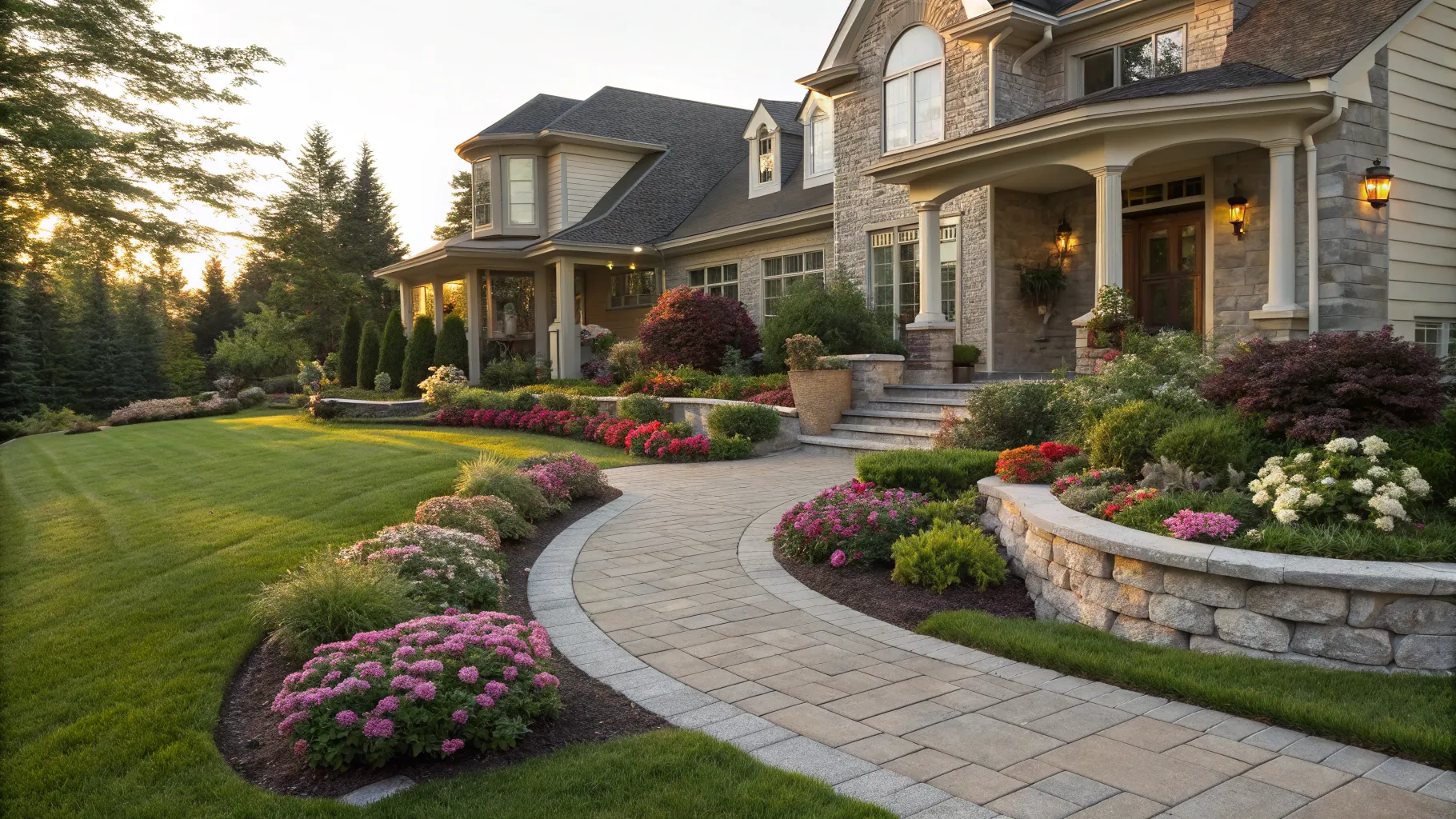
Essential Elements of Winning Front Garden Design Plans
Successful front garden design plans are built on a few core principles. First is the concept of 'bones' or structure, which refers to the permanent elements like pathways, fences, and larger shrubs that provide form even in winter. Walkways should be both functional and attractive, guiding visitors to the door. Second is the creation of focal points to draw the eye; this could be a specimen tree, a birdbath, or a particularly vibrant cluster of flowers in your front yard flower bed ideas. Third is the principle of layering, where plants of varying heights are arranged with taller ones in the back and shorter ones in front, creating depth and visual interest. Finally, repetition of colors, textures, or plant forms throughout the design helps to create a unified and harmonious look, which is a hallmark of professional front house landscaping.
Popular Front Yard Garden Ideas for Every Home Style
The best garden plans for front of house are those that feel like a natural extension of the home itself. Your architectural style should heavily influence your landscaping choices. For a quaint cottage or bungalow, a cottage garden style with a profusion of colorful, informal flowers like roses, lavender, and delphiniums is a perfect match. For modern or contemporary homes, minimalist front yard garden ideas featuring clean lines, geometric shapes, and a limited color palette of greens and whites often work best. Think ornamental grasses, structured boxwoods, and sleek hardscaping. A traditional colonial home pairs beautifully with a more formal design, incorporating symmetrical plantings, clipped hedges, and classic urns. Each of these approaches requires different front garden design plans to execute effectively.
Choosing the Right Plants for Your Front Yard Flower Bed Ideas
The heart of any garden is its plants, and your front yard flower bed ideas are where you can truly express your creativity. However, making the right choices is crucial for long-term success. Here are some key considerations for your front house landscaping:
- Consider Your Climate and Sun Exposure: Before buying a single plant, observe how much sun your front yard receives. Full sun, part shade, and full shade areas will require different types of plants. Choosing species native to your region is often a low-maintenance and eco-friendly option.
- Layering for Height and Texture: Create visual depth by layering plants. Start with a backdrop of evergreen shrubs for year-round structure. Add a middle layer of medium-sized perennials and finish with a border of low-growing annuals or groundcover. This is a fundamental technique in effective garden plans for front of house.
- Plan for Four-Season Interest: A common mistake is designing a garden that only looks good in spring. Select plants that offer interest in multiple seasons. Think spring-flowering bulbs, summer-blooming perennials, shrubs with brilliant fall foliage, and evergreens or trees with interesting bark for winter.
- Color and Repetition: Choose a color palette that complements your house color. Using repeating clumps of the same plant or color throughout your front yard flower bed ideas will create a cohesive and intentional look that ties the entire landscape together.
A Comparative Look at Landscaping Materials
Beyond plants, the materials you use for pathways, borders, and mulch play a significant role in your overall front house landscaping. Natural flagstone pathways offer a rustic, charming feel, while sleek concrete pavers lend a more modern look. For bed edging, materials range from affordable plastic to durable steel or classic brick. Each choice impacts both the aesthetic and the maintenance requirements of your front garden design plans. Mulch is also a critical component; organic mulches like shredded bark or pine straw enrich the soil as they break down, while inorganic options like pea gravel or river rock offer a permanent, low-maintenance solution that is often featured in modern front yard garden ideas. Weighing the cost, durability, and style of these materials is a key part of the planning process.
Frequently Asked Questions
What are the first steps in creating garden plans for front of house?
The first steps involve assessing your space. Take note of sunlight patterns, soil type, and existing features. Next, define your budget and gather inspiration. Sketching out your ideas, even roughly, helps visualize the layout of paths, beds, and planting areas. This initial planning is crucial for successful front garden design plans.
How can I make my front yard flower bed ideas look good all year?
To ensure year-round appeal, focus on a mix of plants. Incorporate a strong backbone of evergreen shrubs for winter structure. Add spring-blooming bulbs, summer-flowering perennials, plants with vibrant autumn foliage, and ornamental grasses that provide winter texture. This ensures there's always something interesting to see.
What's the most budget-friendly option for front house landscaping?
For budget-friendly front house landscaping, focus on perennials, which return every year, instead of annuals. Buying smaller, younger plants is also more economical. Utilize mulch to suppress weeds and retain moisture, reducing maintenance costs. Finally, tackling the project in phases can make the investment more manageable.
References
- National Gardening Association publications
- Local horticultural society guidelines
- University Extension Service landscaping manuals
- Books on residential landscape architecture