Stunning Garden Plans for Front of House to Boost Curb Appeal
Facts:
- Good landscaping can add up to 28% to a home's value.
- A growing trend is using native plants for low-maintenance front gardens.
Crafting the Perfect First Impression with Your Garden
The front of your house is the first thing visitors see, and a well-thought-out garden can dramatically enhance its curb appeal. Creating effective garden plans for front of house involves more than just planting a few flowers; it's about designing a cohesive and welcoming space that complements your home's architecture. Whether you're looking for elaborate front yard garden ideas or simple, elegant solutions, a proper plan is the key to success. This guide will walk you through various designs and concepts to help you create a stunning entrance.
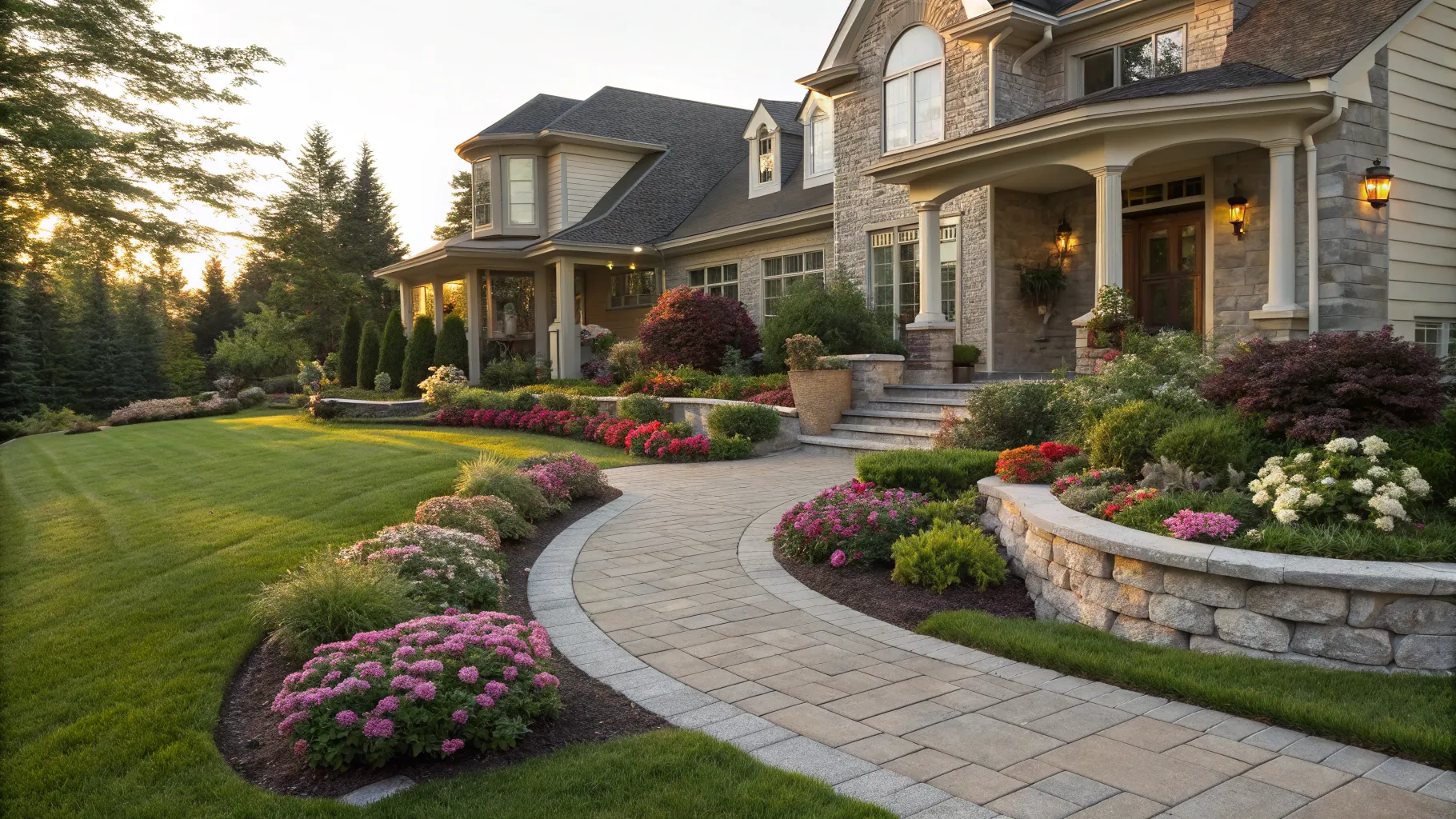
Choosing Your Style: Key Front Garden Design Plans
Before you start digging, it's essential to select a style that aligns with your home's aesthetic and your personal taste. There are numerous front garden design plans to consider, each with its unique character. A classic cottage garden, for example, uses a dense mix of ornamental and edible plants for a charming, informal look. This style is perfect for creating a cozy and inviting atmosphere. In contrast, a modern approach to front house landscaping often features clean lines, geometric shapes, and a more minimalist plant palette, emphasizing structure and form. For those who prefer a more natural look, a native plant garden utilizes species indigenous to your region, which not only looks beautiful but also supports local wildlife and typically requires less water and maintenance. Considering these different front yard garden ideas will help you narrow down the perfect vision for your home.
Essential Elements for Successful Front House Landscaping
Effective front house landscaping balances several key components: plants, hardscaping, and focal points. The plant selection is crucial. You should aim for a mix of evergreens for year-round structure, perennials for seasonal color, and annuals for vibrant, temporary displays. Think about plant height, texture, and color to create layers and visual interest. Hardscaping elements like pathways, borders, and retaining walls provide the backbone of your design. A gracefully curving stone path is more welcoming than a straight concrete one. Edging your front yard flower bed ideas with brick or stone creates a tidy, polished look. Finally, incorporating a focal point, such as a specimen tree, a birdbath, or a piece of garden art, can draw the eye and anchor your entire design. All these elements must work in harmony to achieve a balanced and appealing composition for your garden plans for front of house.
Inspiring Front Yard Flower Bed Ideas
Flower beds are the heart of most front yard gardens. How you design them can make or break your overall landscape. Here are a few popular front yard flower bed ideas to inspire your project.
Layered Planting for Depth and Interest
Create depth by layering plants according to their mature height. Place taller shrubs or ornamental grasses at the back of the bed, medium-sized perennials in the middle, and low-growing annuals or groundcover at the front. This technique ensures that all plants are visible and creates a lush, full appearance. This is a foundational concept in many front garden design plans.
Symmetrical Designs for Formal Elegance
For a classic, formal look, consider a symmetrical design. This involves creating mirror-image garden beds on either side of your front door or walkway. Using identical plants, shapes, and structures on both sides creates a sense of order, balance, and grandeur. This approach works particularly well with traditional or colonial-style homes and is a timeless choice for front house landscaping.
Island Beds for Dynamic Visual Flow
Instead of planting only along the foundation of your house, create a freestanding island bed in your lawn. This can add a dynamic element and help guide the eye through the landscape. Island beds are perfect for showcasing a beautiful small tree, a collection of roses, or a vibrant mix of seasonal flowers. They offer a fantastic way to break up a large, monotonous lawn and implement creative garden plans for front of house.
Low-Maintenance Front Yard Garden Ideas
Not everyone has hours to spend on garden upkeep. The good news is that you can still have a beautiful front yard with low-maintenance front yard garden ideas. The key is to choose hardy, drought-tolerant plants and incorporate smart design strategies. Mulching your garden beds is one of the most effective ways to reduce weeding and watering. Using native plants is another excellent strategy, as they are already adapted to your local climate and soil conditions. Consider replacing a high-maintenance lawn with slow-spreading groundcovers or a thoughtfully designed hardscape area. These simple choices can significantly reduce the time you spend working on your garden, allowing you more time to simply enjoy your beautiful front house landscaping.
Actionable Steps for Implementing Your Garden Plan
Once you have a design in mind, it's time to bring your garden plans for front of house to life. Following a structured approach will ensure a smoother process and better results. Here is a step-by-step guide to get you started:
- Assess Your Site: Before buying any plants, analyze your front yard. Note how much sun different areas receive, the type of soil you have (e.g., clay, sand, loam), and any existing features you want to keep or remove. This is a critical first step for any successful front garden design plans.
- Create a Detailed Sketch: Draw a simple map of your front yard. Mark the locations of doors, windows, and paths. Sketch out the shapes of your new garden beds and decide where major plants or focal points will go. This visual plan will be your roadmap.
- Prepare the Soil: Good soil is the foundation of a healthy garden. Remove any existing grass or weeds from your new garden areas. Amend the soil with compost or other organic matter to improve its structure and fertility.
- Planting and Mulching: Arrange your plants according to your plan before you start digging. Pay attention to spacing requirements to ensure they have room to grow. Once everything is planted, water thoroughly and apply a 2-3 inch layer of mulch to help retain moisture and suppress weeds.
- Establish a Watering Routine: Newly installed plants need consistent watering to establish their root systems. Water deeply a few times a week, rather than shallowly every day, to encourage deep root growth.
Frequently Asked Questions
What are the best low-maintenance plants for front yard garden ideas?
For low-maintenance front yard garden ideas, consider hardy perennials like Coneflowers, Sedum, and Daylilies. Drought-tolerant ornamental grasses such as Switchgrass or Little Bluestem are also excellent choices. For shrubs, consider Boxwood, Hydrangeas, or Spirea, which provide structure with minimal fuss.
How can I make my small front yard look bigger with front house landscaping?
To make a small space appear larger, use vertical elements like climbing plants on a trellis or tall, narrow shrubs. Create curved lines for pathways and garden beds, as they create an illusion of more space. Using a limited color palette with cool colors like blues and purples can also make the area feel more expansive. These are smart tactics within your front house landscaping strategy.
What is the first step in creating garden plans for front of house?
The very first step is to assess your site and your needs. Understand your climate, soil type, and sun exposure. Also, think about how you want to use the space and what architectural style your home has. This foundational knowledge is essential before diving into specific garden plans for front of house.
References
- The Principles of Landscape Design
- Guide to Native Plant Gardening
- Creating Curb Appeal: A Homeowner's Guide
- Soil Management for Gardeners