Front House Full Sun Perennial Garden Designs for Stunning Curb Appeal
Facts:
- Perennials can live for more than two years, returning each spring.
- A major trend is using drought-tolerant perennials for sustainable front yard perennial landscaping.
Transforming Your Curb Appeal with Sun-Loving Perennials
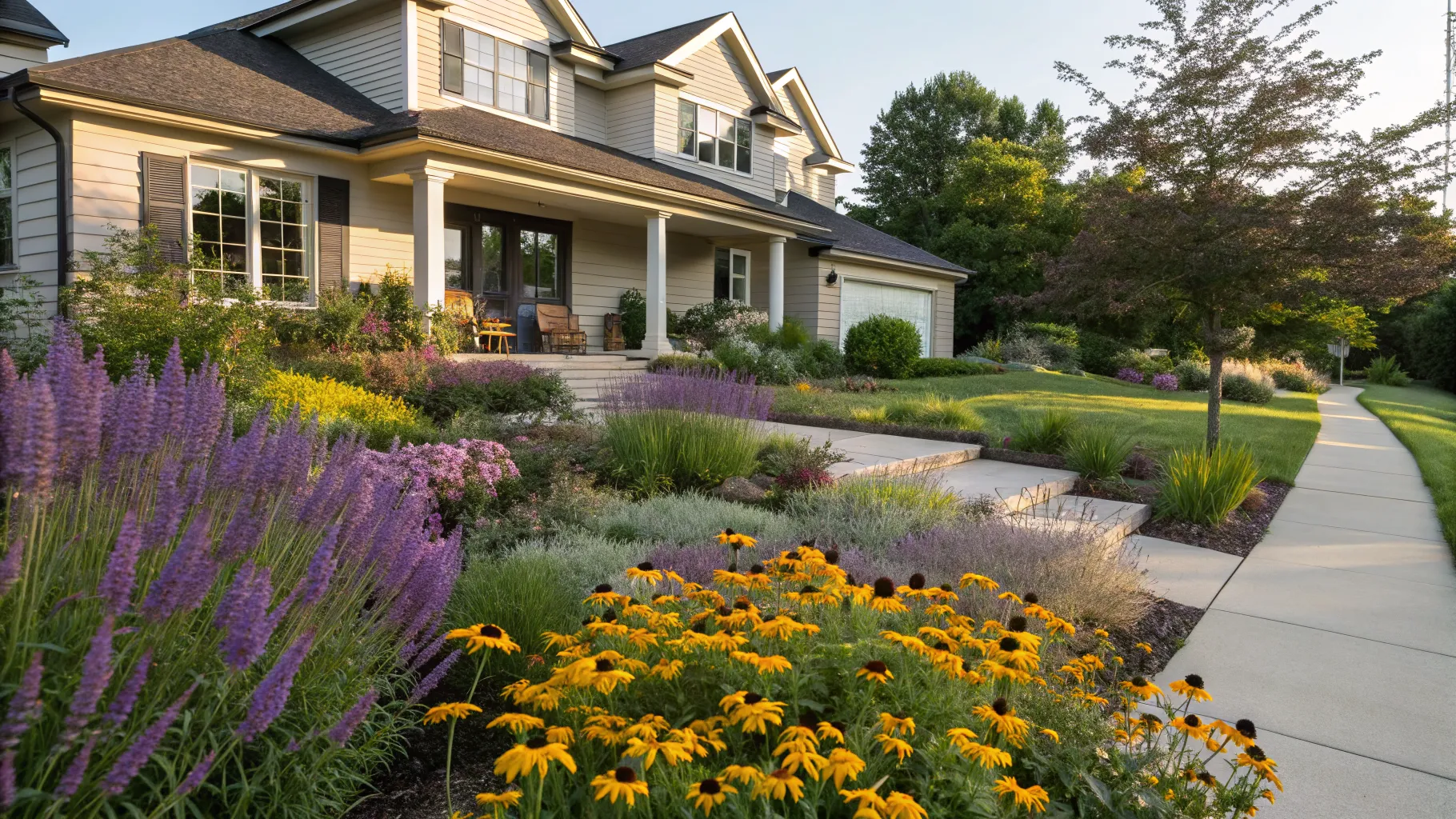
Creating a breathtaking garden at the front of your home that can withstand hours of direct sunlight is a rewarding challenge. The key lies in selecting the right plants and arranging them thoughtfully. Excellent front house full sun perennial garden designs not only survive but thrive in bright conditions, offering a symphony of color, texture, and form from spring through fall. By focusing on hardy, sun-loving species, you can craft a low-maintenance, high-impact display that enhances your home's curb appeal year after year. This guide provides essential full sun perennial garden ideas and strategies to help you design a vibrant and enduring front yard landscape.
Essential Principles for Stunning Perennial Garden Layouts
The foundation of any successful garden is a well-thought-out plan. Before you even purchase a single plant, it's crucial to map out your space and consider the core principles of design. Effective perennial garden layouts take into account factors like plant height, bloom time, color scheme, and texture to create a cohesive and visually appealing scene. Think about how the garden will look from the street, from your windows, and as you walk up to your front door. A common mistake is planting in straight, rigid lines. Instead, aim for curved beds and grouped plantings, known as drifts, to create a more natural and inviting feel. This planning phase is the most critical step in achieving professional-looking front yard perennial landscaping that matures beautifully over time.
Top Perennial Choices for Your Full Sun Garden
Selecting the right plants is paramount for a garden that bakes in the sun all day. You need tough, resilient perennials that don't just tolerate the heat but flourish in it. The best choices offer long bloom seasons, interesting foliage, and require minimal fuss once established. When planning your front garden design inspiration, consider a mix of plants that provide color and texture throughout the growing season. Below are some of the most reliable and beautiful perennials that are perfect for front house full sun perennial garden designs.
Coneflowers (Echinacea)
A quintessential sun-loving perennial, the coneflower is celebrated for its daisy-like blooms and prominent central cone. They are incredibly drought-tolerant and attract a host of pollinators, including bees and butterflies. Available in a wide range of colors from classic purple and white to vibrant shades of orange, red, and yellow, they provide a long season of interest from mid-summer until the first frost. They are a staple in many full sun perennial garden ideas for their reliability and beauty.
Black-Eyed Susans (Rudbeckia)
For a guaranteed burst of cheerful, golden-yellow color, nothing beats the Black-Eyed Susan. These prolific bloomers are tough, dependable, and spread easily to fill in spaces. They offer a classic, timeless look that fits well with both cottage and traditional garden styles. Their dark central cones provide a striking contrast to the bright petals, making them a focal point in any garden bed and a source of fantastic front garden design inspiration.
Sedum (Stonecrop)
If you're looking for a plant that offers four-season interest, Sedum is an excellent choice. Its fleshy, succulent-like leaves store water, making it extremely drought-resistant. In late summer and fall, it produces large flower heads in shades of pink, red, and bronze that are magnets for late-season pollinators. Even in winter, the dried seed heads provide structure and texture to the landscape, proving its value in comprehensive perennial garden layouts.
Lavender (Lavandula)
Beloved for its iconic fragrance and beautiful purple spikes, Lavender is a Mediterranean native that adores full sun and well-drained soil. It brings a touch of Provence to any garden and its silvery-grey foliage provides a wonderful contrast to greener plants. It is perfect for lining walkways or creating a low-growing hedge, adding a sensory element to your front yard perennial landscaping.
Actionable Design Strategies for High-Impact Gardens
Beyond choosing the right plants, how you arrange them makes all the difference. Applying a few key design strategies will elevate your garden from a simple collection of plants to a harmonious and intentional landscape. These tips will help you create depth, rhythm, and year-round appeal in your front house full sun perennial garden designs.
- Layer for Depth: Arrange plants with the tallest in the back, medium-height plants in the middle, and the shortest or groundcover varieties at the front edge. This classic technique creates a lush, full look and ensures all plants are visible.
- Plant in Drifts: For a natural, meadow-like effect, plant perennials in groups of 3, 5, or 7 of the same variety. This creates impactful swathes of color and texture, which is a core concept in many professional full sun perennial garden ideas.
- Repeat Colors and Forms: Repetition is a powerful design tool. Repeat a specific plant or color throughout the garden bed to create a sense of rhythm and unity. This visual link ties the entire composition together.
- Contrast Textures: Combine plants with different foliage types. Pair bold, coarse leaves (like Sedum) with fine, feathery foliage (like Russian Sage) to create visual interest and complexity even when plants are not in bloom.
Comparing Garden Styles: Cottage vs. Modern
Your choice of style will guide your plant selection and layout. A Cottage garden, for example, embraces a romantic, dense, and seemingly chaotic planting scheme. This style is perfect for showcasing a wide variety of plants in informal drifts, where flowers spill over pathways. It’s a popular approach for many front garden design inspiration boards. In contrast, a Modern perennial garden is characterized by clean lines, bold geometric shapes, and a more limited plant palette. Repetition of a few select plant varieties is key, often planted in graphic blocks or straight lines. Both styles can be stunning, but the choice depends on your personal aesthetic and the architecture of your home when planning your front house full sun perennial garden designs.
Frequently Asked Questions
How do I start a perennial garden from scratch in full sun?
Start by clearing the area of all weeds and grass. Amend the soil with several inches of compost to improve its structure and fertility. Next, create your perennial garden layouts on paper, considering plant heights and bloom times. Water new plants thoroughly after planting and apply a layer of mulch to retain moisture and suppress weeds.
What are the lowest maintenance perennials for front yard landscaping?
For a low-maintenance garden, choose drought-tolerant and pest-resistant plants. Some of the best options for front yard perennial landscaping in full sun include Sedum 'Autumn Joy', Coneflowers (Echinacea), Russian Sage (Perovskia), and Yarrow (Achillea). These plants require minimal watering once established and generally don't need fussy care.
How often should I water my full sun perennial garden?
New perennial gardens need regular watering to get established. However, once mature (usually after the first year), most sun-loving perennials prefer deep, infrequent watering rather than light, daily sprinklings. Water thoroughly once or twice a week during hot, dry spells, allowing the soil to dry out slightly between waterings. This encourages deep root growth.
References
- University Horticultural Extension Guides
- National Gardening Association Publications
- Royal Horticultural Society Plant Finder
- Perennial Plant Association Resources