Fridge Tips for Fresher Food Easy Storage Hacks Guide
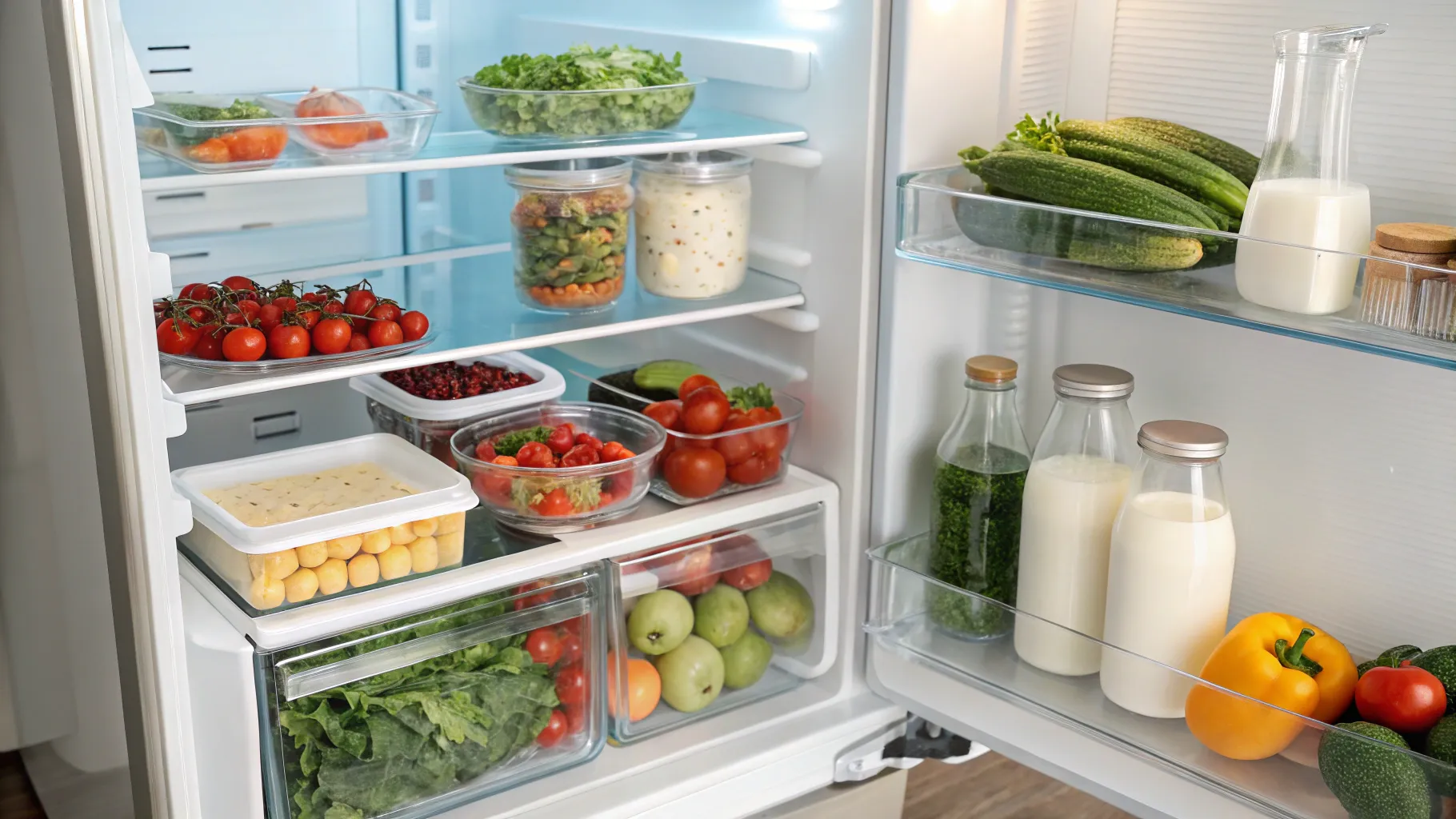
Understanding Fridge Tips for Fresher Food
In our fast-paced lives of 2025, grocery shopping can sometimes feel like a race against time. We grab items on our way home, often not considering how best to store them once we get back. Did you know that improper food storage can lead to significant waste? It can also mean that your food may spoil before you even get a chance to enjoy it. However, with some effective fridge tips, you can extend the life of your groceries and keep them fresher for longer. Let’s delve into these strategies that not only help in minimizing food wastage but are also budget-friendly!
Effective Storage Techniques
When it comes to refrigeration, understanding that different foods necessitate different storage techniques is crucial. Implementing tailored fridge tips for fresher food can make a world of difference in reducing spoilage:
- Temperature Control: Your fridge should be at or below 40°F (4°C) to effectively hinder bacterial growth. It’s recommended you invest in a thermometer to check this regularly. A cooler environment keeps your food fresh longer, and not just for days; it can enhance the quality for weeks.
- Humidity Settings: Most modern refrigerators feature drawers with varying humidity settings, ideal for fruits and vegetables. Store vegetables in high-humidity drawers and your fruits in low-humidity ones. This simple adjustment can prevent moisture loss or rot.
- Container Matters: Investing in high-quality airtight containers can dramatically change how long your leftovers and grains last. Not only do they preserve flavor, but they keep your fridge organized and eliminate odors.
For instance, consider your fresh herbs. By storing them upright in a jar with water—much like a bouquet—you can keep them alive for weeks. Many overlook this easy hack, but small adjustments like this can lead to substantial savings in the long run.
Fridge Hacks That Keep Produce Fresh
Some fun yet effective fridge hacks can help you maximize the freshness of your produce. You might be surprised by how minor changes can lead to significant outcomes!
- Wrap Your Greens: Leafy greens tend to wilt quickly, but wrapping them in a slightly damp paper towel before placing them in a container or perforated bag can extend their life by several days.
- Don't Wash Berries Prematurely: Washing berries before storage can lead to mold developing faster. Instead, keep them dry and at room temperature until you’re ready to enjoy them, then rinse. Store in a single layer on a paper towel inside a container to absorb moisture.
- Separate Your Potatoes and Onions: Storing these together is a common mistake. They release gases that accelerate decay when stored together. It’s best to keep them separated in cool, dark places outside your fridge.
It’s essential to be mindful of produce interactions. For example, placing apples next to bananas can hasten ripening and spoilage because apples emit ethylene gas, which bananas produce more of, compounding the problem.
As of recently gathered statistics, around 40% of the food waste we're seeing occurs at the consumer level, primarily due to inadequate storage methods. The solution lies in adjusting our approach to food freshness.
Meat and Dairy: Key Refrigeration Guidelines
When it comes to meat and dairy, proper storage is paramount to ensure both safety and quality. Here’s how you can optimize the storage of these items:
- Storing Meat Safely: Raw meat should be tightly wrapped in its packaging to prevent any juices from leaking and contaminating other items. Always store it at the bottom of the fridge, and if you don’t plan on using it within a few days, freezing it is the best option.
- Dairy Products: For milk and similar products, store them on the middle shelves of your fridge where the temperature remains consistent, rather than in the door where temperatures fluctuate. Remember to reseal items like cheese immediately after use to prevent them from drying out.
Understanding your refrigerator layout is key. For example, high-fat dairy like heavy cream can last a few extra days when stored at appropriate temperatures. Awareness is everything!
Keeping Leftovers Fresh
Leftovers can be a double-edged sword—great for saving time and waste, yet easily discarded due to improper storage. Here’s how to ensure your leftovers stay fresh:
- Cool Before Storing: Allow your leftovers to cool down to room temperature before sealing them in containers. This practice helps maintain texture and prevents excess moisture buildup that can lead to spoilage.
- Date Your Leftovers: It’s a great habit to label your containers with the date they were made. Generally, leftovers can typically last up to four days in the fridge when stored correctly.
- Consider Freezing: If you don’t plan on consuming your leftovers soon, freeze them. Ensure you use freezer-safe containers, and always label them with the date and contents!
Your refrigerator is not just a chilly storehouse for groceries; it’s a critical asset for extending both the life of your food and saving money. By adopting these fridge hacks for food freshness, you can enhance your food enjoyment tremendously while reducing waste.
With many households now utilizing smart fridges equipped with sensors that notify users of expiration dates, it is essential to keep the basics in mind. Basic food safety and proper storage techniques will ensure your grocery runs are not just productive but also cost-effective!