Foods That Trigger Digestive Inflammation Explained
Understanding Foods That Trigger Digestive Inflammation
In our fast-paced society, numerous people today find themselves grappling with digestive discomfort, unaware of its underlying causes. Stress and lifestyle choices certainly play their part, yet the pivotal role of foods that trigger digestive inflammation cannot be overlooked. Recent studies have illuminated the ways certain foods can exacerbate digestive issues, making it essential to understand what we eat and how it affects our bodies.
Recognizing Common Inflammatory Foods
- Dairy Products: Many individuals are either lactose intolerant or sensitive to dairy, leading to issues like bloating and gas. Current research shows that about 65% of the global population experiences some form of lactose intolerance, which suggests that dairy might be a risk factor for digestive inflammation.
- Gluten-Containing Foods: Foods like wheat, barley, and rye are known triggers, particularly for those with gluten sensitivities or celiac disease. Interestingly, recent studies reveal that even those without explicit gluten disorders might feel adverse effects, resulting in various uncomfortable symptoms.
- Processed Foods: Highly processed convenience items are often packed with additives and preservatives that can irritate the gut. The correlation between processed food consumption and the rise of inflammatory bowel diseases has become a hot topic in health discussions, particularly noted in research from just the past few months.
- Sugar: The consumption of excessive sugar not only contributes to weight management challenges but also disrupts gut health. Foods laden with added sugars promote dysbiosis, where harmful bacteria overpower beneficial ones, leading to increased inflammation.
- Fatty Foods: Diets high in saturated fats can trigger inflammatory responses within the body. This is especially true for fried foods or those abundant in trans fats, which recent studies have shown can negatively impact digestive health.
- Nightshade Vegetables: While generally healthy, some individuals report heightened sensitivity to nightshades like tomatoes, potatoes, and eggplants, experiencing more inflammation when consuming these foods.
The Impact of Food Sensitivities on Digestive Health
It's vital to distinguish between food allergies and food sensitivities. Allergies often provoke significant immune system responses, while sensitivities typically result in troublesome digestive issues without systemic effects. As healthcare providers are witnessing rising numbers of documented food sensitivities, awareness of this distinction is crucial.
Currently, about one in six people report having food sensitivities that contribute to their digestive discomfort. Identifying these specific triggers can often feel like piecing together a puzzle—this is where maintaining a food journal can be a game-changer. Tracking what you eat alongside any digestive reactions offers insights into potential irritants. This strategy encourages a thorough understanding of personal triggers, allowing for informed dietary choices.
Building a Balanced Diet to Reduce Inflammation
To effectively combat digestive inflammation, understanding which inflammatory foods affect your body is paramount. Transitioning to an anti-inflammatory diet can be highly beneficial for overall digestive health. Here are some strategies to consider:
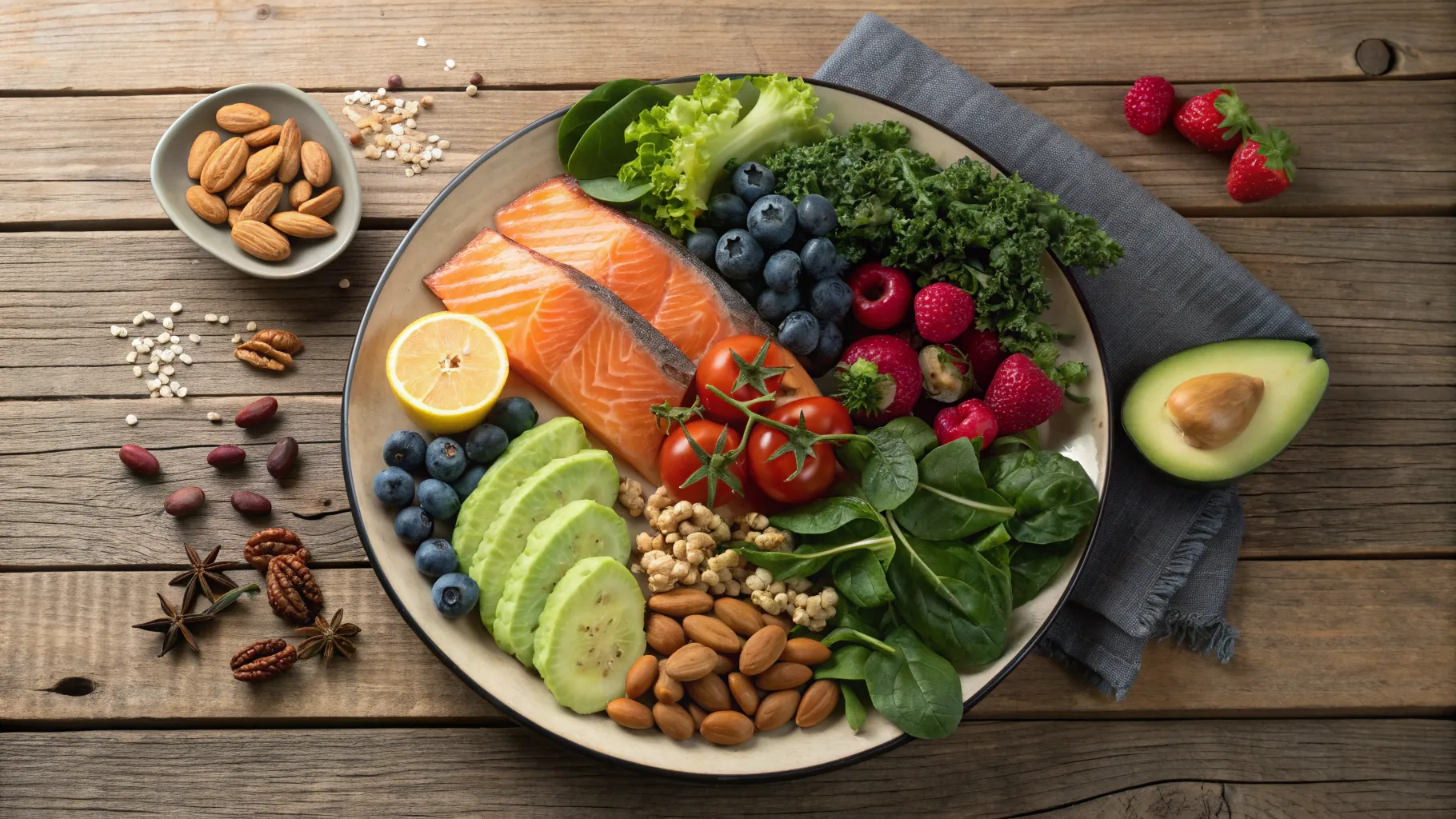
- Emphasize Whole Foods: Make fruits, vegetables, whole grains, and lean proteins staples of your diet. These food groups are rich in nutrients and serve as natural allies in fighting inflammation.
- Incorporate Healthy Fats: Consuming omega-3 fatty acids found in fish, flaxseeds, and walnuts can substantially lower inflammation. Research conducted in 2025 highlighted improvements in digestive health for those who regularly included these healthy fats in their meals.
- Stay Hydrated: Proper hydration is essential for smooth digestion. Drinking plenty of water can lessen symptoms of inflammation and aid in overall digestive processes. Dehydration has been linked to exacerbated digestive problems, highlighting the importance of fluid intake.
- Probiotics and Prebiotics: Enriching your diet with probiotics from yogurt and prebiotics like asparagus and garlic promotes a balanced gut microbiome. Recent insights confirm that a well-balanced microbiome is crucial for managing inflammation effectively.
- Avoid Processed Sugars: Cutting back on sugar intake is pivotal for better digestive health. Opt for herbal teas or fruit-infused water over sugary beverages to satisfy sweet cravings without elevating blood sugar levels.
Lifestyle Adjustments for Optimal Digestive Wellness
While dietary changes are fundamental, they work best in conjunction with lifestyle modifications. Regular exercise, effective stress management techniques, and quality sleep significantly contribute to improving digestive health. Recent findings from studies indicate that people who engage in physical activity regularly report reduced levels of digestive discomfort and inflammation.
In addition, practices such as yoga and meditation have been linked to lowered stress levels, which in turn can help alleviate digestive issues. Mindful eating techniques—including taking the time to chew food thoroughly and eating slowly—can enhance the body’s ability to process food effectively. This holistic approach tackles dietary triggers while fostering a lifestyle geared towards digestive health.
With growing awareness about the links between food and digestive inflammation, individuals are increasingly proactive in making dietary and lifestyle changes that lead to improved well-being. Awareness of how various foods affect your body is controlling your digestive health. Consulting with healthcare professionals or nutritionists can provide tailored insights to navigate these choices safely and effectively, ensuring you take charge of your digestive wellness.