Foods to Avoid for Managing Fatty Liver Health in 2025
Foods To Avoid For Fatty Liver Disease
Fatty liver disease, particularly non-alcoholic fatty liver disease (NAFLD), remains a pressing health issue in 2025, impacting countless individuals around the globe. With the dramatic rise in obesity and sedentary lifestyles, many people are taking a closer look at their diets. If you’re among those managing fatty liver disease, knowing which foods to avoid is crucial for optimizing liver health and restoring function.
Understanding Fatty Liver Disease and Nutrition Guide
Fatty liver disease manifests when excess fat accumulates in liver cells. If left untreated, it can lead to severe liver problems, including steatosis and cirrhosis. Interestingly, studies reveal that dietary patterns significantly influence the progression of fatty liver conditions. In just the past few months, research indicates that nutritional adjustments can decrease liver fat by more than 80% for some individuals, according to the American Liver Foundation.
To effectively combat fatty liver through diet, steering clear of specific food categories is advisable. Here are foods you should consider eliminating:
- Processed Foods: Foods like fast food, snack chips, and ready-made meals are often loaded with unhealthy trans fats and artificial preservatives. A recent study in The Journal of Hepatology points out that a diet high in processed varieties correlates with a significant rise in liver fat accumulation, which can directly worsen fatty liver symptoms.
- Refined Carbohydrates: White bread, pastries, and sugary cereals are prime suspects in causing rapid blood sugar spikes. Multiple studies have demonstrated that consuming high-glycemic foods can lead to increased fat buildup in the liver, making it key to avoid these carbohydrates.
- Sugary Beverages: Soft drinks and sweetened juices are often rich in fructose, a leading cause of fatty liver. Recent statistics show that people who regularly consume these sugary drinks are more likely to develop fatty liver disease, highlighting the need to choose healthier hydration options.
- Alcohol: While moderate alcohol consumption may not pose risks for everyone, individuals with fatty liver disease should be particularly cautious. According to the National Institute on Alcohol Abuse and Alcoholism, even small quantities of alcohol can exacerbate liver damage.
- High-Fat Dairy Products: Dairy items such as full-fat cheese and butter can contain high levels of saturated fats that lead to liver inflammation. Opting for low-fat dairy products is generally recommended for those managing liver issues.
- Red and Processed Meats: High consumption of red meats like bacon and sausages can put additional stress on the liver. Recent research highlights that a diet heavy in these meats may lead to increased liver fat and inflammation, making moderation essential.
By avoiding or reducing these foods from your diet, you can take significant strides toward better liver health.
Making Better Food Choices
Managing fatty liver effectively goes beyond just avoiding harmful foods; it’s also about embracing healthier alternatives. Choosing the right foods can dramatically enhance liver function and overall well-being. Consider implementing the following options into your meals:
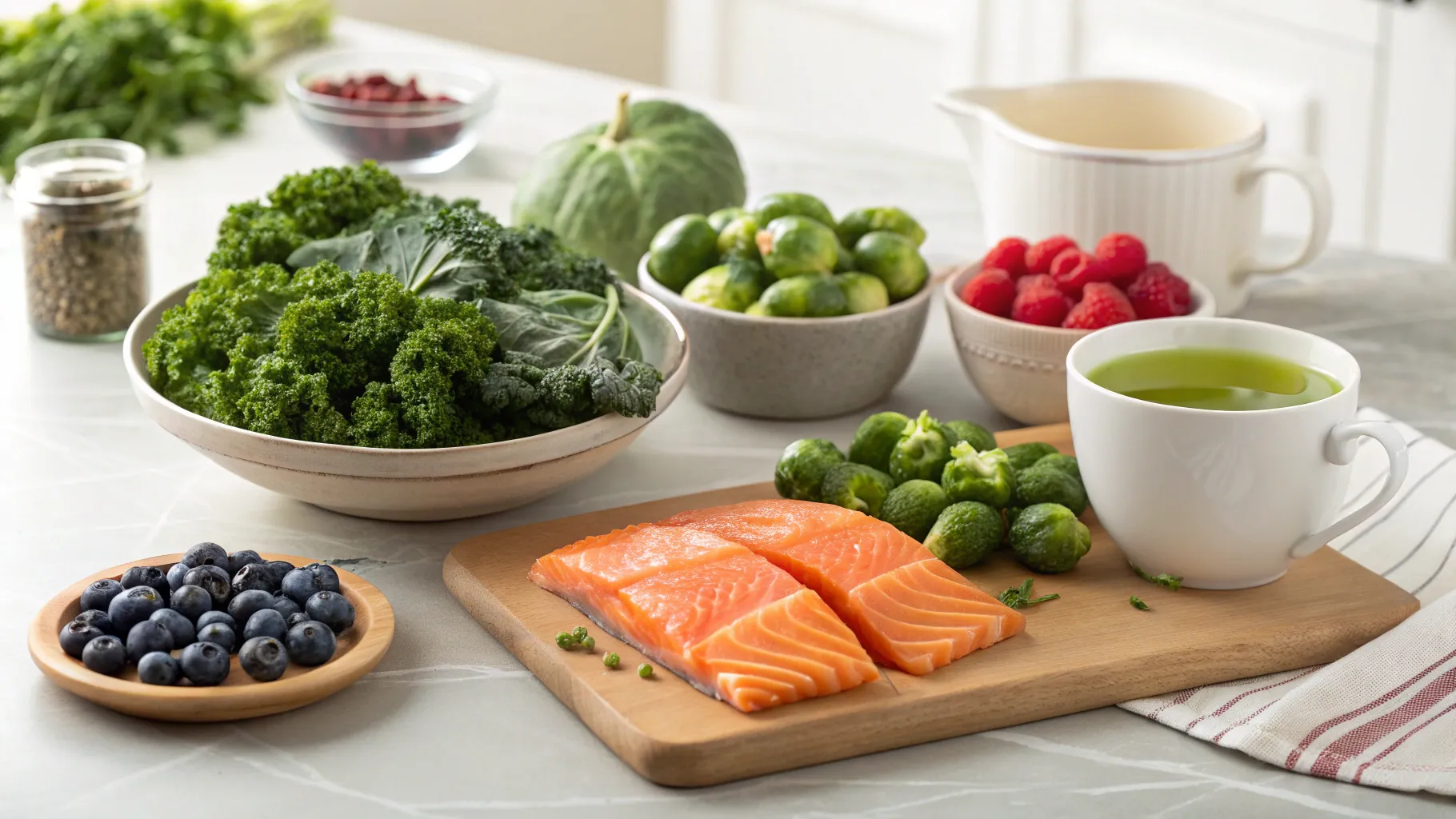
- Fruits and Vegetables: Incorporating a variety of colorful fruits and vegetables into your diet is paramount. These foods are packed with essential nutrients and antioxidants that work wonders for liver health. Berries, leafy greens, and cruciferous vegetables like broccoli can be particularly beneficial due to their high nutrient content.
- Whole Grains: Foods like brown rice, oats, and quinoa provide vital fiber, aiding digestion and helping regulate blood sugar levels effectively. Including whole grains in your diet can help mitigate the risks associated with fatty liver.
- Healthy Fats: Integrate sources of healthy fats, such as avocados, nuts, and olive oil. These options can help reduce inflammation and are beneficial for overall liver health, promoting better metabolic functions.
- Lean Proteins: Focus on fish, skinless chicken, and legumes for protein while steering clear of unhealthy fats present in red meats. Fish rich in omega-3 fatty acids, such as salmon and mackerel, can offer specific benefits for reducing liver inflammation.
- Green Tea: Recent studies indicate that green tea may improve liver enzyme levels and significantly reduce fat deposits in the liver. Research has shown that this beverage can act as a beneficial measure in treating fatty liver disease, making it a smart choice for those looking to improve liver health.
In addition to these food choices, being mindful of portion sizes and maintaining regular eating habits is essential for successful management of fatty liver disease. A recent survey from early 2025 reported that about 50% of individuals with fatty liver disease achieved significant improvements in liver function tests simply by making thoughtful dietary changes.
Furthermore, evidence indicates that individuals adhering to a Mediterranean-style diet—characterized by an abundance of plant-based foods and healthy fats—have experienced remarkable benefits. Over a six-month period, those following this diet observed considerable reductions in liver fat levels, as showcased by data released by nutrition organizations.
Navigating the landscape of food choices when managing fatty liver can feel overwhelming. However, through simple adjustments, you can make substantial strides toward enhanced health. Understanding what you consume and making informed selections can significantly lead to reductions in liver fat and noticeable improvements in your quality of life.