Foods to Avoid With Kidney Disease for Better Health
Understanding Foods to Avoid With Kidney Disease
Kidney disease is a significant health concern, affecting millions of people around the globe. In the United States, approximately 37 million adults are currently living with chronic kidney disease (CKD). The importance of a kidney-friendly diet cannot be overstated; knowing which foods to avoid is crucial in preserving kidney function and overall health.
Why Diet Matters for Kidney Health
Your kidneys filter waste products, regulate blood pressure, and maintain electrolyte balance in your body. When kidney function declines, dietary modifications become paramount. Foods high in certain nutrients, particularly potassium and phosphorus, can stress the kidneys further and lead to severe complications.
For instance, potassium plays a crucial role in muscle and nerve function, but an excess can have grave consequences, such as hyperkalemia, which can disrupt heart rhythms. On the other hand, phosphorus is vital for bone health; however, poorly functioning kidneys struggle to eliminate it from the bloodstream, creating a risk of bone disease and cardiovascular problems.
Foods That Are Bad for Kidney Disease
For individuals managing kidney disease, avoiding specific foods that may worsen the condition is vital. Below are examples of foods to limit or eliminate:
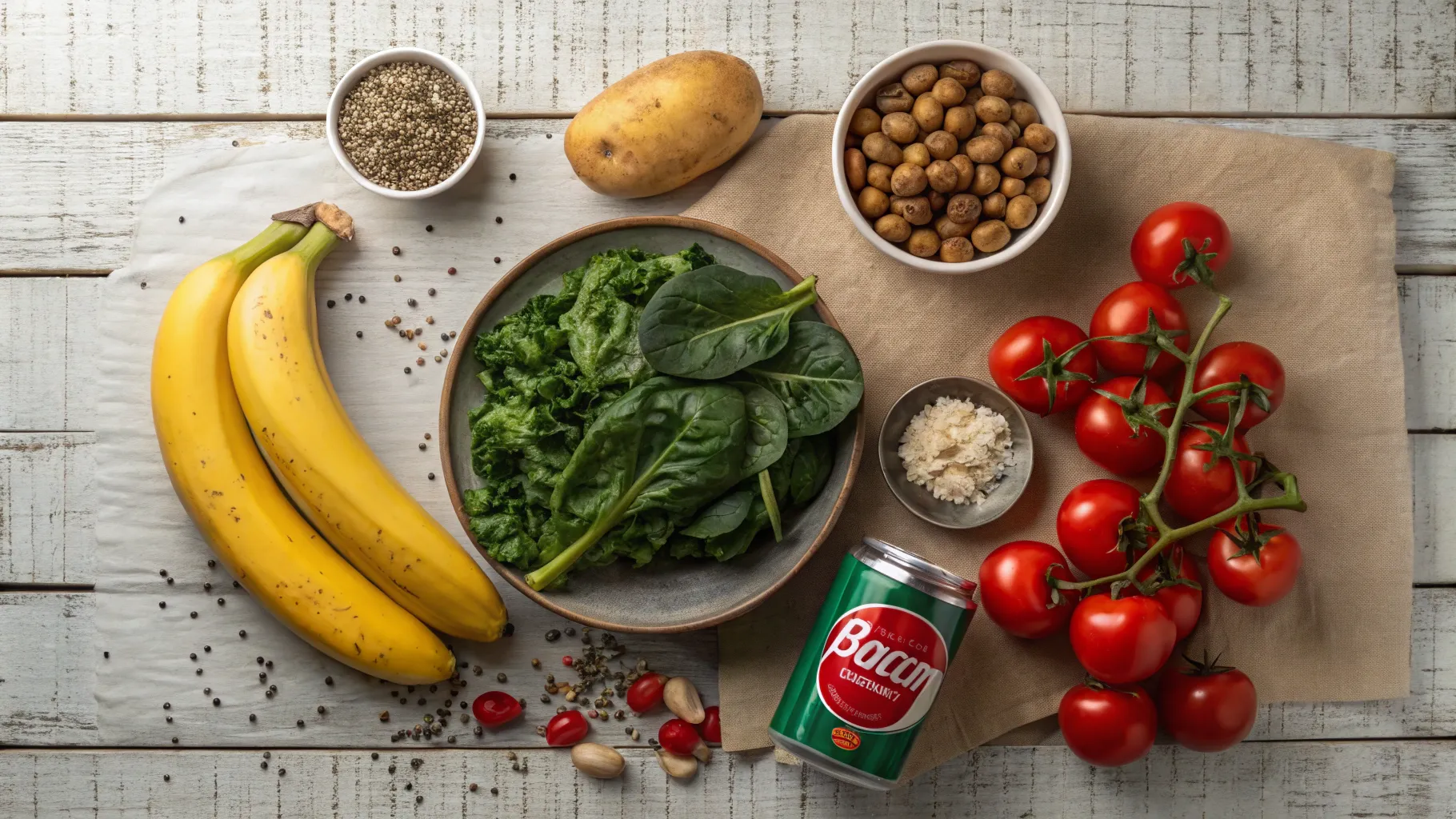
- Bananas: Although they're nutritious, bananas are rich in potassium and can contribute to hyperkalemia. People with kidney disease should be cautious about their intake.
- Potatoes: These tubers typically contain high potassium levels. Boiling can help reduce them, but it's still best for kidney patients to limit their consumption.
- Tomatoes: Often regarded as wholesome, tomatoes are also high in potassium. It's advisable to choose lower-potassium vegetables.
- Dark Leafy Greens: Spinach, Swiss chard, and beet greens are nutrient-dense but contain high potassium and phosphorus levels that can accumulate in those with kidney issues.
- Processed Foods: Many processed foods are high in sodium. This is problematic for kidney patients since sodium can worsen hypertension and lead to fluid retention, both of which are common concerns in CKD.
- Soda: Sugary beverages can harm health generally, but cola and similar drinks contain phosphoric acid, which can elevate phosphorus levels and contribute to kidney damage.
Understanding Potassium and Phosphorus
For kidney patients, managing potassium and phosphorus intake is crucial. Factually, while most adults should aim for a potassium intake of 2,500-3,000 mg daily, those with kidney disease could need a significantly lower threshold based on their specific health situation.
Excessive potassium can lead to dangerous health outcomes, including irregular heart rhythms and muscle weakness. A recent study has shown that about 35% of CKD patients unknowingly consume diets with higher potassium than is safe for them.
Similarly, phosphorus, while needed for maintaining bone integrity, becomes problematic when kidney function declines. In the last six months, experts have advocated for stricter phosphorus management through diet as high levels can lead to cardiovascular diseases.
Healthy Alternatives for Kidney Patients
Amidst the dietary restrictions, patients can still enjoy a variety of delicious and nutritious foods. Here are some kidney-friendly alternatives:
- Berries: Strawberries, blueberries, and raspberries are not only visually appealing but are also low in potassium and packed with antioxidants, making them a smart choice for a sweet treat.
- Apples: These are a great snack choice, high in fiber and low in potassium, making them ideal for balancing blood sugar and reducing cholesterol levels.
- Cauliflower: This versatile vegetable can be mashed, roasted, or used as a rice alternative. It's low in potassium and rich in vitamin C, providing essential nutrients without burdening the kidneys.
- Cabbage: Whether eaten raw in slaws or cooked, cabbage is low in potassium and filled with beneficial nutrients, making it a wise addition to any meal.
- Rice and Pasta: Generally, these grains are considered safe for consumption, provided that you avoid phosphorus-rich sauces. It’s wise to choose white rice over brown rice due to the latter’s higher phosphorus content.
Furthermore, incorporating herbs and spices in cooking can enhance flavors without adding harmful sodium. Fresh or dried herbs like rosemary, thyme, and basil serve as excellent substitutes for salt.
Making Dietary Changes
Adopting a diet that supports kidney health requires careful consideration and sometimes significant changes. Consulting with a registered dietitian or nephrologist can provide tailored guidance, accommodating individual dietary needs and preferences.
Many nutrition plans for kidney patients focus on portion control, regular monitoring, and follow-up lab testing to keep track of kidney function and nutrient levels. For example, the renal diet might recommend a meticulous record of daily food intake, which helps patients and their healthcare teams understand nutritional patterns and make informed adjustments.
Living with kidney disease doesn’t mean that you must give up all your favorite foods. Instead, it's about finding a balance and enjoying a diverse range of healthy choices. The right food decisions can help alleviate symptoms and enhance overall well-being.
Ultimately, each individual's dietary needs vary. A strategy that works for one might not suit another. Staying educated and making informed food choices is essential. After all, your kidneys are working hard for you, and the least you can do is support their efforts by giving them the best fuel possible.