Foods That Naturally Support Healthy Digestion Tips
Foods That Naturally Support Healthy Digestion
In 2025, many of us are becoming increasingly aware of the integral role gut health plays in our overall well-being. A balanced digestive system is not just a matter of comfort; it’s key to thriving health, energy levels, and even mental clarity. Various foods can naturally support healthy digestion, and this article explores these foods while providing practical tips for incorporating them into your everyday meals. Let's dive into the best choices for maintaining a healthy digestive system.
Discover Foods That Support Healthy Digestion
Natural foods, rich in various nutrients, are crucial for keeping our digestive systems in check. Below are categories of foods that significantly contribute to digestive health:
1. Fiber-Rich Foods
Fiber is often referred to as a digestive superhero, and with good reason! It helps in promoting regular bowel movements, reducing the risk of constipation, and supporting overall gut health. Latest statistics indicate that the average person should aim for 25 to 30 grams of fiber per day. However, most people are far below this target. Increasing fiber intake can help mitigate gastrointestinal issues, including diverticulitis, which remains prevalent.
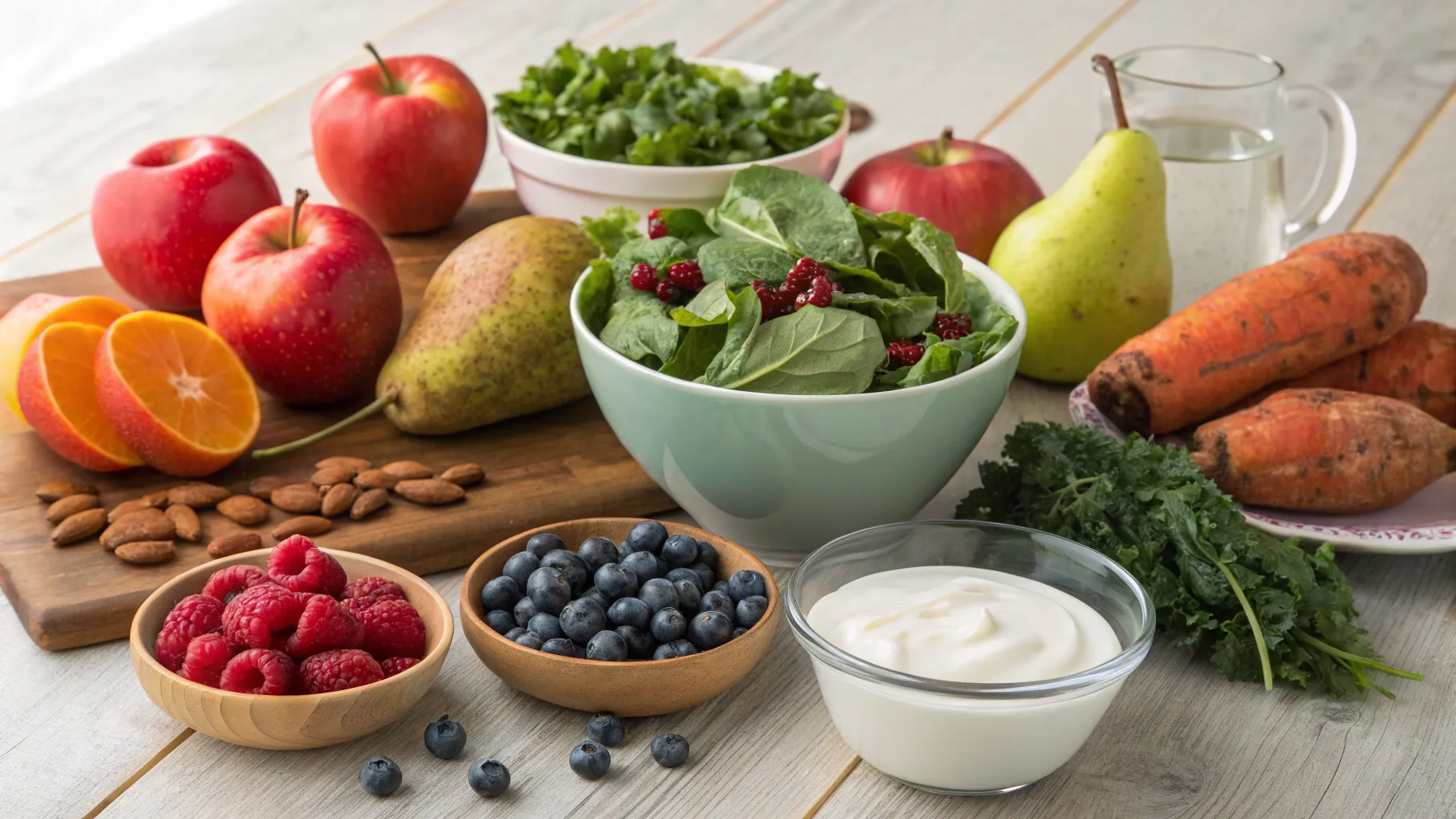
- Fruits: Fruits such as apples, pears, and berries are not just delicious; they are excellent sources of soluble fiber. Soluble fiber can regulate blood sugar levels and foster the growth of beneficial gut bacteria. Currently, enjoying a hearty fruit salad could be one of the easiest ways to boost your fiber intake.
- Vegetables: Leafy greens, carrots, and sweet potatoes come packed with dietary fiber along with a wealth of essential vitamins and minerals. Engaging with a variety of colors in vegetables can also mean a broader range of nutrients in your diet.
- Whole Grains: Foods such as oatmeal, brown rice, and whole wheat bread are rich in insoluble fiber. This type of fiber assists in moving food through the digestive tract and is crucial for a well-functioning digestive system.
2. Hydration and Its Impact on Digestion
Consider this: hydration is perhaps one of the simplest yet most underrated components of digestive health. In 2025, a recent health survey showed that about 63% of participants reported significant improvement in their digestive issues after simply drinking more water. Staying hydrated helps in transporting nutrients and softening stool, making it easier for your body to eliminate waste efficiently.
It’s essential to include hydrating foods in your diet as well. Watermelon, cucumbers, and oranges are not just refreshing; they significantly contribute to your fluid intake. Incorporate these into smoothies or salads for an extra hydration boost. Aim to drink at least eight 8-ounce glasses of water a day, adjusting depending on your activity level and environmental conditions.
Natural Foods for Better Gut Function
Key to digestive health are probiotics and prebiotics, both of which offer numerous benefits while enhancing gut function. Here's a look at foods loaded with these beneficial components:
3. Probiotic Foods
Integrating probiotic-rich foods into your diet can help restore balance in your gut microbiome, which is crucial for alleviating digestive discomfort. In fact, a case study from earlier this year demonstrated that individuals who added probiotics to their diets experienced a marked decrease in bloating and irregularity.
- Yogurt: One of the most popular sources of probiotics, yogurt features live cultures that assist digestion. Choosing Greek yogurt can provide an additional boost of protein, helping to curb cravings and stabilize energy levels.
- Kefir: This fermented drink is a powerhouse of probiotics. Regular consumption has been tied to improved digestive health, with some studies indicating it may even support those with lactose intolerance.
- Fermented Vegetables: Foods like kimchi, sauerkraut, and miso are not only flavorful additions to meals but also promote healthy gut flora, thereby enhancing digestion.
4. Prebiotic Foods
Prebiotics serve as food for the good bacteria in your gut, making them essential for maintaining balance. These fiber-rich foods help cultivate a healthy digestive environment:
- Garlic: Not just for its flavor, garlic is rich in inulin fiber that supports the growth of beneficial gut bacteria.
- Onions: Onions pack a similar prebiotic punch and can contribute significantly to your digestive well-being.
- Asparagus: This green vegetable is another prebiotic champion. It nourishes good bacteria while providing a host of essential nutrients.
Practical Tips for Maintaining Gut Balance Through Nutrition
Incorporating the right foods into your diet is just part of the equation. How you eat also makes a big difference! Here are some tips to enhance your gut health:
- Eat a Variety of Foods: Diversifying your diet ensures you get a broad spectrum of nutrients, essential for maintaining a balanced gut microbiome. Try introducing a new fruit or vegetable each week to keep things interesting.
- Limit Processed Foods: Sugar-rich, processed snacks can upset gut bacteria balance. Being mindful of your intake of such foods can go a long way in maintaining digestive harmony.
- Practice Mindful Eating: Taking your time to chew and relish your food not only enhances enjoyment but also aids digestion. Engaging your senses during meals can lead to better nutrient absorption.
- Regular Meals: Keeping a consistent eating schedule helps in regulating your digestive system. Skipping meals can lead to erratic digestive responses.
- Stay Active: Physical activity is incredibly beneficial for gut health. Engaging in just 30 minutes of moderate exercise most days can promote digestive efficiency.
Maintaining a healthy digestive system is within your reach. By introducing fiber-rich fruits and vegetables, prioritizing hydration, and being mindful of the balance between probiotics and prebiotics, you can significantly boost your digestive health. It’s about creating a holistic approach to what you consume, focusing on whole foods that nourish your body.
As you embark on your journey toward optimal gut health, remember that consistency is key. Rather than drastic changes, aim for gradual, sustainable adjustments in your diet and lifestyle. With these small steps, you can cultivate a healthier digestive system that serves you well now and many years down the road.