Nourishing Your Mind: A Guide to Foods That Support Brain Health
The connection between diet and health is well-established, but specific foods can have a profound impact on the brain's structure and function. Incorporating brain-supportive foods into your daily meals can help maintain memory, focus, and overall cognitive wellness. These nutrient-dense choices provide the building blocks and protection your brain needs to perform at its best throughout your life.
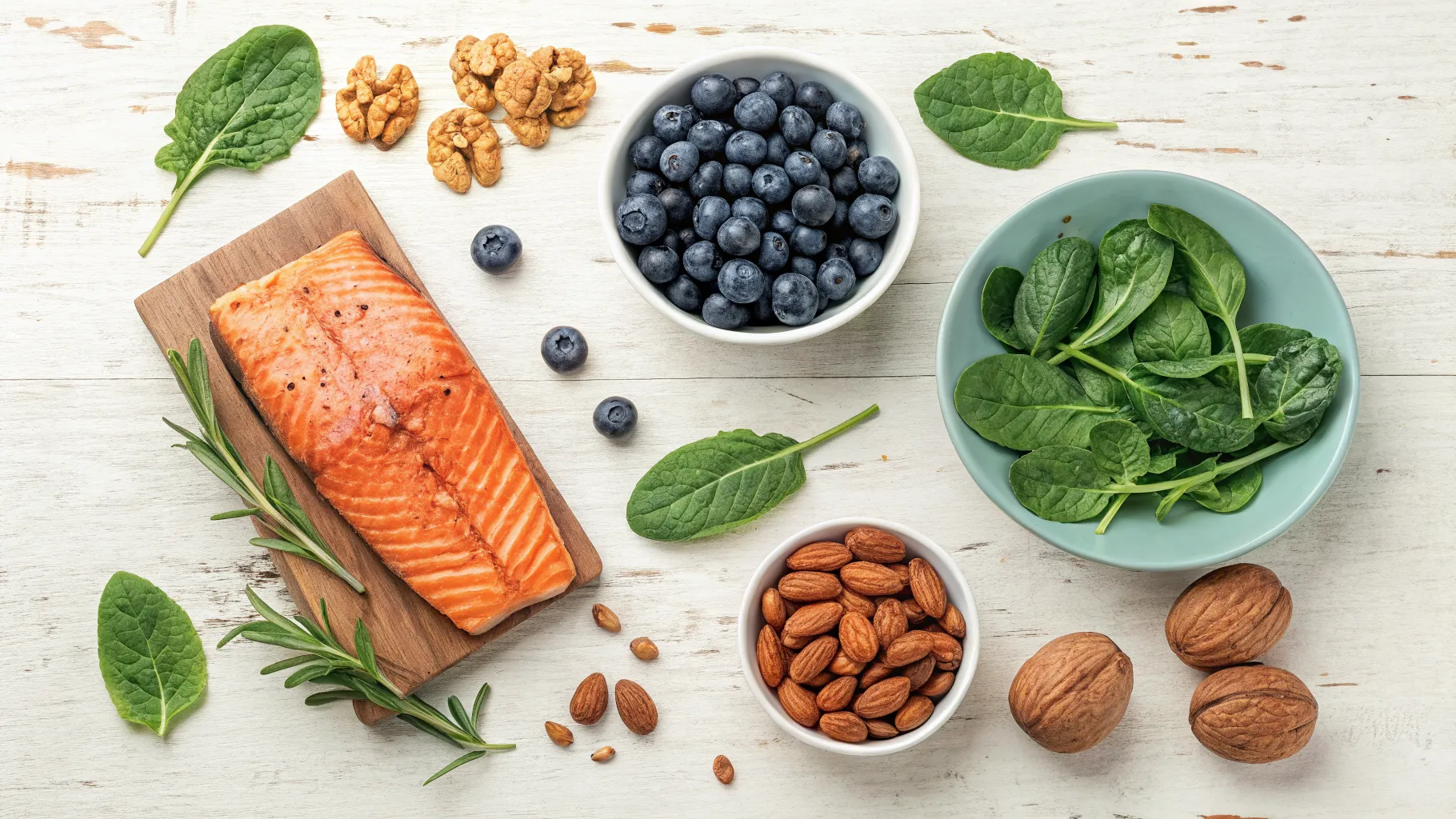
The Importance of Omega-3 Fatty Acids
Omega-3 fatty acids are a type of unsaturated fat that are vital for proper brain function. About 60 percent of your brain is made of fat, and half of that fat is the omega-3 type, specifically docosahexaenoic acid (DHA). Your brain uses DHA to build brain and nerve cells, and these fats are essential for learning and memory. A diet lacking in sufficient omega-3s may be linked to learning impairments and other cognitive issues.
Fatty fish are an excellent source of omega-3s. Consider adding salmon, mackerel, trout, herring, and sardines to your meal rotation. If you don't eat fish, you can find omega-3s in plant-based sources like flaxseeds, chia seeds, and walnuts. These sources provide a different type of omega-3, alpha-linolenic acid (ALA), which the body can convert into DHA and EPA, though the conversion rate can be inefficient. Still, they are a valuable addition to any diet.
Antioxidant-Rich Berries and Dark Chocolate
Berries, particularly those with deep colors like blueberries, blackberries, and strawberries, are packed with flavonoid antioxidants. Antioxidants help by reducing inflammation and oxidative stress, which is an imbalance between free radicals and antioxidants in your body. Oxidative stress can contribute to brain aging and cognitive decline, so consuming antioxidant-rich foods can help counteract these effects. The flavonoids in berries have been found to improve communication between brain cells.
Dark chocolate is another potent source of flavonoids, caffeine, and antioxidants. These compounds may enhance memory and help slow down age-related mental decline. The flavonoids in chocolate gather in the areas of the brain that deal with learning and memory. Look for dark chocolate with a cacao content of 70% or higher to get the most benefit, as it contains more flavonoids and less added sugar than milk chocolate.
Nuts and Seeds for Vitamin E
Nuts and seeds are great sources of vitamin E, a powerful antioxidant that helps protect cell membranes from free radical damage. This protection is particularly important for brain cells. Studies have suggested that a good intake of vitamin E corresponds to slower cognitive decline as people age. A handful of nuts or seeds per day can provide a significant amount of this vital nutrient.
Walnuts are especially beneficial as they also contain omega-3 fatty acids. Almonds, hazelnuts, and sunflower seeds are other excellent choices rich in vitamin E. Beyond this key vitamin, nuts and seeds also offer a mix of healthy fats, protein, and fiber, making them a satisfying and nutrient-dense snack that supports both brain and overall health.
The Power of Leafy Greens and Vegetables
Leafy green vegetables like kale, spinach, and collards are rich in brain-healthy nutrients. They provide several key compounds that have been linked to better cognitive health. Including these vegetables in your diet is a simple way to boost your intake of beneficial nutrients that support long-term brain function. They are versatile and can be easily added to salads, smoothies, or cooked dishes.
These vegetables are loaded with specific nutrients known to support the brain, including:
- Vitamin K: This vitamin is involved in forming sphingolipids, a type of fat that's densely packed into brain cells.
- Lutein: A carotenoid that has been linked to improved cognitive performance.
- Folate: Helps in maintaining normal levels of homocysteine, an amino acid that can be harmful to brain cells at high concentrations.
- Beta-carotene: A powerful antioxidant that the body converts into vitamin A.
Whole Grains for a Steady Energy Supply
Like the rest of your body, your brain needs a steady supply of energy to function correctly. This energy comes in the form of glucose, which is derived from the carbohydrates you eat. The key is to choose the right kind of carbohydrates. Whole grains provide a slow and sustained release of glucose into the bloodstream, helping you maintain concentration and focus throughout the day.
Opt for complex carbohydrates found in whole-grain breads, brown rice, barley, bulgur wheat, oatmeal, and quinoa. These foods have a low glycemic index, meaning they don't cause the sharp spikes and crashes in blood sugar associated with refined carbohydrates like white bread and sugary snacks. This stable energy supply is crucial for optimal mental alertness and performance.
Turmeric and Its Active Compound
Turmeric, the golden spice often found in curry powder, has generated significant interest for its brain benefits. The main active ingredient in turmeric is curcumin, a compound with strong anti-inflammatory and antioxidant properties. Because it can cross the blood-brain barrier, it can directly enter the brain and benefit the cells there. It's a powerful compound that helps clear amyloid plaques, which are a hallmark of certain neurodegenerative conditions.
Curcumin has also been shown to boost brain-derived neurotrophic factor (BDNF), a type of growth hormone that functions in the brain. BDNF plays a role in the growth of new neurons and can help delay age-related mental decline. To improve the absorption of curcumin, it's often helpful to consume it with a pinch of black pepper, which contains piperine, a substance that enhances curcumin absorption significantly.