Foods That Help Ease Digestive Inflammation: Your Ultimate Gut Diet Guide
Facts:
- Digestive inflammation affects millions of people globally.
- A focus on whole foods is a key trend for a gut inflammation diet.
Understanding the Role of Diet in Calming Digestive Inflammation
Navigating the discomfort of an inflamed digestive system can be challenging, but the power to find relief often lies on your plate. Adopting a targeted gut inflammation diet is one of the most effective strategies for managing symptoms and promoting long-term intestinal health. By carefully selecting specific foods to reduce digestive inflammation, you can actively support your body's natural healing processes, reduce painful flare-ups, and enhance your overall well-being. This guide will explore the key dietary components and digestive inflammation foods that can help you achieve a calmer, healthier gut.
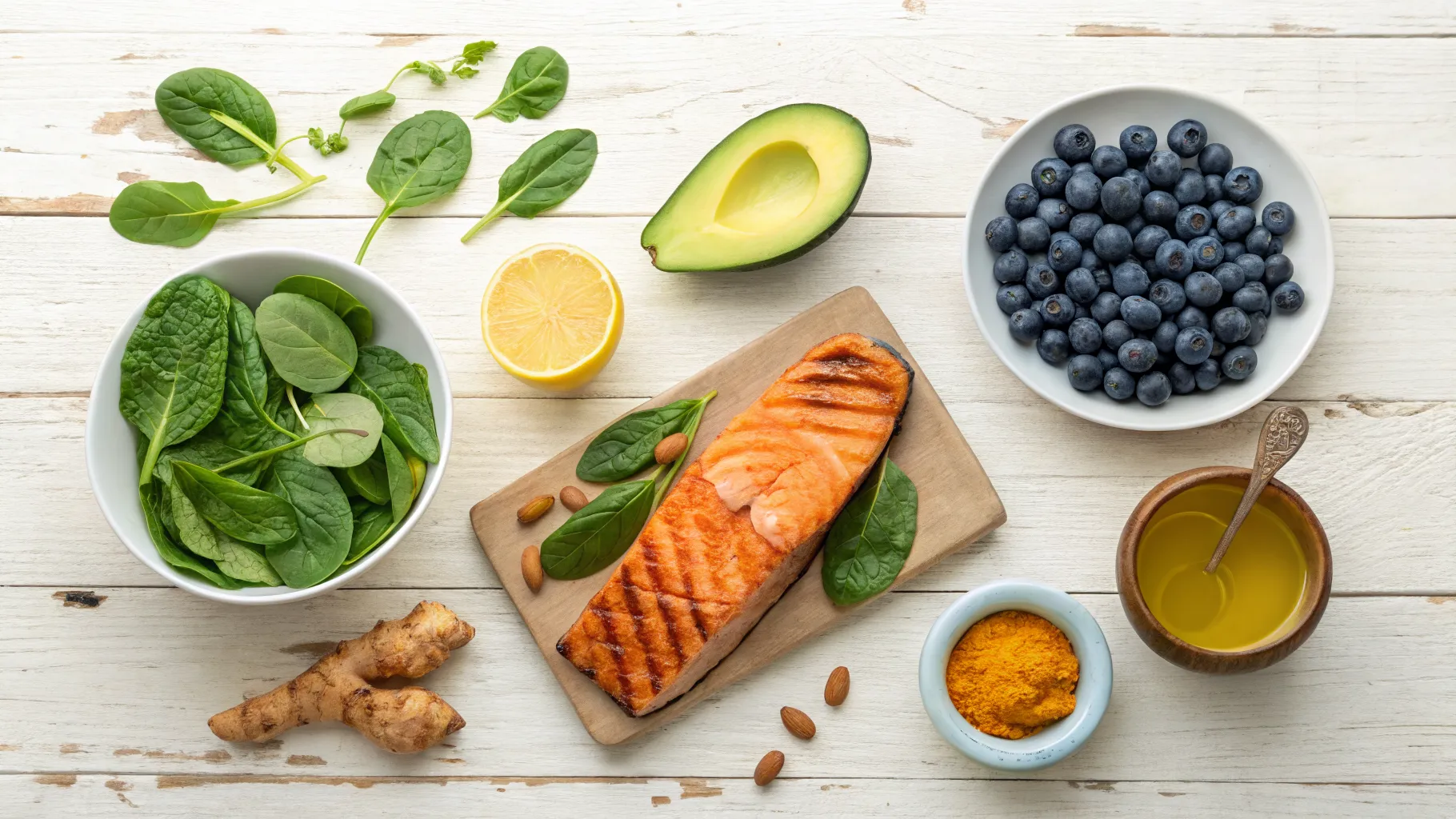
Top Anti-Inflammatory Foods for Gut Health
Incorporating the right nutrients is the cornerstone of managing digestive health. Focusing on whole, unprocessed foods packed with anti-inflammatory compounds can make a significant difference. These powerhouse anti inflammatory gut foods work by reducing oxidative stress, supporting a healthy gut microbiome, and calming the inflammatory response systemically. Making them a regular part of your meals is a proactive step to soothe gut inflammation.
Omega-3 Rich Fatty Fish
Fatty fish like salmon, mackerel, sardines, and anchovies are celebrated for their high concentration of omega-3 fatty acids, specifically EPA and DHA. These fats are potent anti-inflammatory agents that can help decrease the production of substances linked to inflammation. Regular consumption is a key strategy in any effective gut inflammation diet, helping to protect the intestinal lining and reduce symptoms associated with chronic gut conditions.
Leafy Green Vegetables
Greens such as spinach, kale, and Swiss chard are nutritional powerhouses. They are rich in antioxidants, vitamins, and minerals that combat cellular stress. These vegetables are excellent digestive inflammation foods because they contain compounds that help protect the gut from damage. Their fiber content also feeds beneficial gut bacteria, which play a crucial role in maintaining a balanced and non-inflamed digestive tract.
Berries and Cherries
Berries and cherries are loaded with antioxidants called anthocyanins, which give them their vibrant red, blue, and purple colors. These compounds have been shown to have powerful anti-inflammatory effects. Including a variety of berries in your diet is a delicious way to consume anti inflammatory gut foods that help neutralize free radicals and lower inflammatory markers throughout the body, including the digestive system.
Turmeric and Ginger
These spices have been used for centuries in traditional medicine to treat a wide range of ailments. Turmeric contains curcumin, and ginger contains gingerol, both of which are potent bioactive substances that fight inflammation at a molecular level. Adding these spices to your meals is a simple yet effective method to soothe gut inflammation and improve digestive comfort.
Fermented Foods
Foods like yogurt, kefir, sauerkraut, and kimchi are rich in probiotics. These beneficial bacteria are essential for a healthy gut microbiome. A balanced microbiome helps regulate the immune system and control inflammation in the gut. Incorporating these fermented options is a vital part of a comprehensive list of foods to reduce digestive inflammation, as they directly support the gut's first line of defense.
Foods to Limit When Fighting Digestive Inflammation
Just as important as adding beneficial foods is knowing which ones to avoid. Certain foods can trigger or worsen inflammation, undermining your efforts to heal. A successful gut inflammation diet requires minimizing or eliminating processed items, refined sugars, and unhealthy fats. These foods can disrupt the gut microbiome, increase intestinal permeability (leaky gut), and promote a chronic inflammatory state that prevents you from finding relief and being able to soothe gut inflammation.
Building Your Actionable Anti-Inflammatory Meal Plan
Creating a sustainable diet plan is about more than just a list of foods; it's about building healthy habits. Here are actionable steps to integrate these principles into your daily life.
- Prioritize Whole Foods: Build your meals around unprocessed ingredients like fresh vegetables, fruits, lean proteins, and healthy fats. This is the foundation of any diet rich in digestive inflammation foods.
- Stay Well-Hydrated: Water is essential for proper digestion, nutrient absorption, and flushing out toxins. Aim for at least eight glasses a day to support your gut health.
- Focus on Fiber: Incorporate soluble fiber from sources like oats, apples, and carrots. It can help soothe gut inflammation by forming a gel-like substance in the digestive tract.
- Cook Mindfully: Opt for cooking methods like steaming, baking, or grilling instead of frying. This helps preserve the nutrients in your anti inflammatory gut foods and avoids the creation of inflammatory compounds.
Lifestyle Adjustments to Support Gut Healing
Diet is a major component, but a holistic approach yields the best results. Chronic stress, poor sleep, and a sedentary lifestyle can all contribute to inflammation, counteracting the benefits of even the best gut inflammation diet. Managing stress through mindfulness or yoga, ensuring 7-9 hours of quality sleep per night, and engaging in regular, gentle exercise can significantly enhance your body's ability to heal and reduce overall inflammation.
Frequently Asked Questions
How quickly can I see results from a gut inflammation diet?
While individual results vary, many people start to notice improvements in symptoms like bloating and discomfort within a few weeks of consistently eating foods to reduce digestive inflammation. Long-term benefits for gut health build over months.
Are all high-fiber foods good for digestive inflammation?
Not necessarily. While fiber is important, some individuals with active inflammation may find certain types of fiber (like insoluble fiber in raw vegetables) irritating. It's often best to focus on soluble fiber from sources like oats, avocados, and psyllium husk to soothe gut inflammation initially.
Can I still eat red meat on an anti-inflammatory diet?
It's generally recommended to limit red and processed meats as they can be pro-inflammatory. When choosing your digestive inflammation foods, opt for lean poultry and fatty fish as your primary protein sources. If you do eat red meat, choose grass-fed options in moderation.
References
- Journal of Gastroenterology and Hepatology: "Dietary Patterns and Inflammatory Bowel Disease."
- Nutrients Journal: "The Role of Omega-3 Fatty Acids in Gut Health."
- American Society for Nutrition: "Gut Microbiome and Diet-Induced Inflammation."