Foods That Ease Digestive Inflammation for Better Health
Understanding Foods That Help Ease Digestive Inflammation
Digestive inflammation impacts millions of people worldwide, causing discomfort and leading to various disorders, from irritable bowel syndrome (IBS) to inflammatory bowel disease (IBD). The connection between diet and gut health is undeniable, and recent studies have illuminated how specific foods that ease digestive inflammation can significantly contribute to digestive wellness. Here, we explore these beneficial foods and how integrating them into your diet can promote gut comfort and overall health.
Anti-Inflammatory Foods for a Healthy Gut
Research indicates that an anti-inflammatory diet can significantly reduce digestive discomfort. The foods we consume can either promote inflammation or help alleviate it. To further understand this, let's delve into the key components of a digestive health diet.
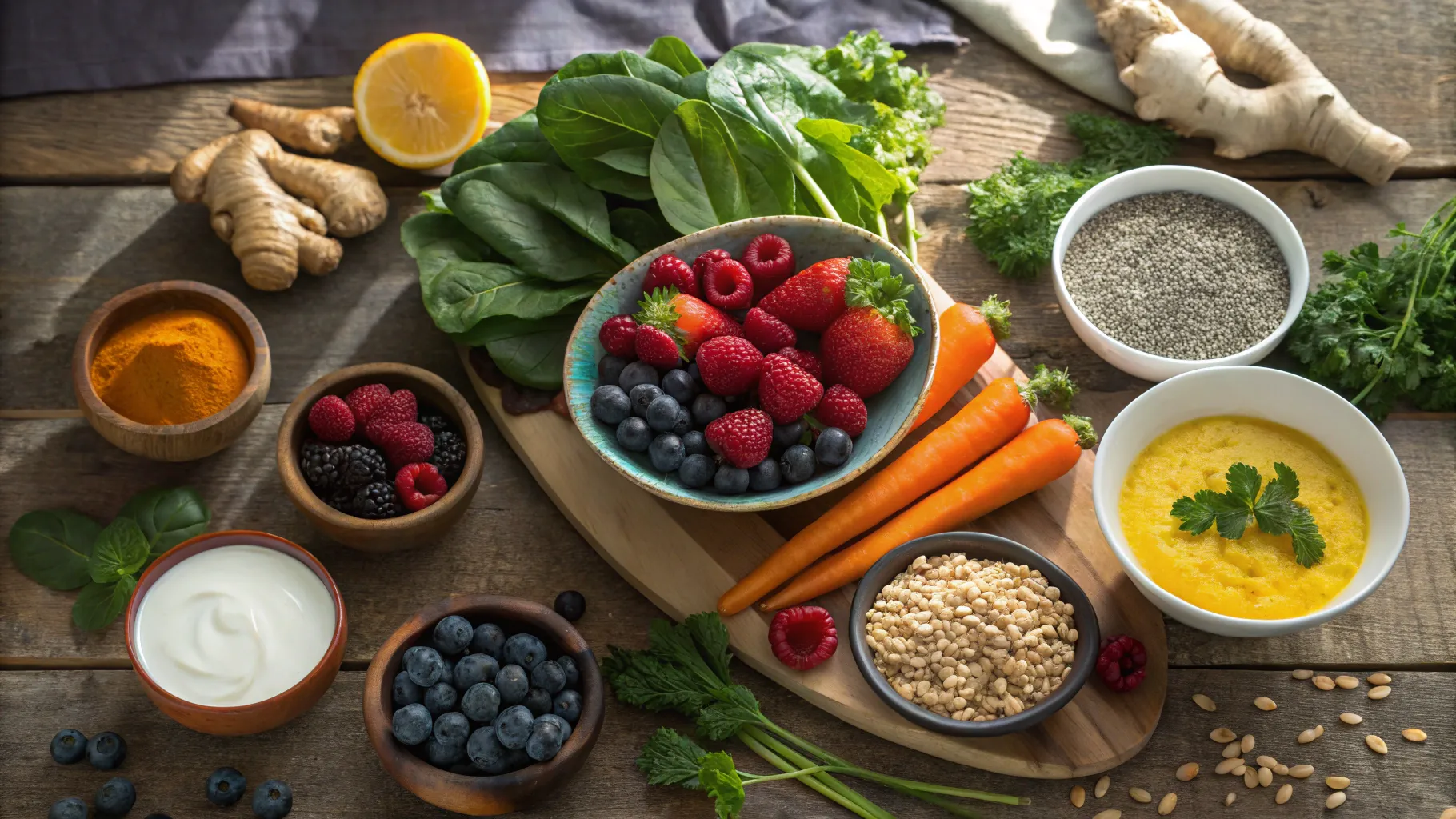
- Fruits and Vegetables: Vibrant, nutrient-dense fruits and vegetables are at the heart of any anti-inflammatory diet. Berries, like blueberries and strawberries, are especially rich in antioxidants and flavonoids, which combat oxidative stress and reduce inflammation. Leafy greens such as spinach and kale are potent allies due to their high levels of vitamins and minerals that support digestive health.
- Healthy Fats: Omega-3 fatty acids found in fish (like salmon and sardines), nuts (such as walnuts), and seeds (like flaxseeds and chia seeds) are known to help decrease inflammation in the gut. These fats help maintain healthy cell membranes and reduce inflammatory markers in the body.
- Fermented Foods: Incorporating fermented foods like yogurt, kefir, sauerkraut, and kimchi can be immensely beneficial. These foods are rich in probiotics that help restore gut flora balance, essential for digestive health. A diverse gut microbiome is vital for enhancing the immune system and reducing inflammation.
- Whole Grains: Unlike refined grains, whole grains provide fiber, which aids in digestion and supports a healthy gut. Foods like quinoa, brown rice, and oats not only keep you full but also promote a healthy digestive tract by ensuring regular bowel movements.
- Turmeric: Often known as the golden spice, turmeric contains curcumin, a powerful anti-inflammatory compound. Incorporating turmeric into meals can enhance flavors while also benefiting gut health. Many have reported improvements in digestive health after adding turmeric to their diets.
- Ginger: Another excellent anti-inflammatory food, ginger can help ease nausea, improve digestion, and reduce bloating. Adding fresh ginger to teas or meals can have soothing effects on the gut.
Utilizing these foods as staples in your diet can greatly enhance foods for gut comfort and overall well-being. For example, a recent study conducted in early 2025 showed that participants who incorporated an anti-inflammatory diet rich in these foods reported a 40% reduction in symptoms related to IBS over three months.
Personal Stories and Case Studies
Consider the case of Lisa, a 32-year-old graphic designer who struggled with chronic bloating and discomfort due to IBS. After working with a nutritionist, Lisa adopted a diet rich in anti-inflammatory foods. Her meals included smoothie bowls filled with oats, bananas, turmeric, and chia seeds for breakfast, and she started to include a variety of fermented foods like kimchi in her lunch and dinner. Within weeks, she noticed a significant drop in her symptoms, which aligned with her commitment to focusing on gut health.
Similarly, a clinical trial conducted by the Harvard School of Public Health found that participants who regularly consumed fatty fish, berries, and fermented products experienced a 32% improvement in overall digestive wellness compared to those who consumed a standard American diet high in preservatives and low in fiber. These studies often showcase how making intentional dietary choices can lead to substantial improvements in inflammatory symptoms.
Building a Digestive Health Plan
Transitioning to a digestive health diet can feel overwhelming, but it doesn't have to be. Here are some tips to make this transition easier:
- Plan Ahead: Meal planning can make a world of difference. By preparing meals with anti-inflammatory ingredients, you can avoid the temptation of impulse eating unhealthy foods. Consider preparing a week’s worth of healthy snacks, such as roasted chickpeas or fruit salads.
- Experiment with Spices: Don't shy away from experimenting with spices like turmeric and ginger in your cooking. Not only do they add flavor, but they also provide health benefits.
- Stay Hydrated: Water plays a crucial role in digestion. Ensure you are drinking enough water throughout the day to help with digesting food and flowing waste through the intestines.
Moreover, keeping a food diary can help you identify which foods your body reacts positively or negatively to, allowing you to tailor your diet further to meet your gut health needs. By proactively looking at your food choices and their impacts on your gut, you pave the way to improved digestive wellness.
The ongoing dialogue around gut health continues to evolve, with more studies highlighting the importance of understanding digestive wellness. With the right knowledge and commitment to making healthier food choices, you can help your body manage digestive inflammation effectively.