A 2025 Guide to Foods That Can Prevent Dementia
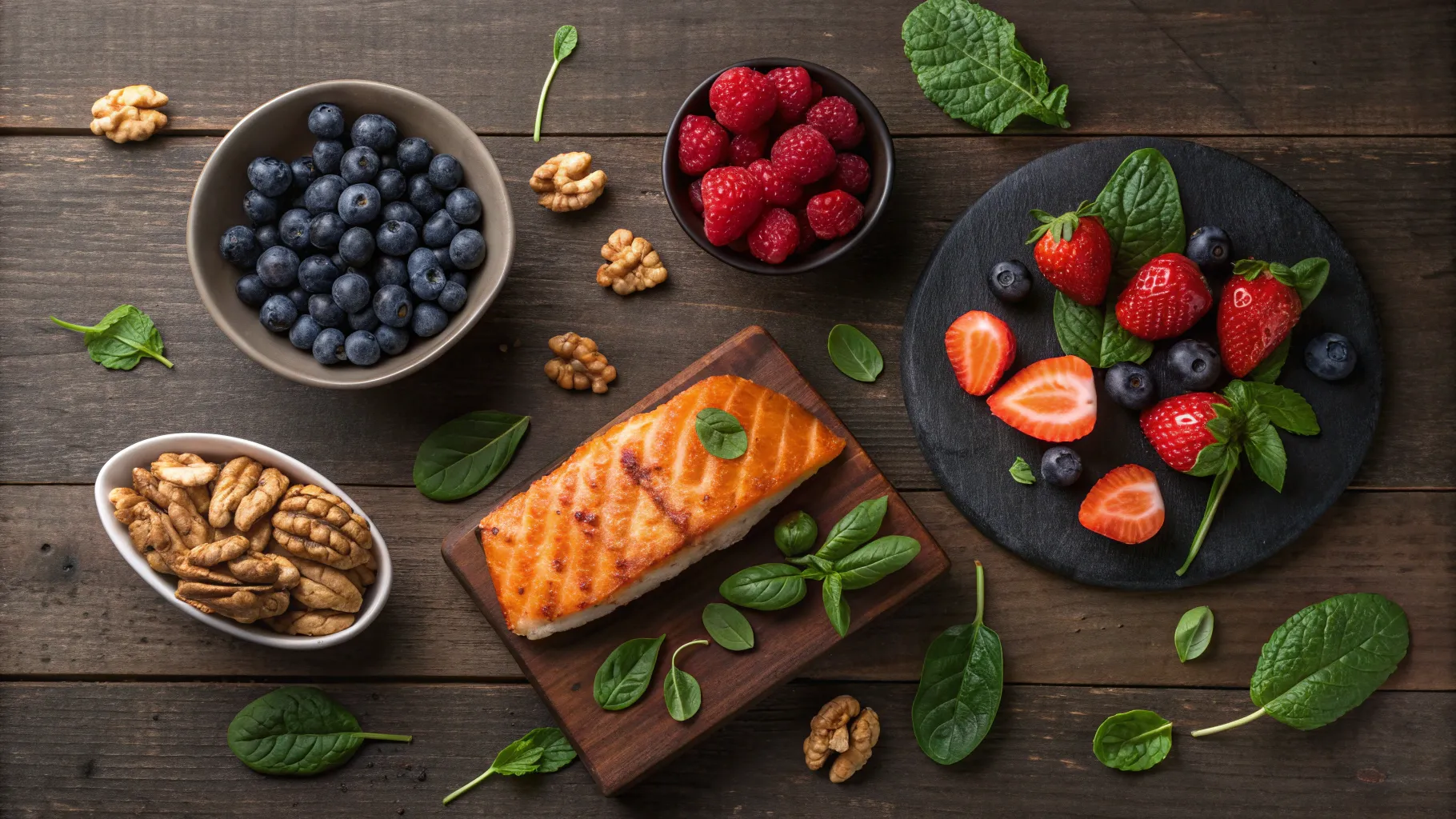
As we navigate through 2025, the focus on proactive health measures has never been more critical, especially when it comes to cognitive longevity. A growing body of research highlights a significant connection between diet and brain health, offering promising strategies for mitigating the risk of cognitive decline. Understanding foods that can prevent dementia is a powerful step towards safeguarding our mental acuity for years to come.
The MIND Diet: A Fusion for Brain Health
One of the most researched dietary patterns for cognitive wellness is the MIND (Mediterranean-DASH Intervention for Neurodegenerative Delay) diet. It combines aspects of the Mediterranean and DASH diets, emphasizing foods that have been shown to support brain function. This approach focuses on natural, plant-based foods while limiting red meat, saturated fats, and sweets. Following this diet is a practical way of consuming foods that may help with dementia prevention.
Key Brain-Healthy Foods to Embrace
Incorporating specific food groups into your weekly routine can make a substantial difference. These categories are celebrated for their nutrient profiles that directly benefit brain cells and reduce inflammation.
Leafy Green Vegetables
Strong>Leafy greens like kale, spinach, and collards are packed with brain-boosting nutrients such as vitamin K, lutein, folate, and beta-carotene. Aim for at least six servings per week to maximize their benefits.
Berries and Colorful Fruits
Berries are rich in flavonoids, natural pigments that give them their vibrant hues. These compounds are excellent antioxidants and are considered powerful foods linked to memory support. Enjoy a variety of berries at least twice a week.
Fatty Fish
Fish like salmon, mackerel, and sardines are prime sources of omega-3 fatty acids, which are crucial for building cell membranes in the brain. Consuming fish at least once a week is recommended for its neuroprotective effects.
The Power of Nuts and Olive Oil
Healthy fats are essential for a healthy mind. Nuts, particularly walnuts, are excellent sources of protein and healthy fats. Extra virgin olive oil, a staple in the Mediterranean diet, is another fantastic source of healthy fats and antioxidants. These are foundational brain-healthy foods that are easy to add to salads, snacks, and main courses.
Practical Ways to Eat for Memory Support
Integrating these foods doesn't have to be complicated. Simple swaps can have a big impact.
- Start your day with a smoothie containing spinach and a handful of blueberries.
- Snack on a small portion of mixed nuts instead of processed snacks.
- Use extra virgin olive oil as your primary cooking oil and salad dressing base.
- Commit to a "Meatless Monday" and feature a bean or lentil-based dish.
By focusing on these foods for memory support, you're not just eating for today but investing in your cognitive health for tomorrow. A proactive approach in 2025 is the best defense against age-related cognitive decline.
References:
https://www.mayoclinic.org/diseases-conditions/alzheimers-disease/in-depth/alzheimers-prevention/art-20044903
https://www.alz.org/help-support/brain_health/brain_health_food
https://www.health.harvard.edu/mind-and-mood/foods-linked-to-better-brainpower