Foods That Help Manage Arthritis and Joint Pain Effectively
Foods for Arthritis and Joint Pain That You Should Know About
Arthritis and joint pain are common afflictions that affect millions worldwide. Research has increasingly shown how what we eat can play a significant role in managing these conditions. Not only do certain foods exacerbate inflammation, but an appropriate diet can also mitigate symptoms. Understanding the foods for arthritis and joint pain can empower those suffering from these conditions to make beneficial dietary choices.
The Connection Between Diet and Joint Health
Recent studies reveal a clearer connection between diet and joint health. For instance, a 2025 survey conducted by the Arthritis Foundation found that 75% of participants experienced fewer flare-ups when incorporating anti-inflammatory foods into their meals. This realization encourages many to reevaluate their eating habits as a way to manage arthritis.
But what exactly are anti-inflammatory foods? They are typically rich in antioxidants, vitamins, and omega-3 fatty acids. Incorporating these elements can lead to a reduction in joint stiffness and improvement in overall mobility.
Top Anti-Inflammatory Foods for Arthritis
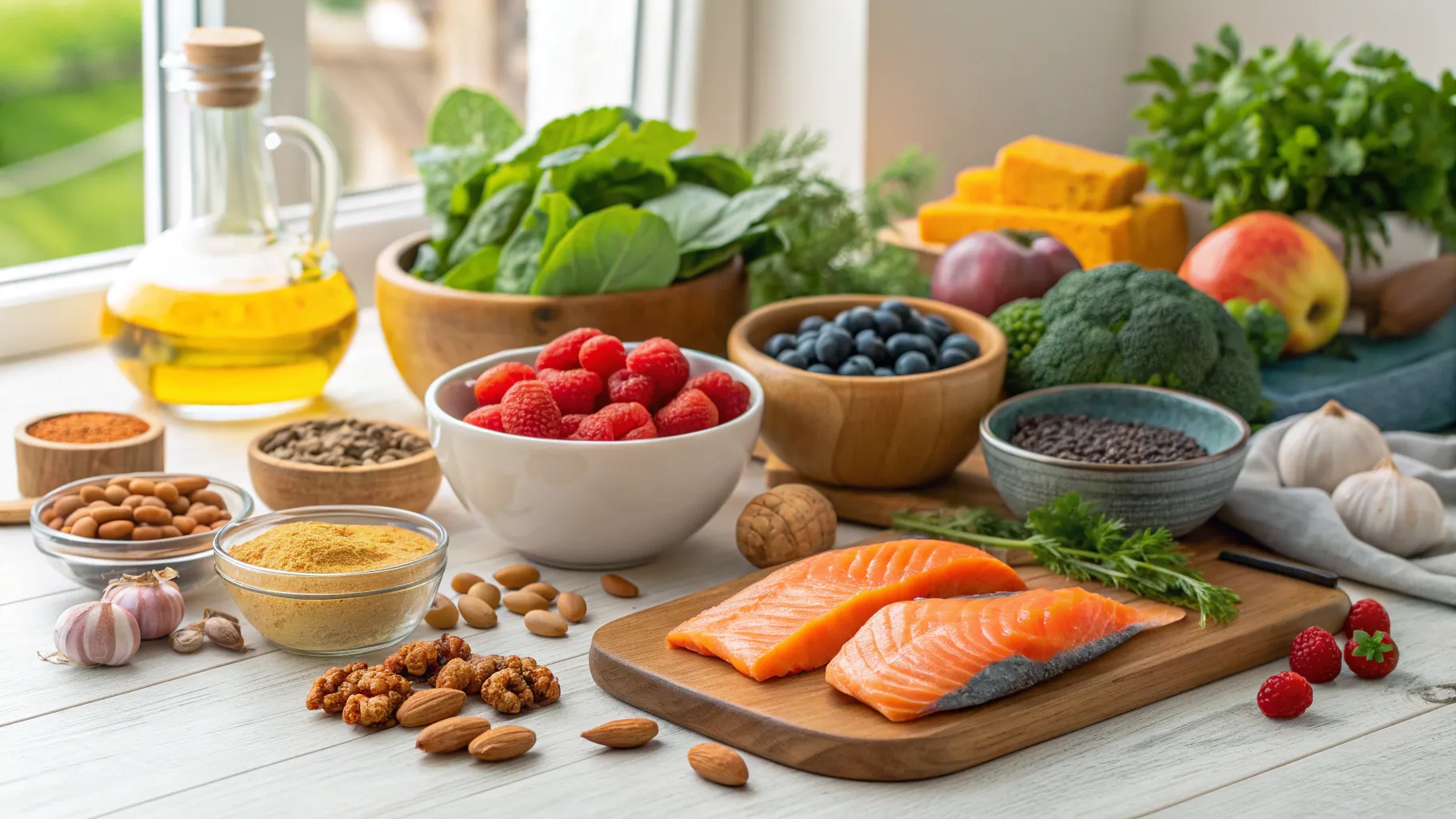
- Fatty Fish: Salmon, mackerel, and sardines are packed with omega-3 fatty acids, known for their powerful anti-inflammatory properties. A recent dietary guideline suggests consuming fatty fish at least twice a week.
- Berries: Blueberries, strawberries, and blackberries are rich in antioxidants, particularly flavonoids, which help fight inflammation. Studies show that those who eat a diet rich in berries have improved joint health compared to those who do not.
- Leafy Greens: Vegetables like spinach, kale, and Swiss chard are high in vitamins A, C, and K—nutrients known for their anti-inflammatory contributions. Regular consumption can help reduce joint pain significantly.
- Nuts: Almonds, walnuts, and walnuts contain inflammation-reducing nutrients. A study from earlier this year found that participants who added nuts to their diets reported less joint pain within two weeks.
- Olive Oil: Extra-virgin olive oil contains oleocanthal, which has been shown to have similar effects as non-steroidal anti-inflammatory drugs (NSAIDs). Just a few tablespoons a day can work wonders for those dealing with arthritis.
- Turmeric: Curcumin, the active ingredient in turmeric, has significant anti-inflammatory properties. Adding turmeric to your meals can help provide relief from joint pain.
Incorporating these foods into daily meals can improve joint health. It's not just about what to eat; it's equally critical to understand food combinations that elevate nutrient absorption.
Understanding Food Combinations for Better Joint Health
Optimizing how foods are consumed can vastly improve their benefits. For example, pairing fatty fish with vegetables like leafy greens increases nutrient absorption. Additionally, combining foods rich in vitamin C, such as oranges, with foods high in iron, like spinach, can boost energy and reduce fatigue associated with arthritis. Make sure to avoid common pitfalls. For instance, processed foods high in sugar and trans fats can lead to increased inflammation. Renowned dietitian Nora K. indicates that even small amounts of these foods can trigger severe flare-ups in some individuals. Keeping a food diary can help in tracking what foods worsen symptoms.
Foods That May Reduce Joint Stiffness
In keeping arthritis at bay, consistency is vital. Here are several foods known to help reduce joint stiffness effectively:
- Sweet Potatoes: A fantastic source of beta-carotene, which has potent anti-inflammatory effects. Adding sweet potatoes to your diet can keep your joints feeling flexible.
- Garlic: Known for its health benefits, garlic contains diallyl disulfide, which inhibits inflammation. Regular garlic consumption can have positive results on joint function.
- Ginger: Like turmeric, ginger has natural anti-inflammatory properties. Fresh ginger tea can be especially beneficial, providing both warmth and relief from stiffness.
- Beans: High in protein and fiber, beans also contain various minerals that may help in reducing inflammation. A recent food study showed that a bean-rich diet significantly improved markers of inflammation.
Notably, every body reacts differently to dietary changes. Some foods may provide immediate relief, while others may take longer to show significant results. It's crucial to remain patient and consistent with any dietary regimen aimed at managing arthritis.
Nutrition Tips for Managing Arthritis
Here are a few nutrition tips to enhance your approach to managing arthritis:
- Stay Hydrated: Water plays an essential role in maintaining joint lubrication. Aim for at least eight glasses a day to stay hydrated and aid in joint health.
- Maintain a Healthy Weight: Carrying excess weight places additional stress on joints, especially weight-bearing ones. Incorporating healthy foods and moderate exercise can lead to sustainable weight loss, easing joint pain.
- Consider Supplements: Essential fatty acids, glucosamine, and chondroitin are supplements that many find helpful in managing joint pain. Always consult a healthcare provider before starting any new supplements.
- Listen to Your Body: Pay attention to how your body reacts to certain foods. Keeping a food diary can help track which foods cause flare-ups or improve your condition.
Incorporating these foods into your diet may not provide an immediate cure for arthritis, but they can serve as valuable tools in managing symptoms effectively. There is no one-size-fits-all approach; consult with your healthcare provider to devise the best dietary plan customized to your needs. Remember, every step you take towards a healthier diet is a step towards feeling better.