Foods for Better Joint and Bone Health Tips and Nutrients
What to Eat for Better Joint and Bone Health
Taking care of your joints and bones is crucial for maintaining an active and vibrant lifestyle, especially as we age. Developing a diet rich in nutrients that support bone strength and joint flexibility is essential for lifelong mobility. In this article, we explore what foods to eat for better joint and bone health, discover the best nutrients for comfort and flexibility, and learn how elements like calcium and vitamin D contribute significantly to overall bone wellness.
Foods That Naturally Support Joint Function
Your diet plays a pivotal role in how your joints perform daily. Several foods are particularly beneficial for joint function. Including more of these in your meals can make a positive impact on how you feel.
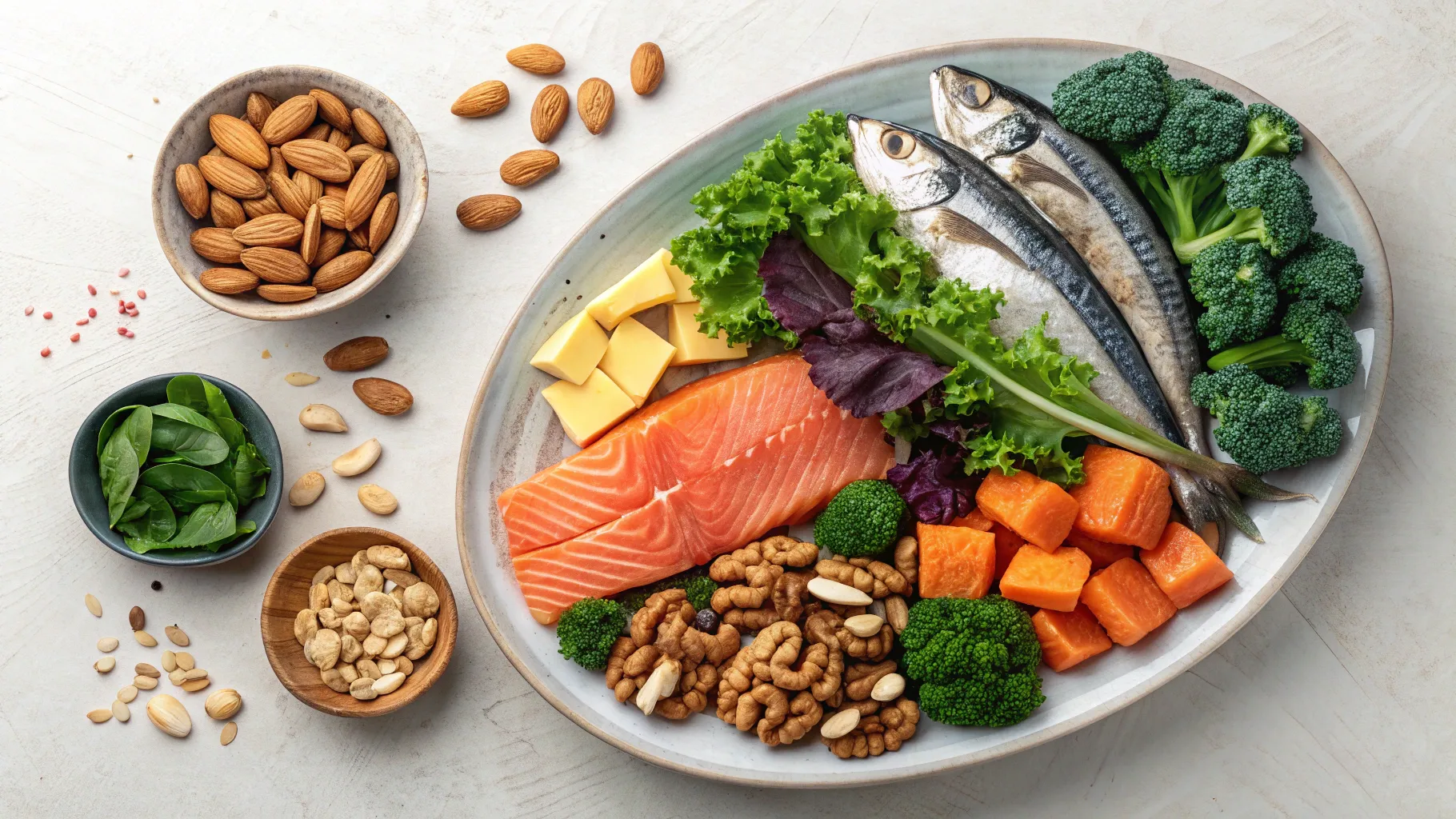
- Fatty Fish: Salmon, sardines, and mackerel are abundant in omega-3 fatty acids, which help reduce inflammation in the body. Studies have shown that individuals who consume omega-3 rich foods experience lower joint pain levels and decreased stiffness.
- Leafy Greens: Kale, spinach, and broccoli are not just good for overall health but are also loaded with antioxidants and anti-inflammatory compounds. These leafy greens contain vitamins K and C, which support bone health by enhancing calcium absorption and bone mineralization.
- Nuts and Seeds: Almonds, walnuts, and flaxseeds provide healthy fats that help protect joints. They also contain vitamin E, which plays a crucial role in reducing inflammation and promoting joint health.
- Olive Oil: Known for its heart-healthy benefits, extra virgin olive oil also contains oleocanthal which can inhibit inflammatory pathways in the same way NSAIDs do. Regular consumption may lead to reduced joint pain over time.
- Beans and Legumes: These are excellent sources of protein and contain fiber which is good for joint health. They also have phytonutrients that can reduce inflammation and improve overall joint function.
The Best Nutrients for Joint Flexibility and Comfort
In addition to whole foods, certain nutrients stand out as essential for maintaining the flexibility and comfort of our joints. Understanding these can help you make better dietary choices.
- Calcium: Calcium is fundamental for bone health as it makes up a substantial component of bone mass. The National Institute of Health recommends adults to consume about 1,000 to 1,200 mg of calcium daily depending on age and gender. Dairy products, fortified plant-based milks, and green vegetables like bok choy are excellent sources.
- Vitamin D: This vitamin enhances calcium absorption in the gut. Without adequate vitamin D, bones can become thin and brittle. The body produces vitamin D when exposed to sunlight, but many people may need supplements or dietary sources like fortified foods and fatty fish to reach the recommended daily intake of 600 to 800 IU.
- Collagen: Collagen is a vital protein that aids in joint and cartilage integrity. Consuming bone broth or collagen supplements can boost your body's collagen levels which may improve joint function and decrease pain in conditions like arthritis.
- Glucosamine and Chondroitin: These supplements have gained notoriety for their potential to support joint health by helping to protect cartilage. Some studies suggest they may reduce pain in individuals with osteoarthritis, making them worth considering as part of your diet.
Incorporating these nutrients into your diet isn’t about restrictive eating; it's about making wholesome choices that allow you to enjoy your meals while improving your health.
How Calcium and Vitamin D Affect Bone Health
Calcium and vitamin D work hand in hand to keep your bones healthy. Calcium is the building block of bone tissue, whereas vitamin D is the key that unlocks calcium absorption in the body. Recent research from the National Institutes of Health concludes that individuals with adequate vitamin D levels have better bone density and lower fracture risks compared to those lacking sufficient vitamin D.
In adults, an alarming statistic to note is that approximately 50% of all fractures among seniors are due to osteoporosis, a disease characterized by low bone density. Regularly including calcium-rich foods in your diet lowers the risk of developing osteoporosis as you age.
Moreover, a balanced diet rich in both calcium and vitamin D enables your body to maintain healthy bone turnover and supports the ongoing remodeling process needed for strong bones. Foods such as salmon, sardines, fortified cereals, and even sunlight exposure can help ensure you meet your daily requirements.
The Role of Diet in Cartilage Protection
Another area of interest regarding joint health is cartilage protection. Cartilage is the cushioning material around joints, and maintaining its integrity is vital for preventing pain and improving mobility. Consuming foods rich in antioxidants can help combat oxidative stress, a factor known to contribute to cartilage degradation.
- Blueberries: This small fruit is a powerhouse of antioxidants, especially anthocyanins, that may help combat inflammation and bolster cartilage health.
- Sweet Potatoes: Rich in beta-carotene, sweet potatoes can also help in reducing inflammation, making them a great addition to any meal.
- Green Tea: This beverage contains polyphenols, specifically epigallocatechin gallate (EGCG), which have shown promise in protecting cartilage and reducing inflammation.
Regularly incorporating these foods into your diet can significantly enhance joint health and function. Maintaining the health of your cartilage hinges not only on what you consume but also on holistic practices such as regular physical activity, avoiding smoking, and maintaining a healthy weight. Together, these contribute to better joint health.
Your journey toward better joint and bone health starts with the food you choose to eat. By focusing on a nutrient-rich diet, integrating beneficial foods, and ensuring you meet your calcium and vitamin D requirements, you set yourself on the path to improved mobility and quality of life. Remember it’s not just about one nutrient or food, but rather the combination of various components that work synergistically to support your overall well-being.