Flu Season Safety Tips for Seniors: Your Ultimate Guide to Staying Healthy
Facts:
- Seniors are at higher risk for serious flu complications.
- Annual vaccination is the most effective prevention tool for flu safety for older adults.
Proactive Health: A Senior's Guide to Navigating Flu Season
As the colder months approach, so does the influenza virus, posing a significant health risk, particularly for older adults. For this demographic, a simple case of the flu can quickly escalate into more severe conditions like pneumonia, leading to hospitalization. Therefore, understanding flu season safety tips for seniors is not just advisable; it's a critical component of maintaining health and independence. This guide provides comprehensive senior flu season precautions, offering actionable advice and in-depth information on how to bolster your defenses against the seasonal flu. By focusing on preventative measures, you can significantly reduce your risk and navigate the season with confidence and well-being.
The Cornerstone of Prevention: Vaccinations and Hygiene
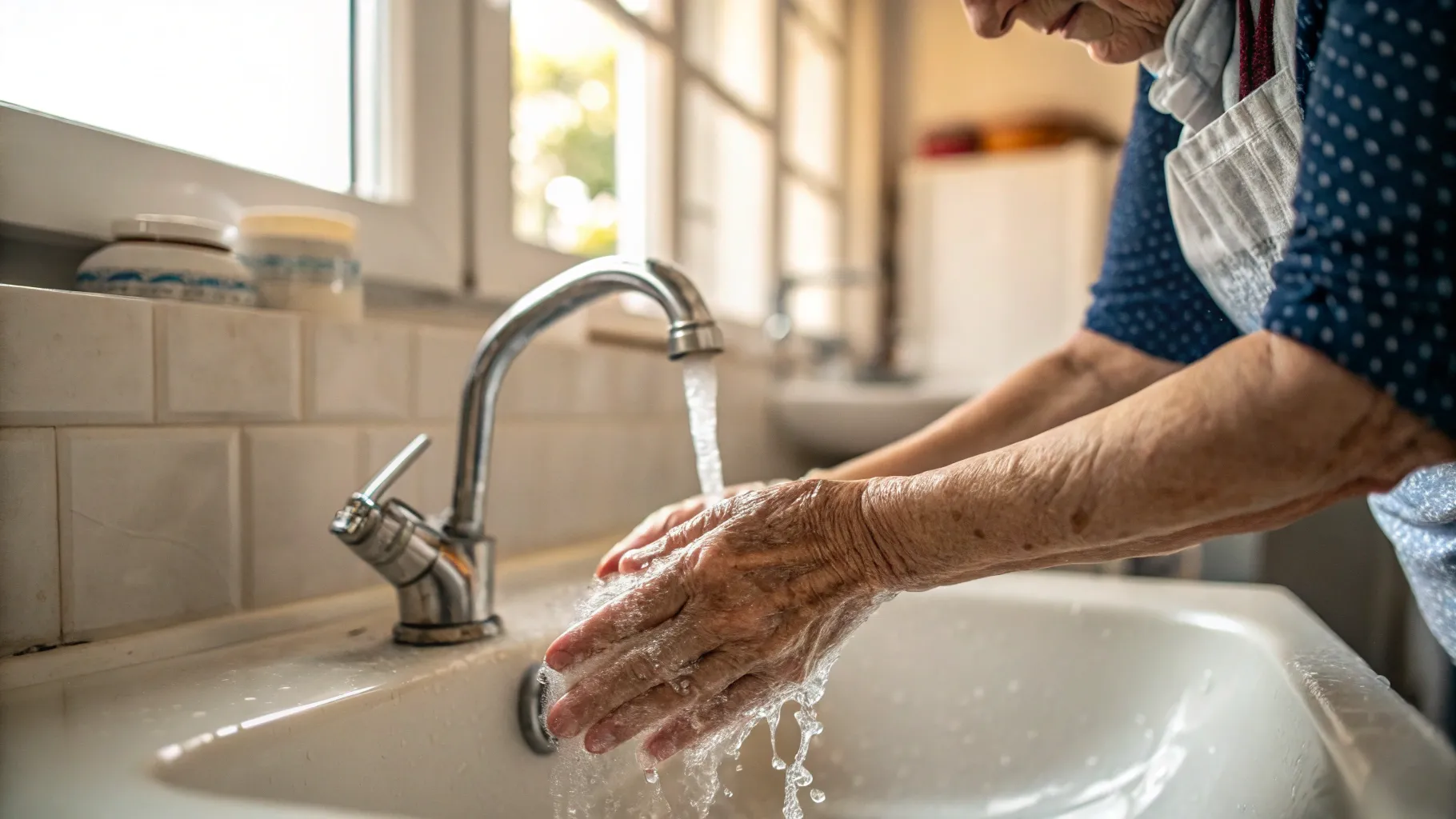
The single most important step in any plan for flu safety for older adults is getting the annual flu vaccine. Seniors should specifically ask for the high-dose flu vaccine or the adjuvanted flu vaccine, which are designed to create a stronger immune response in older people. It's crucial to get vaccinated early in the season, typically by the end of October, as it takes about two weeks for the body to develop full immunity. Beyond vaccination, meticulous hygiene is paramount. Frequent handwashing with soap and water for at least 20 seconds is a proven method to remove germs. If soap and water are not available, use an alcohol-based hand sanitizer with at least 60% alcohol. Additionally, avoid touching your eyes, nose, and mouth, as these are primary entry points for viruses. These fundamental practices are the foundation of how seniors stay safe during flu season.
Fortifying Your Home Environment Against Influenza
Creating a safe haven at home is another essential layer of protection. This involves being mindful of your immediate surroundings and taking steps to reduce germ transmission. Regularly clean and disinfect frequently touched surfaces such as doorknobs, light switches, remote controls, and telephones. Consider using a humidifier, as influenza viruses may survive for shorter periods in humid air. It's also wise to manage social interactions during peak flu season. While staying connected is important for mental health, it may be prudent to limit contact with individuals who are sick. If you have grandchildren, ensure they are vaccinated and encourage them to practice good hygiene, as children are often significant carriers of the flu virus. These practical flu season tips for elderly individuals can drastically lower the risk of bringing the virus into your personal space.
Boosting Immunity Through Nutrition and Healthy Habits
A strong immune system is your body's best natural defense. While vaccination is key, lifestyle choices play a significant role in immune function. A balanced diet rich in fruits, vegetables, lean proteins, and whole grains provides the essential vitamins and minerals your body needs to fight off infection. Foods high in Vitamin C (citrus fruits, bell peppers), Vitamin D (fortified milk, fatty fish), and Zinc (beans, nuts) are particularly beneficial. Staying hydrated by drinking plenty of water is also crucial. Furthermore, adequate sleep, typically 7-9 hours per night, is vital for immune cell production. Regular, moderate exercise, such as walking or stretching, can also boost your immune system. Embracing these habits is a core part of understanding flu season safety tips for seniors from a holistic perspective.
Recognizing Symptoms and Seeking Timely Medical Care
Knowing the difference between a cold and the flu is vital for timely treatment. The flu typically comes on suddenly and intensely, with symptoms including high fever, body aches, headache, extreme tiredness, and a dry cough. Colds are usually milder with a runny or stuffy nose being more prominent. If you suspect you have the flu, it is crucial to contact your doctor immediately. Antiviral drugs can be prescribed that may lessen the severity and duration of the illness, but they are most effective when started within the first 48 hours of symptoms. For seniors, early intervention can prevent serious complications. This proactive approach is a non-negotiable part of effective senior flu season precautions.
Actionable Checklist for Flu Season Preparedness
To simplify how seniors stay safe during flu season, here is a practical checklist of actions to take before and during the season. Following these steps systematically provides a robust framework for protection.
- Schedule Your Flu Shot: Contact your doctor or local pharmacy to book an appointment for a high-dose or adjuvanted flu vaccine. Mark the date on your calendar.
- Stock Up on Supplies: Ensure you have a good supply of soap, alcohol-based hand sanitizer, tissues, and household disinfectants. It's also wise to have over-the-counter remedies for fever and pain, as recommended by your doctor.
- Review Your Health Plan: Know your doctor's phone number and the procedure for seeking care if you feel sick. Have emergency contacts readily available.
- Plan Your Diet: Create a grocery list that focuses on immune-boosting foods. Consider frozen vegetables and fruits to ensure you always have them on hand.
- Practice Social Distancing: During peak flu activity, avoid large crowds and close contact with people who are coughing or sneezing. This is a key part of flu safety for older adults.
Frequently Asked Questions
Is the high-dose flu vaccine safe for all seniors?
The high-dose and adjuvanted flu vaccines are specifically designed and approved for people aged 65 and older. They are considered safe and effective, but it's always best to discuss with your healthcare provider to determine which option is best for your specific health profile, which is a key part of understanding flu season safety tips for seniors.
When is it too late to get a flu shot?
While it's best to get vaccinated early in the fall, getting a flu shot later in the season is still beneficial. Flu season can last well into the spring, so vaccination continues to be a valuable protection as long as flu viruses are circulating. These are important flu season tips for elderly to remember.
What should I do if a family member I live with gets the flu?
If you live with someone who has the flu, try to isolate them in a separate room if possible. Both you and the sick person should wear masks when in the same room. Increase cleaning of common areas and practice diligent handwashing. These are critical senior flu season precautions to take within the household.
References
- Centers for Disease Control and Prevention (CDC) - Influenza (Flu) Information for Older Adults
- National Institute on Aging (NIA) - Flu and Older Adults
- World Health Organization (WHO) - Influenza (Seasonal) Fact Sheet