Ultimate Guide to Flowers that Bloom All Summer and Come Back Every Year
Facts:
- Perennials can live for more than two years.
- Low-maintenance gardening is a top trend for busy homeowners.
Creating a Garden That Thrives Season After Season
Imagine a garden that bursts into color every spring and continues to flourish throughout the summer with minimal effort on your part. This is the beauty of planting flowers that bloom all summer and come back every year. These incredible plants, known as long blooming perennials, establish deep root systems that allow them to survive the winter and return with vigor the following year. By choosing the right returning garden flowers, you can create a sustainable, beautiful landscape that saves you time and money, providing a continuous display of color from June to September.
Our Top Picks for Long Blooming Perennials
Selecting the right plants is the first step towards a garden that performs all summer. Here are some of the most reliable and beautiful perennial flowers that bloom all summer, perfect for any garden design.
Coneflower (Echinacea)
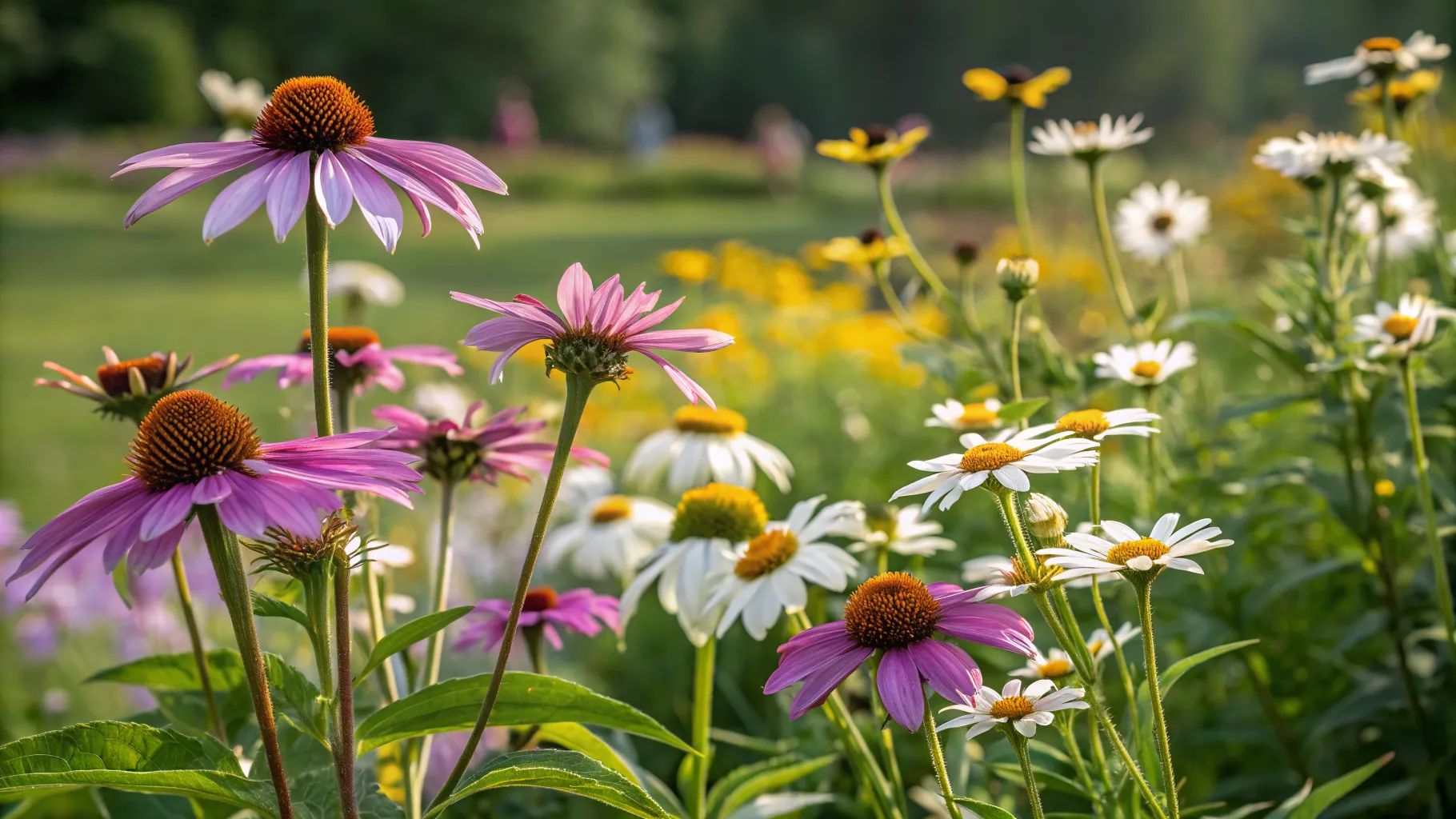
A classic choice for any sunny garden, Coneflowers are renowned for their daisy-like blooms and prominent central cones. They are incredibly drought-tolerant once established and attract a plethora of pollinators like bees and butterflies. Available in shades of purple, pink, white, and even orange, these perennial garden plants provide a long season of interest, often blooming from early summer until the first frost. They are among the most dependable flowers that bloom all summer and come back every year.
Black-Eyed Susan (Rudbeckia)
With their cheerful golden-yellow petals and dark brown centers, Black-Eyed Susans are a beacon of summer. These hardy long blooming perennials thrive in full sun and a variety of soil types. They are prolific bloomers, often covering themselves in flowers from mid-summer to fall. They are excellent for cutting and adding a splash of sunshine to indoor arrangements, making them a favorite among gardeners looking for reliable returning garden flowers.
Salvia (Perennial Sage)
Salvia is a massive genus of plants, but the perennial varieties like 'May Night' and 'Caradonna' are workhorses in the garden. They produce dramatic spikes of deep blue or purple flowers that are irresistible to hummingbirds and bees. Salvia is drought-resistant and deer-resistant, making it a fantastic low-maintenance choice. Shearing the plants back after their first flush of blooms will encourage a second wave of flowers, extending their display throughout the season, solidifying their status as top-tier perennial flowers that bloom all summer.
Yarrow (Achillea)
Yarrow is celebrated for its flat-topped flower clusters that come in a range of colors, from bright yellow to soft pastels. Its feathery, fern-like foliage adds a unique texture to the garden. This plant thrives on neglect, preferring full sun and well-drained, even poor, soil. Yarrow is one of the most resilient perennial garden plants you can find, providing consistent color and attracting beneficial insects all summer long.
Comparing Key Perennials for Your Garden
When choosing from the vast array of flowers that bloom all summer and come back every year, it's important to consider their specific needs. Coneflowers and Black-Eyed Susans are champions of full, direct sun and can handle dry conditions exceptionally well. Salvia offers a vertical element and a rich blue/purple color that contrasts beautifully with the yellows and pinks of other perennials. Yarrow, on the other hand, is perfect for those challenging, dry spots where other plants might struggle. For a truly dynamic garden, combining these long blooming perennials ensures a variety of shapes, colors, and textures that provide interest from spring until fall. All are excellent examples of dependable returning garden flowers.
Actionable Advice for a Thriving Perennial Garden
Ensuring your perennial garden plants thrive year after year involves more than just planting them. Follow these tips for long-term success:
- Prepare Your Soil: Most perennials prefer well-draining soil. Amend heavy clay or sandy soils with compost to improve texture and provide essential nutrients for strong root growth.
- Water Deeply, But Infrequently: Once established, it is better to water your long blooming perennials deeply once a week rather than a little bit every day. This encourages roots to grow deeper, making the plants more drought-tolerant.
- Deadhead Regularly: Removing spent flowers (deadheading) prevents the plant from setting seed and redirects its energy into producing more blooms, extending the flowering season significantly.
- Mulch Annually: Apply a layer of mulch around your plants each spring. This helps retain soil moisture, suppress weeds, and regulate soil temperature, creating a healthy environment for your returning garden flowers.
- Divide When Necessary: Every few years, some perennials can become overcrowded. Dividing the clumps in the spring or fall rejuvenates the plant and gives you more plants to expand your garden for free.
Frequently Asked Questions
What are the easiest perennial flowers that bloom all summer for beginners?
For beginners, some of the most foolproof choices are Black-Eyed Susans (Rudbeckia), Daylilies (Hemerocallis), and Sedum 'Autumn Joy'. These perennial garden plants are very forgiving, tolerate a wide range of conditions, and provide reliable color all summer with minimal care.
How do I ensure my returning garden flowers actually come back?
The key is choosing plants rated for your specific hardiness zone. Additionally, providing good drainage is crucial, as many perennials will not survive winter in soggy soil. Leaving the foliage intact over winter can also provide extra insulation for the plant's crown.
Do long blooming perennials need to be fertilized every year?
Most long blooming perennials are not heavy feeders. A top-dressing of compost in the spring is usually sufficient to provide the nutrients they need for the season. Over-fertilizing, especially with high-nitrogen fertilizers, can lead to lush foliage but fewer flowers.
References
- The Old Farmer's Almanac Gardening Guide
- Royal Horticultural Society Plant Finder
- University Extension Master Gardener Program Handbook