Flowers that Bloom All Summer and Come Back Every Year: A Guide
Facts:
- Perennial plants can live for more than two years.
- Low-maintenance gardening is a top trend for homeowners seeking sustainable beauty.
Creating a Garden That Endures Season After Season
The dream of a vibrant garden that bursts with color from late spring until the first frost, only to reappear the following year, is achievable with the right selection of plants. This guide is dedicated to the most resilient and beautiful flowers that bloom all summer and come back every year, offering a sustainable and rewarding gardening experience. By choosing the right long blooming perennials, you can create a landscape that is both stunning and low-maintenance, saving you time and effort each season. These incredible plants form the backbone of any successful garden design, providing reliable color and structure year after year.
Top Picks for Long Blooming Perennials
Choosing the right plants is the first step toward a garden that provides season-long interest. The following are some of the most reliable and spectacular perennial flowers that bloom all summer. These varieties are known for their hardiness, extended bloom times, and ability to return with vigor each spring, making them perfect additions to your collection of perennial garden plants.
Coneflower (Echinacea)
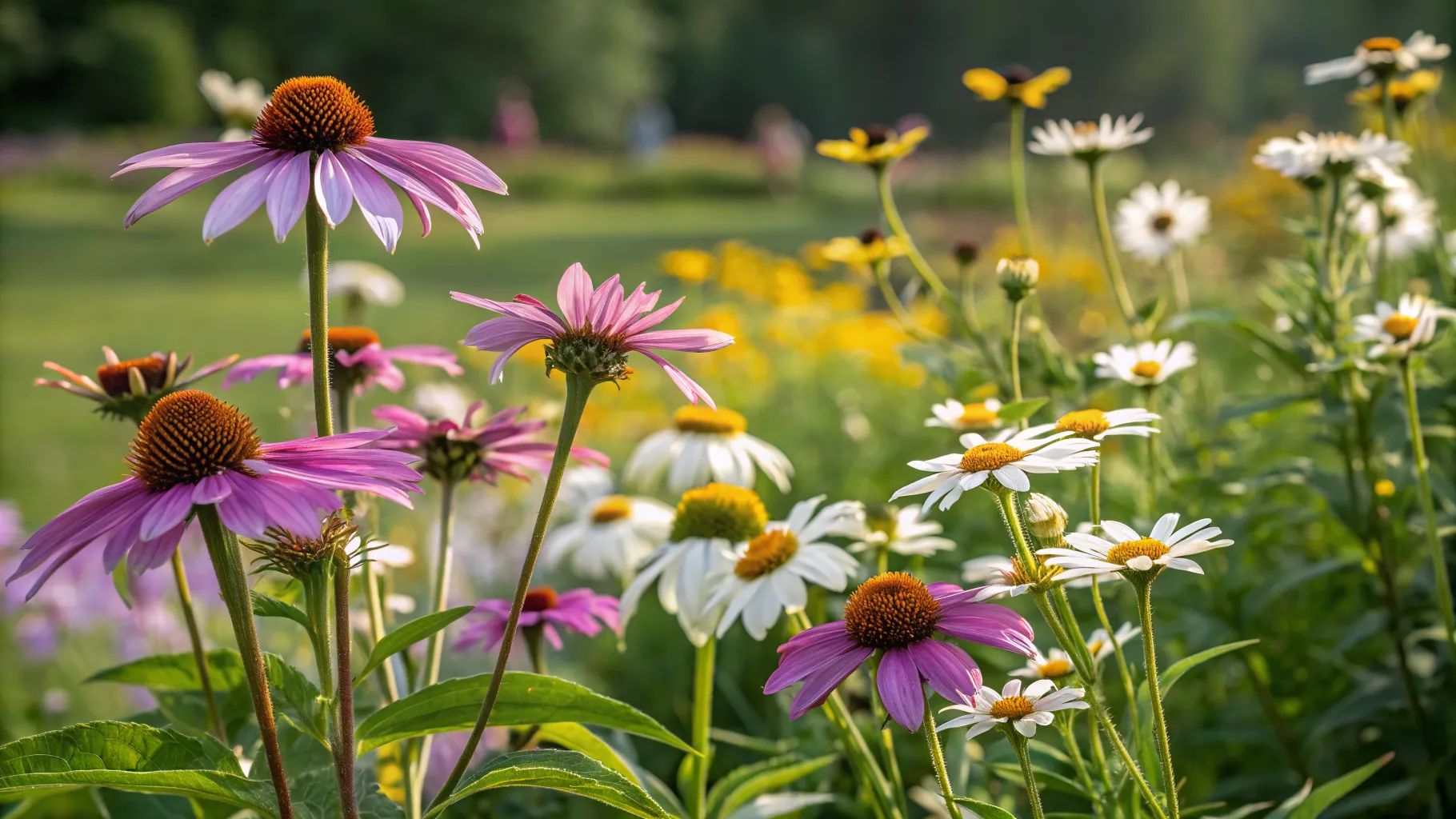
Coneflowers are a quintessential choice for any sunny garden. Not only are they incredibly tough and drought-tolerant once established, but they also bloom profusely from early summer until fall. Available in a range of colors from classic purple to shades of pink, orange, yellow, and white, they provide a long-lasting nectar source for butterflies and bees. Coneflowers are truly fantastic returning garden flowers that ask for very little in return for their brilliant display.
Black-Eyed Susan (Rudbeckia)
With their cheerful, daisy-like yellow petals and dark brown centers, Black-Eyed Susans are a symbol of summer. These prolific bloomers are workhorses in the garden, providing a sea of gold from mid-summer to fall. They are extremely easy to grow and thrive in a wide range of conditions, making them one of the best flowers that bloom all summer and come back every year for both beginner and expert gardeners.
Shasta Daisy (Leucanthemum × superbum)
For a classic, clean look, the Shasta Daisy is unmatched. Its bright white petals and sunny yellow centers bring a sense of freshness and light to any garden bed. Modern cultivars offer extended bloom periods, often starting in late spring and continuing through the summer with proper deadheading. These are exemplary long blooming perennials that pair well with virtually any other color.
Salvia (Salvia nemorosa)
The spiky, vibrant blooms of perennial Salvia are a magnet for hummingbirds and bees. Typically found in shades of deep purple, blue, and pink, Salvia provides excellent vertical interest in the garden. It is renowned for its ability to rebloom throughout the summer if sheared back after the first flush of flowers, making it one of the most dependable perennial flowers that bloom all summer.
Yarrow (Achillea millefolium)
Yarrow is an exceptionally hardy perennial known for its flat-topped clusters of flowers and fern-like foliage. It thrives in hot, sunny, and dry conditions where other plants might struggle. Blooming in colors like yellow, pink, red, and white, yarrow provides continuous color throughout the hottest months, solidifying its place among the best returning garden flowers.
Designing Your Perennial Garden for Continuous Color
A successful garden filled with flowers that bloom all summer and come back every year requires a bit of planning. The key is to select a variety of perennial garden plants with staggered bloom times. Layer plants by height, placing taller varieties like Delphiniums or Hollyhocks at the back, medium-sized plants like Coneflowers and Phlox in the middle, and low-growing groundcovers like Creeping Thyme or Sedum at the front. Consider foliage texture and color as well, as leaves provide interest even when plants are not in bloom. This thoughtful approach ensures your garden remains dynamic and visually appealing from spring through fall.
Essential Care Tips for Returning Garden Flowers
To ensure your perennials thrive and return each year, follow these essential care tips. Proper maintenance will promote vigorous growth and a profusion of blooms from all your long blooming perennials.
- Soil Preparation: Most perennials prefer well-draining soil. Amend heavy clay or sandy soils with compost to improve texture and add vital nutrients before planting.
- Watering: Water new plants regularly to help them establish strong root systems. Once established, most returning garden flowers are quite drought-tolerant, but will perform best with a deep watering once a week during dry spells.
- Deadheading: Regularly remove spent flowers. This process, known as deadheading, encourages the plant to put its energy into producing more blooms rather than seeds, extending the flowering season.
- Mulching: Apply a layer of mulch around your perennial garden plants to conserve moisture, suppress weeds, and regulate soil temperature.
- Dividing: Every few years, divide overgrown clumps of perennials in the spring or fall. This reinvigorates the plant, controls its size, and provides you with new plants to expand your garden for free.
Perennial Flowers vs. Annuals: A Gardener's Choice
When planning a garden, a common dilemma is choosing between perennials and annuals. Annuals complete their life cycle in one season and offer an explosion of color, but they must be replanted each year. In contrast, perennial flowers that bloom all summer provide a more permanent foundation. While their initial cost may be higher, returning garden flowers are a long-term investment that pays dividends in reliability and reduced annual workload. A garden that combines a strong backbone of long blooming perennials with pockets of colorful annuals often provides the best of both worlds, ensuring structure and seasonal excitement.
Attracting Pollinators with Your Perennial Selections
Creating a garden with flowers that bloom all summer and come back every year does more than just enhance your home's curb appeal; it creates a vital habitat for pollinators. Bees, butterflies, and hummingbirds are drawn to the nectar-rich blooms of plants like Coneflower, Salvia, and Bee Balm (Monarda). By planting a diverse array of these perennial garden plants, you support local ecosystems and can enjoy the delightful activity of these fascinating creatures all summer long.
Frequently Asked Questions
What are the easiest long blooming perennials for beginners?
For beginners, some of the most foolproof long blooming perennials include Black-Eyed Susan (Rudbeckia), Daylilies (Hemerocallis), and Hostas (which are grown for foliage but do flower). These plants are adaptable to a wide range of soil types and conditions and require minimal care to provide years of beauty.
How do I ensure my perennial flowers that bloom all summer actually come back next year?
To ensure your perennial flowers that bloom all summer return, choose plants rated for your specific hardiness zone. Provide proper care, including adequate water as they establish and a layer of mulch in late fall to protect the roots from harsh winter temperatures. Avoid cutting back the foliage until spring for some varieties, as it provides insulation.
Can I grow these returning garden flowers in containers?
Absolutely! Many returning garden flowers do very well in containers. Choose a large pot with good drainage to accommodate the root system. Compact varieties of plants like Salvia, Coreopsis, and Dianthus are excellent choices. Remember that container plants require more frequent watering and feeding than those in the ground.
References
- The Old Farmer's Almanac: Perennial Care Guide
- Royal Horticultural Society: A-Z of Perennials
- University Extension Office Gardening Resources