Fatty Liver Disease: Causes, Symptoms, and Natural Care
Understanding Fatty Liver Disease: A Growing Concern
In recent years, the prevalence of fatty liver disease has significantly increased, with estimates suggesting that approximately 25% of adults in the United States are affected by this condition as of 2025. Fatty liver disease occurs when excessive fat accumulates in liver cells, leading to inflammation and, in severe cases, liver damage. This article delves into the causes, symptoms, and clinically studied treatments for fatty liver disease, providing vital information for better liver health.
What Causes Fatty Liver Disease?
Fatty liver disease, which comes in two primary forms—alcoholic fatty liver disease (AFLD) and non-alcoholic fatty liver disease (NAFLD)—has a range of contributing factors. Understanding these factors allows for better prevention and management strategies.
- Alcohol Consumption: The most direct relationship to fatty liver disease comes from excessive alcohol intake. Even moderate drinking can lead to harmful fat accumulation in the liver, creating a cocktail for liver inflammation and disease.
- Obesity: A staggering over 80% of individuals with fatty liver disease are obese. The excess fat in the body can find its way to the liver, worsening the condition significantly.
- Diabetes: The link between insulin resistance and fatty liver disease is well-established. Those with type 2 diabetes are at a higher risk for developing NAFLD, as impaired insulin signaling hinders liver function.
- Poor Dietary Habits: Diets high in calories, sugars, and unhealthy fats can wreak havoc on liver health. Processed foods, fast food, and sugary drinks have become staples in many diets, contributing to the rising number of fatty liver disease cases.
- Genetic Factors: Genetics also play a role; some individuals may be predisposed to fatty liver disease regardless of lifestyle choices, making it critical to be aware of family history when assessing risk.
Recognizing Early Signs of Fatty Liver Disease
Early identification of fatty liver disease is essential for optimal medical management. Although many symptoms can be generic, observing them in conjunction could indicate liver health concerns. Common symptoms to look out for include:
- Fatigue: While fatigue is often overlooked, it can signal liver dysfunction.
- Abdominal Discomfort: Persistent dull pain or discomfort in the upper right abdomen could indicate liver inflammation.
- Unexplained Weight Loss: If you're losing weight without intention, it may be linked to underlying liver problems.
- Puffy Abdomen: This may signal advanced stages of liver disease due to liver swelling.
If you experience any of these symptoms regularly, it is vital to consult your healthcare provider for potential liver function tests.
Foods to Limit for Supporting Liver Health
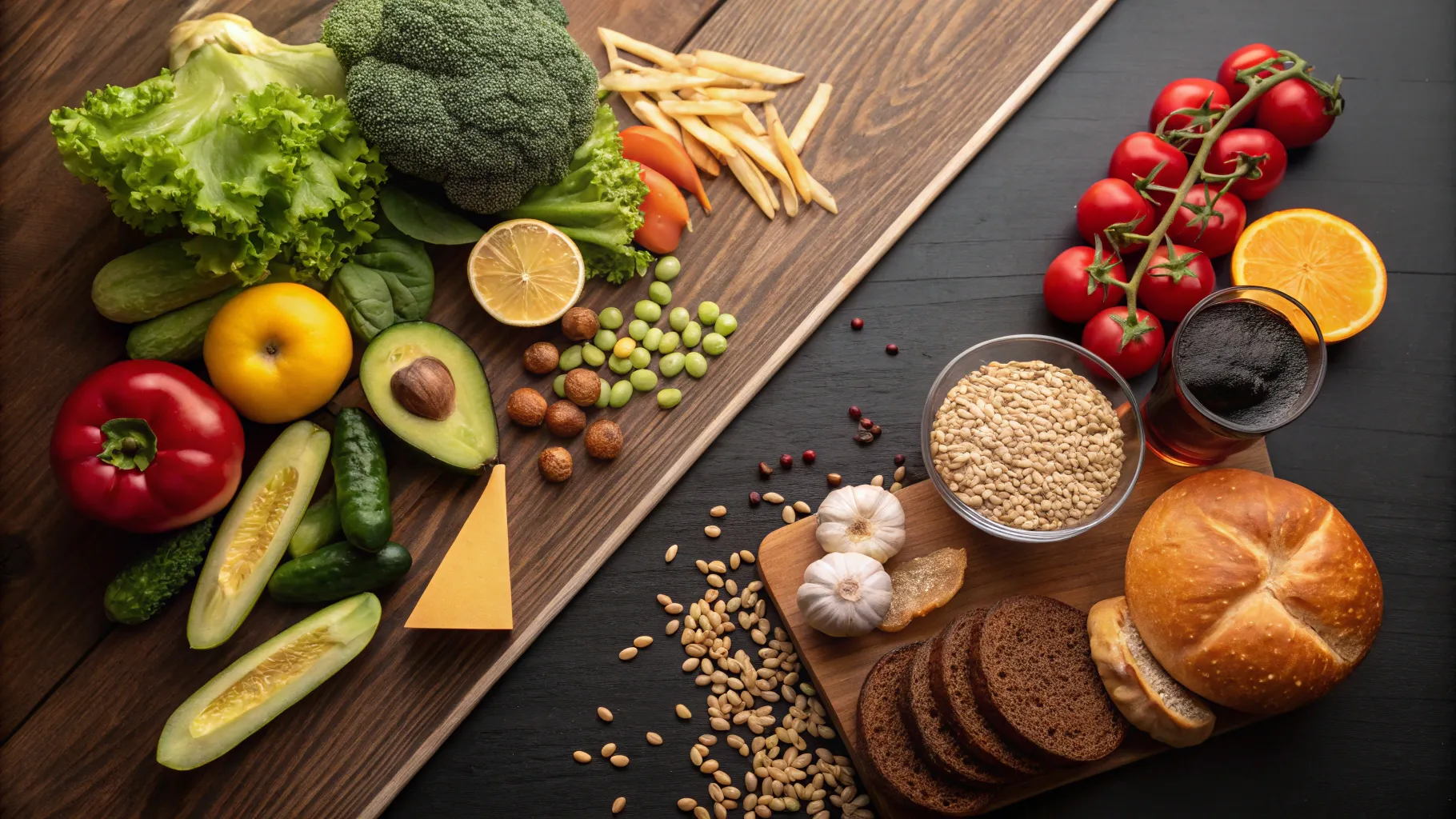
Diet significantly impacts the management of fatty liver disease. Certain foods should be avoided as they can worsen liver conditions. The following list highlights the most detrimental dietary choices:
- Sugary Beverages: Sodas, sweetened juices, and energy drinks filled with fructose can significantly contribute to fat build-up in the liver.
- Refined Carbohydrates: Foods like white bread and pastries can spike blood sugar levels, putting additional stress on the liver.
- Processed Foods: Often laden with unhealthy fats and preservatives, these foods can lead to increased liver fat.
- Red and Processed Meats: These are high in saturated fats, which can further contribute to liver fat accumulation.
- Trans Fats: Commonly found in fried foods and many baked products, trans fats are especially harmful to liver health.
Tackling Fatty Liver Disease: Treatment Approaches
Addressing fatty liver disease typically begins with lifestyle modifications. Here are research-supported strategies for managing or even reversing the condition:
- Weight Loss: Losing just 5-10% of your total body weight can significantly reduce liver fat. For instance, a 200-pound individual could aim to lose 10-20 pounds to see improvements in liver health.
- Regular Physical Activity: Aim for at least 150 minutes of moderate exercise weekly. Regular movement not only aids in weight management but also promotes liver health.
- Balanced Diet: Adopting a Mediterranean diet rich in fruits, vegetables, nuts, whole grains, and healthy fats can enhance liver function and overall health.
- Medication Research: Ongoing studies are focusing on pharmacological options to reduce liver fat. Although no specific drugs are officially approved yet, this area of research is under investigation.
- Vitamin and Supplementation: Supplements like vitamin E and omega-3 fatty acids have shown potential in clinical trials but should only be taken after consulting a healthcare professional.
Natural Approaches to Treating Fatty Liver
Incorporating natural remedies can complement lifestyle changes in managing fatty liver disease based on evidence:
- Hydration: Staying well-hydrated supports liver function and helps with detoxification.
- Healthy Fats: Focus on oils like olive oil and foods rich in unsaturated fats, as they can promote liver health.
- Green Tea: This beverage is rich in antioxidants, and studies have shown that it may aid in reducing liver fat.
- Increased Fiber Intake: Eating fiber-rich foods such as legumes, fruits, and vegetables can improve liver health by regulating blood sugar levels and enhancing digestion.
As awareness surrounding fatty liver disease continues to rise, understanding this condition is vital. By recognizing early signs, adjusting dietary habits, and implementing effective treatment plans, individuals can enhance their liver health and overall well-being. Making informed lifestyle choices can significantly impact how we manage this prevalent condition.