Essential Fall Prevention Devices
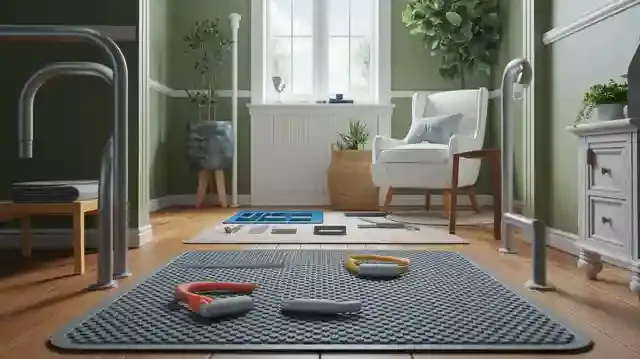
Bedside Fall Prevention Tools for Seniors
Falls are a leading cause of injuries among seniors, with over one-third of individuals aged 65 and older experiencing at least one fall per year. Bedside fall prevention tools are critical in reducing these incidents. Products like bed rails offer support as seniors get in and out of bed, minimizing the risk of falls. A variety of rail designs, including adjustable ones, ensure they fit any bed type and provide sturdy aid.
Additionally, sensor-based mats placed beside the bed can alert caregivers if a senior steps on them, providing timely assistance. These mats utilize pressure sensors to detect movement and can be integrated with alert systems that notify a caregiver via phone or in-house alarms.
Non Slip Floor Mats for Elderly Safety
Non slip floor mats are another cornerstone of fall prevention. These mats are designed to adhere to the floor surface tightly, eliminating the risk of slips that may occur on smooth or wet surfaces. They are especially beneficial in bathrooms, kitchens, and other areas prone to spills.
According to a recent survey by safety organizations, properly installed non slip mats can reduce slip and fall accidents by up to 70% in the home environment. Some mats also come equipped with antibacterial features to maintain hygiene, making them ideal for environments like hospitals and nursing homes where cleanliness is paramount.
Wearable Alert Systems for Fall Detection
Advancements in technology have led to the development of wearable alert systems that are essential in monitoring the safety of seniors. Devices such as smartwatches or pendants are equipped with accelerometers to detect falls. Once a fall is detected, the system automatically sends an alert to the designated contacts, ensuring immediate assistance.
These systems are particularly beneficial for seniors living independently. One case study showed that seniors wearing these devices had a 50% faster response time in getting help after a fall, compared to those who didn't use such devices. This reduction in response time can be critical in preventing complications from injuries.
- Automatic fall detection: Alerts emergency contacts instantly.
- GPS tracking: Helps caregivers locate the wearer quickly.
- Easy-to-use interface: Designed for simple operation by seniors.
Wearable systems are lightweight and water-resistant, making them suitable for continuous use throughout the day without causing discomfort.
Grab Bars for Bathroom Stability Support
Bathrooms are notoriously dangerous for senior falls due to slippery surfaces. Installing grab bars in strategic locations around the bathroom provides necessary support and balance. These bars come in various materials such as stainless steel or plastic and can be installed next to toilets, within showers, and along the bathroom entryway.
Studies indicate that the installation of grab bars can lower the risk of falls by 55%. They allow seniors to safely navigate the bathroom, offering something stable to hold onto when changing positions, such as standing from a seated position or stepping into the shower.
For optimal safety, it's recommended to combine grab bars with non slip mats in the shower and next to the bathtub.
Mobility Aids for Home Fall Prevention
Mobility aids encompass a wide range of devices designed to assist seniors in moving safely around their homes. These include walkers, canes, and motorized scooters. Walkers and canes are among the most common aids, providing support and enhancing balance as seniors walk.
Motorized scooters cater to those who have significant mobility limitations but wish to retain independence. These scooters come equipped with stable seating, easy-to-use controls, and battery-powered engines, allowing seniors to move around both indoors and outdoors.
When selecting any mobility aid, it's crucial to ensure the device is adjusted to the specific needs and physical conditions of the user. Proper fitting reduces the risk of misuse, which could lead to falls.
In summary, incorporating these various fall prevention devices into the daily lives of seniors significantly enhances their safety and independence. By being proactive in addressing potential hazards, seniors can maintain a high quality of life, knowing they have reliable support systems in place. The use of technology, combined with traditional manual aids, creates a comprehensive safety net that adapts to the ever-changing needs of the elderly population.