Eye Health Tips to Maintain Vision After 50 Years Old
Maintaining Eye Health for Adults Over 50
As people age, eye health requires more attention. Adults over 50 may experience changes in vision and an increased risk of conditions such as presbyopia, cataracts, and age-related macular degeneration. Understanding these changes and adopting healthy habits can help support vision. This guide provides an overview of practical tips, vision-supporting foods, and lifestyle adjustments to maintain healthy eyes in later adulthood.
Eye Health Guidelines for Adults Aged 50 and Older
Approximately 50% of people aged 65 and older experience some form of vision impairment. Therefore, caring for your eyes is of utmost importance. Here are key actions you can take to ensure your vision remains sharp:
- Regular Eye Exams: Make it a point to visit your eye care professional at least once a year. These check-ups are vital for early detection of serious eye conditions like glaucoma and diabetic retinopathy. With advancements in technology, eye exams can catch potential issues before they lead to significant vision loss.
- Optimize Your Lighting: As we age, our eyes become more sensitive to light. Ensure your home and workplace are well-lit with soft, even lighting, especially in places where you read and perform detailed tasks.
- Limit Screen Time: It's easy to overexert your eyes with the amount of screen time we all accumulate. Adhere to the 20-20-20 rule: every 20 minutes, gaze at something 20 feet away for at least 20 seconds. This practice reduces digital eye strain and keeps your eyes comfortable.
- Wear Sunglasses: Protecting your eyes from harmful ultraviolet rays is crucial. Choose sunglasses that block 99% to 100% of UVA and UVB radiation. This simple action can dramatically lower your risk of developing cataracts later in life.
Healthy Lifestyle Choices for Better Vision
Beyond preventive measures, incorporating healthy habits into your daily routine is key to maintaining good vision as you age. Here are several adjustments that can positively impact your eyesight:
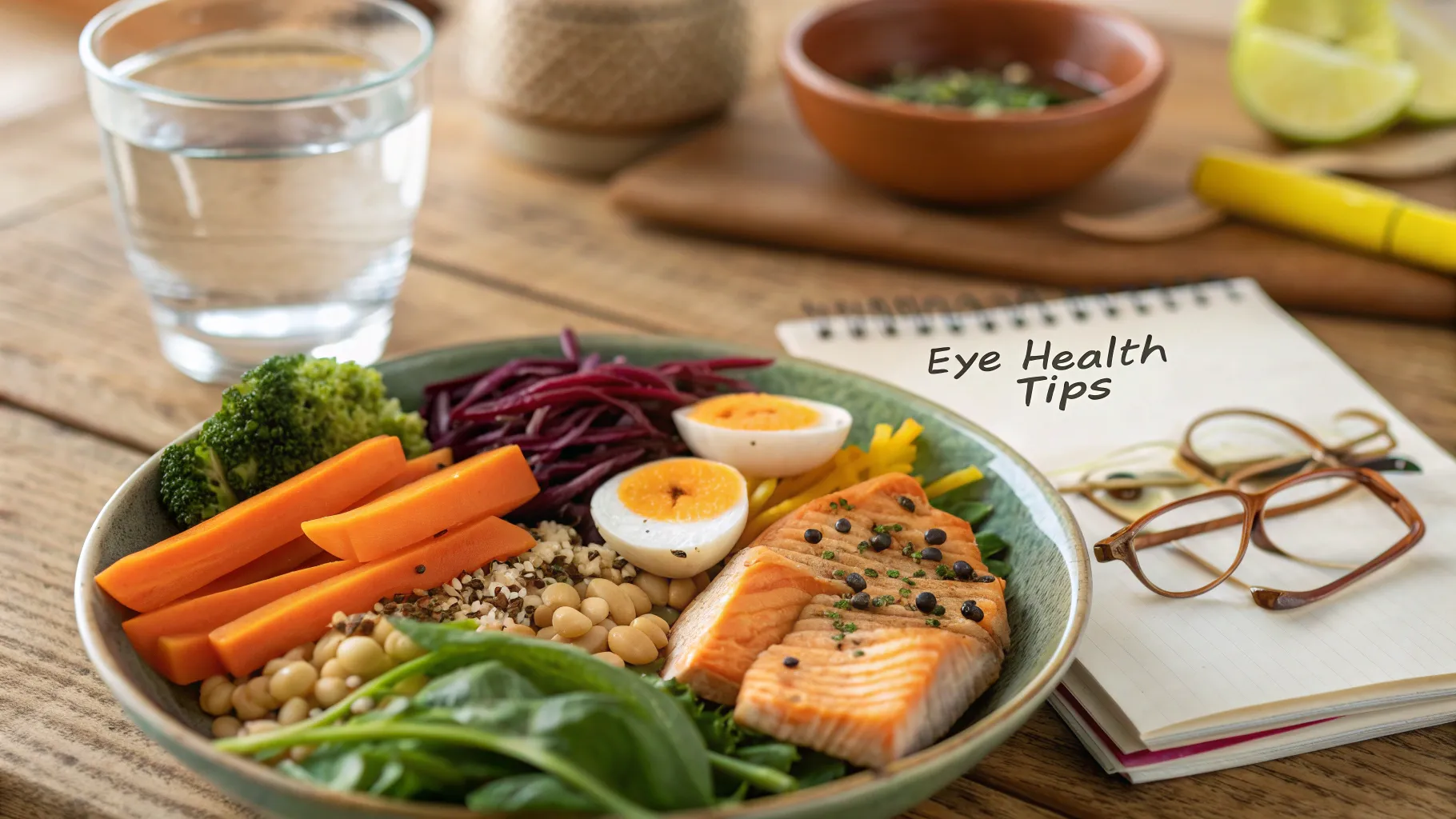
- Balanced Diet: Nutrient-dense foods are essential for eye health. Consuming a variety of fruits and vegetables can provide antioxidants, vitamins C and E, zinc, and omega-3 fatty acids, all of which promote eye health. Here are some beneficial foods:
- Carrots: High in beta-carotene, carrots are known to improve night vision.
- Leafy Greens: Vegetables such as kale and spinach contain lutein and zeaxanthin, which are crucial in reducing the risk of cataracts and macular degeneration.
- Fatty Fish: Salmon and other fatty fish are rich in omega-3s that support retinal health and help avert dry eye syndrome.
- Stay Hydrated: Adequate hydration is vital for maintaining moisture in the eyes. Drinking enough water not only keeps your body hydrated but also prevents dryness and irritation.
- Quit Smoking: If you smoke, quitting is one of the best things you can do for your eye health. Smoking is linked to an increased risk of both cataracts and macular degeneration. Seek support groups or resources to help you make this vital lifestyle change.
Incorporating these health tips into your daily life fosters better overall wellness and enhances your vision over time.
Understanding Common Age-Related Vision Changes
As we grow older, several physiological changes can affect our eyes. It’s essential to recognize common visual impairments in order to seek treatment early and maintain quality of life. Here are a few prevalent conditions:
- Presbyopia: This condition is the gradual loss of the eye's ability to focus on nearby objects, typically becoming noticeable in the 40s. Many adults find they need reading glasses; thankfully, modern options offer stylish solutions.
- Cataracts: This condition involves the clouding of the lens, resulting in blurry vision and difficulty with brightness and glare. Symptoms often develop slowly, making regular eye exams key to early detection and treatment. Surgical options are highly effective and common today.
- Macular Degeneration: An age-related condition that primarily affects the retina, leading to vision distortion and potential blind spots. The latest treatments can help manage symptoms, emphasizing the importance of regular checks with an eye care professional.
Being familiar with these conditions aids in recognizing symptoms promptly. Your eye care provider can offer guidance for managing these changes effectively.
Protecting Your Eyesight Through Daily Practices
Successful vision preservation combines proper nutrition, proactive lifestyle adjustments, and everyday habits that contribute to long-term eye health. Here are some ways to protect your eyesight effectively:
- Protective Eyewear: Engaging in sports or activities around the house calls for protective glasses to shield your eyes from injury. Always wear the appropriate eye gear during home repairs or physical activities.
- Manage Chronic Conditions: Keeping chronic issues like diabetes and hypertension in control is crucial since these can drastically impact your vision if left unmanaged. Regular check-ups with your healthcare provider are essential.
- Eye Exercises: Simple exercises can reduce eye strain and improve flexibility. Examples include rolling your eyes, focusing on a moving object, or gently massaging your eyelids. Consistent practice can yield noticeable benefits.
- Stay Active: Engaging in regular physical activity enhances circulation and overall body health. Aim for at least 30 minutes of moderate exercise most days; activities like brisk walking, cycling, or swimming can be quite beneficial.
Integrating these eye health tips and lifestyle changes fosters better vision and enhances your overall quality of life. Remember, taking care of your eyes is a lifelong commitment. By embracing small, consistent adjustments today, you pave the way for a future with clearer, vibrant vision.