Key Eye Disease Symptoms: A Guide to Early Detection and Vision Changes
Facts:
- Many serious eye diseases have no early warning signs.
- Early detection and treatment can prevent up to 95% of vision loss.
Decoding the Telltale Signs: When to Be Concerned About Your Vision
Recognizing the subtle changes in your eyesight is the first step in protecting it for a lifetime. A comprehensive understanding eye disease symptoms is crucial because many conditions develop slowly and painlessly. Ignoring what seem like minor issues can lead to significant problems. This guide will delve into the most common eye disease symptoms, helping you identify potential issues before they escalate and explaining why prompt medical attention is vital for preserving your vision.
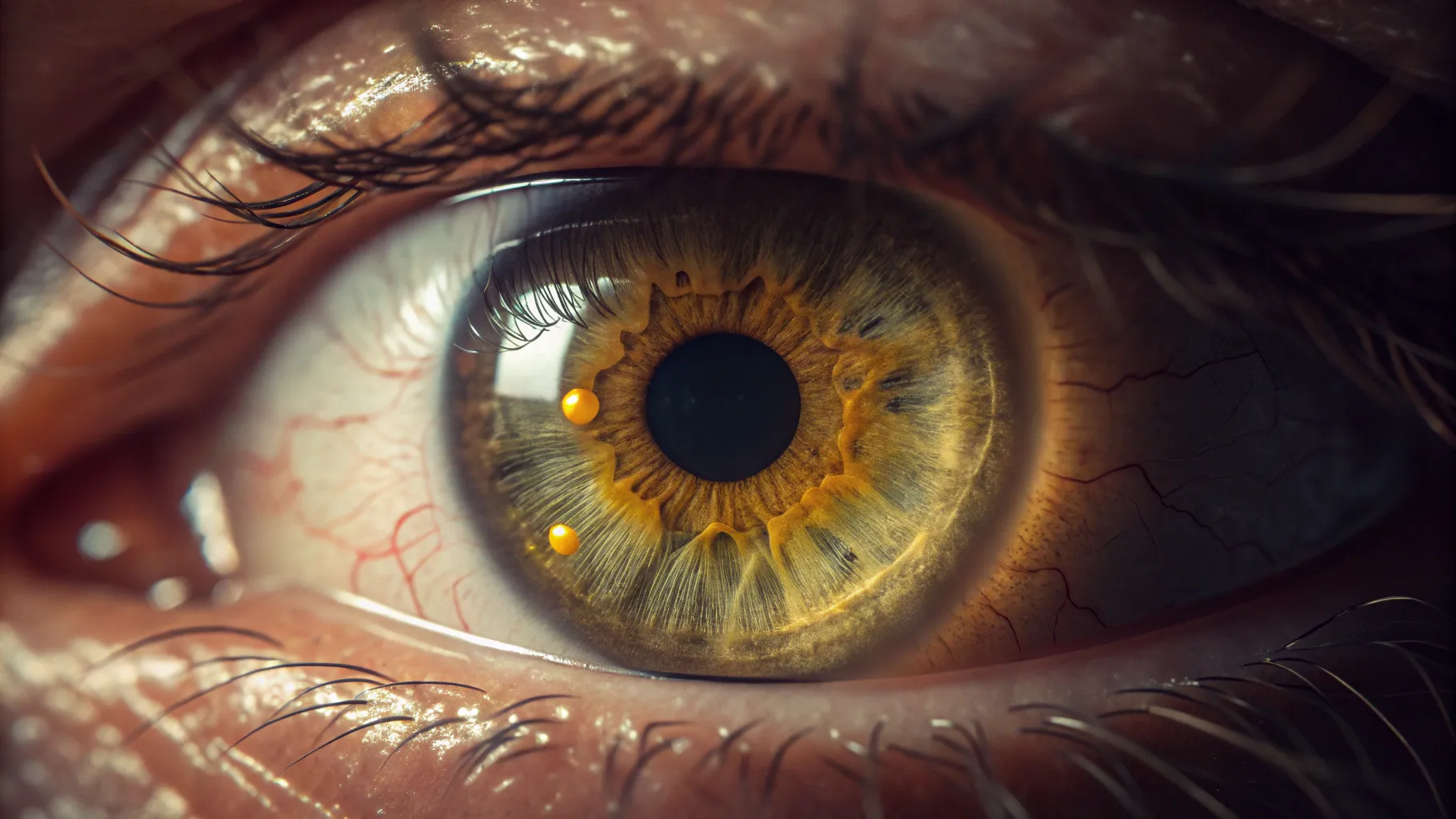
Spotting the Early Symptoms of Eye Problems
The key to preserving your eyesight often lies in identifying problems before they become severe. The early symptoms of eye problems can be subtle and easily dismissed as fatigue or a normal part of aging. However, paying close attention to these initial warnings is critical. Symptoms like seeing small specks or 'floaters' drifting through your field of vision, or experiencing sudden flashes of light, can be early indicators of serious conditions like retinal tears or detachment. Similarly, if you notice halos around lights, particularly at night, it could be one of the initial signs of eye disease like cataracts or glaucoma. A gradual but persistent blurring of vision, whether near or far, is another significant symptom that should prompt an immediate visit to an eye care professional for a comprehensive evaluation.
Common Eye Disease Symptoms You Cannot Afford to Ignore
While some symptoms are subtle, others are more overt and demand immediate attention. An in-depth understanding eye disease symptoms helps you differentiate between a minor annoyance and a potential sight-threatening condition. These are some of the most critical symptoms to be aware of.
Blurry or Distorted Vision
One of the most frequently reported vision changes eye disease causes is blurry or distorted vision. If straight lines, like a door frame or telephone pole, appear wavy or bent, it could be a classic sign of age-related macular degeneration (AMD). This condition affects your central vision, making it difficult to read, drive, or recognize faces. Blurriness can also be a symptom of cataracts, where the lens of the eye becomes cloudy, or diabetic retinopathy, where high blood sugar levels damage blood vessels in the retina.
Eye Pain, Redness, and Persistent Irritation
While many things can cause temporary eye redness, persistent pain and redness are definite signs of eye disease. Sharp, sudden eye pain could signal an attack of acute angle-closure glaucoma, a medical emergency that can cause rapid vision loss. Persistent aching, sensitivity to light (photophobia), and constant redness can be associated with inflammation inside the eye (uveitis) or a severe infection. Do not dismiss these symptoms as simple irritation; they warrant a professional diagnosis.
Vision Changes Eye Disease: What to Watch For
Different diseases affect vision in distinct ways. Understanding the specific nature of your vision changes can provide clues about the underlying issue. For example, glaucoma is often called the 'silent thief of sight' because it typically begins by slowly reducing your peripheral (side) vision. You may not notice it until significant damage has occurred. In contrast, macular degeneration primarily affects your central vision, creating a blind spot or blurry area right in the middle of what you're looking at. Diabetic retinopathy can cause 'floaters' as well as patchy or blurry vision. Documenting the specific type of vision changes eye disease is causing you can be incredibly helpful for your doctor. Paying attention to these specific common eye disease symptoms allows for earlier and more accurate diagnosis and treatment.
Actionable Steps for Protecting Your Vision
While you cannot prevent all eye diseases, you can take proactive steps to protect your vision and catch problems early. Integrating these habits into your life is essential for long-term eye health and is a core part of understanding eye disease symptoms and their prevention.
- Schedule Regular Comprehensive Eye Exams: This is the single most important step. A dilated eye exam allows an optometrist or ophthalmologist to see the back of your eye and detect the earliest signs of eye disease, often before you notice any symptoms yourself. Adults should have an exam every one to two years, or more frequently if they have risk factors like diabetes or a family history of eye disease.
- Know Your Family's Eye Health History: Many eye conditions, including glaucoma, macular degeneration, and retinal dystrophies, have a genetic component. Knowing your family history helps you and your doctor understand your personal risk profile and monitor for early symptoms of eye problems more vigilantly.
- Adopt a Healthy Lifestyle: What's good for your body is good for your eyes. A diet rich in leafy greens, colorful fruits, and fish high in omega-3 fatty acids provides essential nutrients for eye health. Regular exercise improves blood circulation, which is vital for your eyes, and quitting smoking drastically reduces your risk for cataracts and macular degeneration.
- Protect Your Eyes from UV Radiation: Chronic exposure to the sun's UV rays can increase your risk of developing cataracts and other eye problems. Always wear sunglasses that block 100% of UVA and UVB rays when you are outdoors, even on cloudy days.
Frequently Asked Questions
What are the most common early symptoms of eye problems?
Some of the most crucial early symptoms of eye problems include gradual blurring of vision, seeing floaters or flashes of light, eye pain, persistent redness, and difficulty with night vision. Any sudden change should be evaluated by a professional immediately, as it could be one of the primary signs of eye disease.
How can I differentiate between normal eye aging and signs of eye disease?
While some changes, like needing reading glasses (presbyopia) after age 40, are normal aging processes, other signs of eye disease are not. Warning signs include blind spots, distorted or wavy lines, loss of peripheral vision, or sudden blurry vision. A comprehensive eye exam is the only definitive way to distinguish between them and gain a true understanding eye disease symptoms.
Can lifestyle changes prevent common eye disease symptoms?
Yes, a healthy lifestyle can significantly reduce your risk. This includes a balanced diet rich in vitamins A, C, and E, zinc, and omega-3s, regular exercise, avoiding smoking, and protecting your eyes from UV light. These habits support overall eye health and can delay or prevent the onset of many common eye disease symptoms.
References
- World Health Organization (WHO) - Vision Impairment and Blindness Reports
- American Academy of Ophthalmology (AAO) - Eye Health Statistics
- National Eye Institute (NEI) - Information on Specific Eye Conditions
- Journal of Vision Science & Clinical Optometry