Exploring Uzbekistan's Silk Road: A Journey Through History
Uzbekistan, a landlocked nation in Central Asia, holds a pivotal place in the history of the Silk Road. For centuries, this network of trade routes connected the East and West, facilitating the exchange of goods, ideas, and cultures. Today, the country's magnificent cities like Samarkand, Bukhara, and Khiva stand as living testaments to this glorious past, inviting travelers to step back in time and experience the grandeur of ancient empires and bustling bazaars.
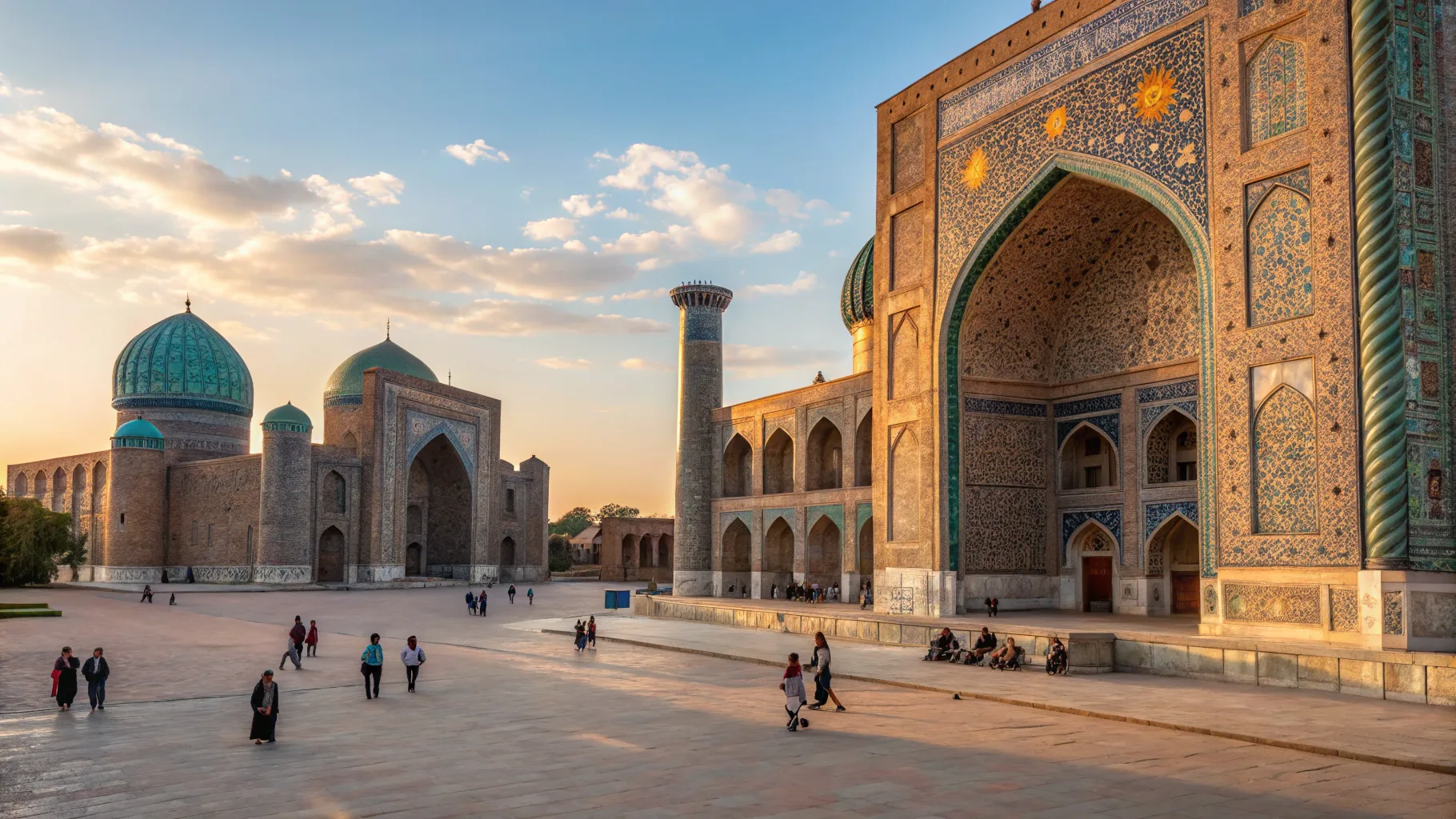
The Historical Significance of Uzbekistan on the Silk Road
Uzbekistan's strategic location made it a crucial hub on the Silk Road, linking China with Persia, India, and Europe. Caravans laden with silk, spices, ceramics, and precious metals traversed its deserts and mountains, stopping at oasis cities that flourished into centers of trade, scholarship, and art. The wealth generated from this commerce funded the construction of breathtaking mosques, madrasahs, and mausoleums that define the region's architectural landscape today.
These ancient routes were not merely conduits for goods; they were pathways for cultural diffusion. Zoroastrianism, Buddhism, Nestorian Christianity, and later Islam spread along the Silk Road, leaving indelible marks on the local societies. Scholars and artisans from across the known world gathered in cities like Samarkand, contributing to advancements in astronomy, mathematics, medicine, and literature, making the region a beacon of intellectual progress.
Key Cities and Architectural Marvels
Uzbekistan boasts three main Silk Road cities that are essential stops for any historical tour: Samarkand, Bukhara, and Khiva. Each offers a unique window into the past, characterized by distinctive architectural styles and historical narratives.
- Samarkand: Often called the 'Pearl of the East,' Samarkand is renowned for the Registan Square, an iconic ensemble of three grand madrasahs adorned with intricate tilework. Other highlights include the Bibi-Khanym Mosque, the Shah-i-Zinda necropolis, and the Ulugbek Observatory, reflecting the city's golden age under Timur and his successors.
- Bukhara: A UNESCO World Heritage site, Bukhara presents a remarkably preserved medieval city center with over 140 architectural monuments. The Poi Kalyan Complex, consisting of the Kalyan Minaret, Kalyan Mosque, and Mir-i-Arab Madrasah, dominates the skyline. Its narrow alleys lead to ancient caravanserai, covered bazaars, and traditional Jewish quarters.
- Khiva: Enclosed within its historic walls, Khiva's Ichan Kala (inner city) is an open-air museum. Travelers can wander through its labyrinthine streets, discovering turquoise-domed mosques, towering minarets, and the majestic Kuhna Ark fortress. It offers a tangible sense of what a Silk Road oasis city felt like centuries ago.
Types of Uzbekistan Silk Road Tours
Various types of tours cater to different interests and travel styles, allowing visitors to tailor their experience of Uzbekistan. Whether seeking a deep dive into history, an adventure through diverse landscapes, or an immersive cultural exchange, options are available.
Common tour categories include:
- Classic Historical Tours: These typically focus on Samarkand, Bukhara, and Khiva, emphasizing historical sites, architecture, and local culture. They often include guided visits to major monuments, bazaars, and cultural performances.
- Adventure and Trekking Tours: For more active travelers, tours might incorporate trekking in the Nuratau Mountains, exploring the Kyzylkum Desert, or visiting remote villages to experience nomadic life.
- Cultural and Gastronomy Tours: These tours delve deeper into Uzbek traditions, offering cooking classes, handicraft workshops, visits to local homes, and opportunities to attend traditional music and dance shows.
- Tailor-Made and Private Tours: Many operators offer the flexibility to customize itineraries, allowing travelers to focus on specific interests, manage their own pace, and enjoy a more personalized journey with private guides and transportation.
What to Expect on Your Journey
Traveling through Uzbekistan offers a unique blend of historical discovery and cultural immersion. Understanding what to expect regarding logistics, accommodations, and local interactions can enhance the overall experience.
Most tours utilize a combination of comfortable coaches for intercity travel and domestic flights, especially between Tashkent and Khiva, to cover vast distances efficiently. Accommodation typically ranges from modern hotels in larger cities to charming, traditional guesthouses in historical centers, often featuring courtyards and authentic decor. Meals usually include a mix of hotel dining and visits to local restaurants, offering opportunities to savor Uzbek cuisine like plov, samsa, and shashlik.
Best Time to Visit Uzbekistan
The timing of your visit can significantly impact your experience of Uzbekistan, primarily due to the country's continental climate. Understanding the seasonal variations helps in planning the most comfortable and enjoyable trip.
The spring months (April to May) and autumn months (September to October) are generally considered the best times to visit. During these periods, the weather is pleasantly mild, with warm days and cool evenings, ideal for sightseeing and exploring historical sites without the extreme heat of summer. Spring also brings blooming flowers, while autumn offers vibrant foliage and harvest festivals.
Practical Tips for Travelers
Preparing for a trip to Uzbekistan involves a few practical considerations to ensure a smooth and enriching experience. From entry requirements to local customs, being informed helps travelers navigate their journey with ease.
Most nationalities can enter Uzbekistan without a visa or obtain an e-visa, but it is always advisable to check the latest visa regulations specific to your country before traveling. The local currency is the Uzbek Sum (UZS), and while credit cards are becoming more accepted in major cities, it is prudent to carry small denominations of cash for smaller purchases and local markets. Dress modestly when visiting religious sites as a sign of respect, and be prepared for potential language barriers, though English is increasingly spoken in tourist areas.