Exploring the Charms: A Guide to France and Italy Tours
Embarking on a tour that encompasses both France and Italy offers an unparalleled opportunity to immerse oneself in some of Europe's most captivating history, art, cuisine, and landscapes. These two neighboring nations, while distinct in their cultural tapestry, complement each other beautifully, providing travelers with a rich and varied experience. From the romantic streets of Paris to the ancient ruins of Rome, and from the sun-drenched French Riviera to the rolling hills of Tuscany, a combined tour promises a journey filled with unforgettable moments.
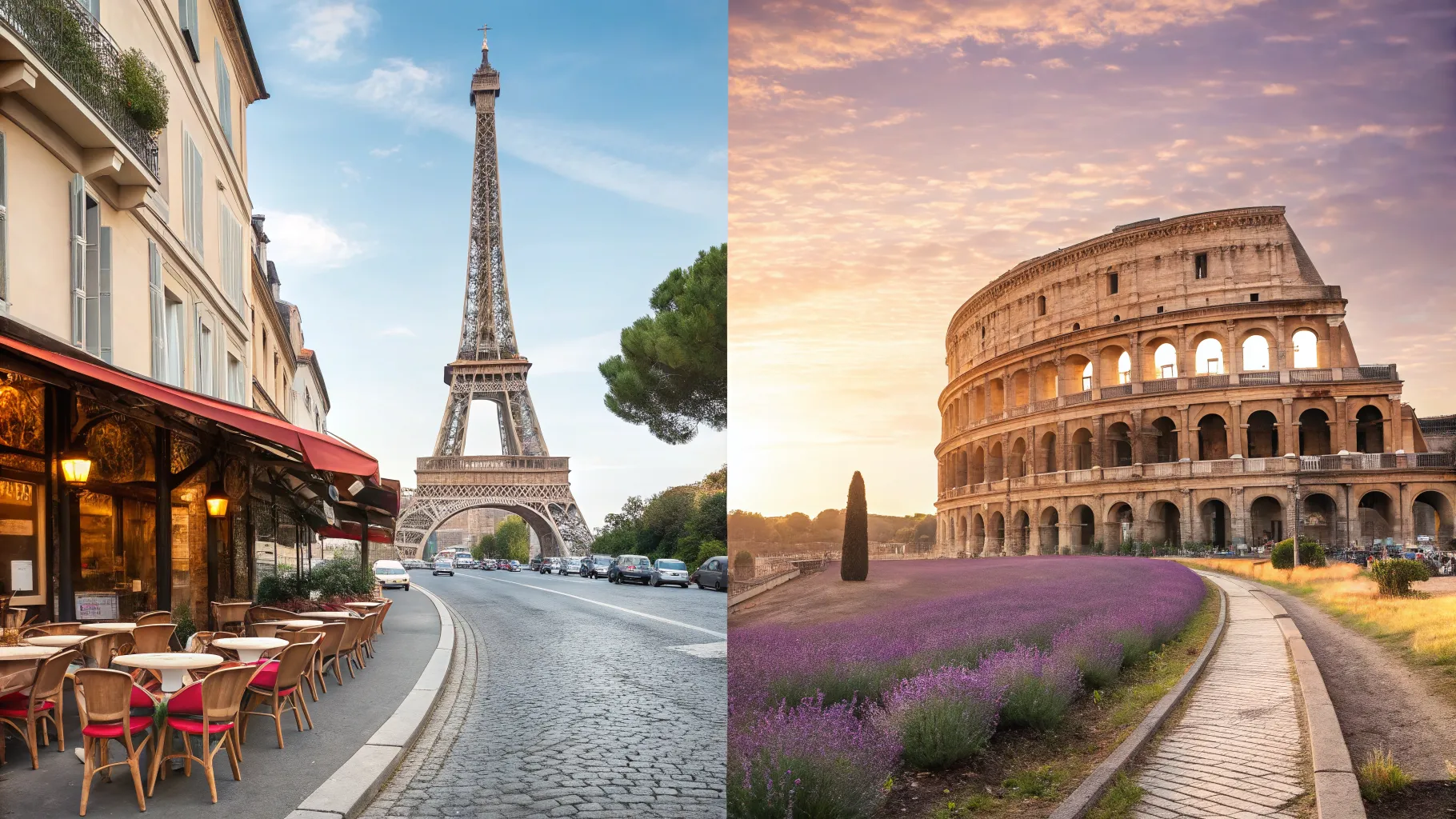
Why Combine France and Italy for Your European Journey?
Both France and Italy are global epicenters of culture, renowned for their historical significance, artistic masterpieces, and culinary delights. France captivates with its elegant cities, chateaux, and diverse regional identities, while Italy enchants with its Roman heritage, Renaissance art, and vibrant coastal towns. Each country offers a unique atmosphere and a plethora of experiences.
Combining these two destinations into a single tour allows travelers to experience a broader spectrum of European charm without the need for multiple separate trips. It presents an opportunity to contrast and compare their distinct traditions, architectural styles, and culinary practices, creating a more comprehensive and enriching travel narrative.
Understanding Different Tour Formats
When planning a France and Italy tour, several formats cater to different preferences and travel styles. Understanding these options can help in choosing the most suitable way to explore these two magnificent countries. Each format offers varying levels of flexibility, structure, and social interaction.
- Group Tours: These are often organized by tour operators, following a set itinerary with a guide and group transportation. They are ideal for travelers who prefer a structured experience, enjoy social interaction, and appreciate having logistics handled for them.
- Independent Travel Packages: These packages typically include flights, accommodations, and some transfers, but allow for greater freedom in daily activities. They suit those who want key elements pre-booked but desire flexibility in their sightseeing.
- Custom or Private Tours: Tailored to individual interests, pace, and budget, private tours offer the highest degree of personalization. A dedicated guide or itinerary planner works with the traveler to craft a unique journey.
- Themed Tours: For those with specific interests, themed tours focus on areas like culinary arts (wine and food tours), historical sites (Roman Empire, World Wars), or artistic movements (Renaissance art, Impressionism).
Popular Destinations and Iconic Itineraries
A combined tour of France and Italy often features a selection of their most iconic cities and regions, offering a balance of cultural exploration and scenic beauty. In France, Paris stands out with its grand boulevards, world-class museums, and romantic ambiance. Other popular French stops might include the lavender fields of Provence, the glamorous French Riviera, or the historic D-Day beaches of Normandy.
Italy typically showcases Rome, the Eternal City, with its ancient wonders like the Colosseum and Vatican City. Florence, the heart of the Renaissance, and Venice, with its unique canals and gondolas, are also frequent inclusions. The picturesque landscapes of Tuscany, the rugged coastline of the Cinque Terre, or the archaeological sites of Pompeii near Naples can further enrich an Italian segment of the journey.
Essential Planning Considerations for Your Trip
Careful planning is crucial for a successful and enjoyable France and Italy tour. Key factors to consider include the duration of your trip, which will dictate how many destinations you can realistically visit without feeling rushed. A minimum of two weeks is often recommended to adequately experience highlights from both countries.
Your budget will significantly influence choices regarding accommodation, dining, and activities. Travel pace is another important aspect; some prefer a fast-paced tour covering many sights, while others seek a slower, more immersive experience in fewer locations. The time of year also plays a role, with spring and fall generally offering pleasant weather and fewer crowds than the peak summer months.
Navigating Between and Within Countries
Traveling between France and Italy is relatively straightforward thanks to Europe's efficient transportation networks. High-speed trains, such as the TGV and Trenitalia, connect major cities like Paris and Milan, or Nice and Genoa, offering scenic routes and comfortable travel. For longer distances, short flights between major hubs like Paris Charles de Gaulle and Rome Fiumicino can save time.
Within each country, an extensive network of public transportation is available. Major cities boast comprehensive metro, bus, and tram systems, often offering multi-day passes for convenience. For exploring rural areas or smaller towns, renting a car can provide greater flexibility, particularly in regions like Provence or Tuscany. However, be mindful of ZTL (limited traffic zones) in many Italian city centers.
Embracing Culture and Local Experiences
A tour of France and Italy is an invitation to engage deeply with two of the world's most celebrated cultures. Food and wine experiences are paramount; from savoring Parisian pastries and Burgundian wines to indulging in Roman pasta and Tuscan Chianti, culinary exploration is a highlight. Participating in cooking classes or vineyard tours can offer deeper insights into local traditions.
Beyond dining, immerse yourself in the rich tapestry of art and history. Explore world-class museums like the Louvre or the Uffizi Gallery, wander through ancient ruins, or attend a classical music concert. Learning a few basic phrases in French and Italian, such as greetings and common courtesies, can also significantly enhance interactions with locals and demonstrate respect for their culture.
Practical Tips for a Memorable Adventure
To ensure a smooth and memorable journey, consider booking accommodations, popular attractions, and train tickets well in advance, especially if traveling during peak season. This helps secure preferred times and often avoids long queues. It is also wise to research visa requirements, if applicable, and ensure your passport has sufficient validity.
Packing smart is essential; bring comfortable walking shoes, versatile clothing layers, and adapters for European electrical outlets. Familiarize yourself with local customs and etiquette, and keep an eye on your belongings in crowded tourist areas. While credit cards are widely accepted, having some local currency for smaller purchases or tips can be beneficial.
Budgeting Your France and Italy Tour
The cost of a France and Italy tour can vary significantly based on factors such as the duration, the chosen tour format, accommodation standards, and dining preferences. Generally, independent travel can be more budget-friendly if you meticulously plan and seek out deals, while fully guided group tours or custom private tours tend to be at a higher price point due to inclusive services and expertise.
Consider your spending on accommodation, which can range from hostels and budget hotels to luxury resorts. Food expenses will depend on whether you opt for fine dining, casual restaurants, or self-catering. Activity costs, including museum entries, guided excursions, and special experiences, also contribute to the overall budget. Always allocate extra funds for unforeseen expenses and souvenirs.