Exploring India's Golden Triangle: A Journey Through History and Culture
The India Golden Triangle tour offers a classic introduction to the country's rich history, vibrant culture, and architectural marvels. This popular tourist circuit typically connects three prominent cities: Delhi, Agra, and Jaipur, forming a roughly triangular shape on the map of Northern India. It's an ideal route for first-time visitors to experience a concentrated dose of India's diverse heritage, from ancient monuments and Mughal splendors to royal palaces and bustling bazaars.
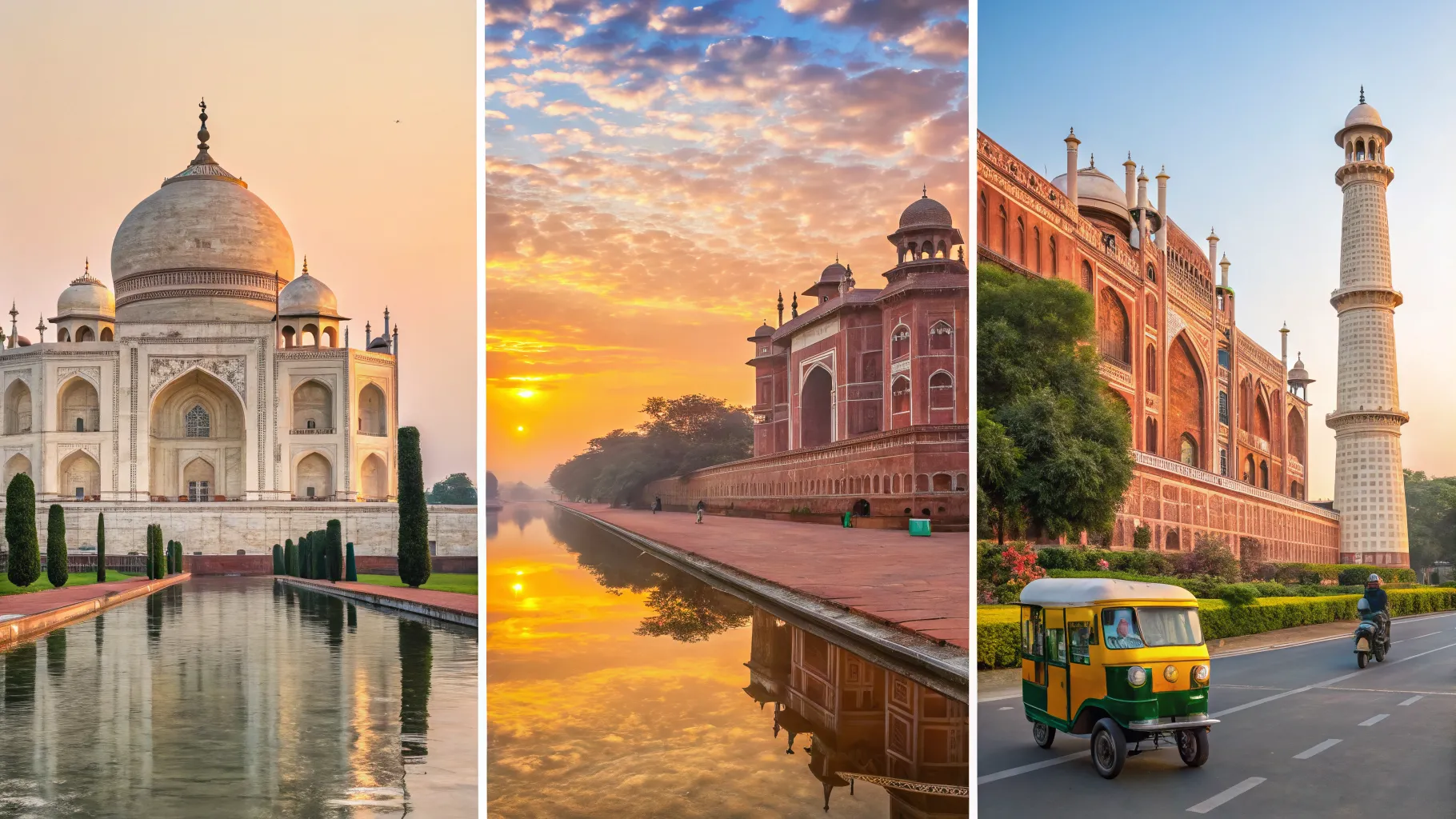
Delhi: The Capital's Rich Tapestry
Delhi, India's bustling capital, serves as the starting and ending point for most Golden Triangle tours. A city with a history spanning millennia, Delhi beautifully blends ancient traditions with modernity. Visitors can explore the narrow lanes and grand mosques of Old Delhi, once the capital of Islamic India, and witness the grandeur of New Delhi, designed by British architects Edwin Lutyens and Herbert Baker.
Key attractions in Delhi include the majestic Red Fort, the sprawling Jama Masjid, and the serene Humayun's Tomb. The towering Qutub Minar, a UNESCO World Heritage site, stands as a testament to early Indo-Islamic architecture. Beyond historical sites, Delhi offers vibrant markets, diverse culinary experiences, and a glimpse into contemporary Indian life.
Agra: Home of the Taj Mahal
Agra, located on the banks of the Yamuna River in Uttar Pradesh, is synonymous with the world-renowned Taj Mahal. This ivory-white marble mausoleum, built by Emperor Shah Jahan in memory of his wife Mumtaz Mahal, is considered one of the most beautiful buildings ever constructed and a UNESCO World Heritage site.
While the Taj Mahal is undoubtedly the crown jewel, Agra offers other significant historical sites. The massive Agra Fort, another UNESCO site, is a red sandstone fortress that served as the main residence of the emperors of the Mughal Dynasty until 1638. Nearby, the ghost city of Fatehpur Sikri, built by Emperor Akbar, offers a fascinating insight into Mughal urban planning and architecture, despite being abandoned shortly after its construction.
Jaipur: The Pink City's Royal Charm
Jaipur, the capital of Rajasthan, is famously known as the 'Pink City' due to the distinctive color of its buildings in the old city. This vibrant city is a testament to the royal heritage of the Rajput kings, featuring magnificent palaces, formidable forts, and bustling bazaars. The city's charm lies in its blend of architectural splendor and lively street culture.
Among Jaipur's most iconic landmarks are the Amber Fort, a grand hillside fort offering elephant rides and stunning views; the City Palace, a complex of palaces, gardens, and courtyards; and the Hawa Mahal, or Palace of Winds, with its unique facade of numerous small windows. The Jantar Mantar, an astronomical observatory, is another UNESCO World Heritage site that showcases ancient Indian scientific prowess.
Planning Your Golden Triangle Tour
A typical Golden Triangle tour lasts between 5 to 7 days, allowing sufficient time to explore the main attractions of each city without feeling rushed. The best time to undertake this journey is during the cooler, drier months from October to March, when the weather is most pleasant for sightseeing. Avoiding the intense summer heat and the monsoon season is generally recommended.
Transportation between cities is commonly done by private car and driver, which offers flexibility and comfort. Alternatively, India has a vast railway network and domestic flights connecting these cities, though road travel often allows for scenic routes and spontaneous stops. Pre-booking accommodation and transport, especially during peak season, is highly advisable.
Accommodation and Dining Experiences
Accommodation options across the Golden Triangle cities range from luxurious five-star hotels and heritage properties to comfortable boutique hotels and budget-friendly guesthouses. Many travelers opt for heritage hotels in Jaipur, which often offer a unique stay in former royal residences, providing a glimpse into the opulent lifestyles of maharajas.
Dining is an integral part of the Indian travel experience. Each city offers its own culinary specialties, from Delhi's street food and Mughlai cuisine to Agra's Petha sweet and Jaipur's traditional Rajasthani thalis. Exploring local eateries and trying regional dishes is highly recommended for an authentic cultural immersion. Ensure to choose reputable establishments for dining to maintain health and safety.
Tips for a Memorable Journey
To enhance your Golden Triangle experience, consider these practical tips. Dress modestly, especially when visiting religious sites, and remember to remove your shoes before entering temples or mosques. Staying hydrated, particularly during warmer months, is crucial. Carry small denominations of local currency for convenience and bargaining in local markets.
Engaging with local guides can significantly enrich your understanding of the history and culture of each site. Be open to experiencing the sensory overload of India's bustling cities, from the vibrant colors and sounds to the aromatic spices. Maintaining an open mind and a sense of adventure will ensure a truly unforgettable journey through India's magnificent Golden Triangle.