Explore Walking Aids for Elderly People to Enhance Mobility
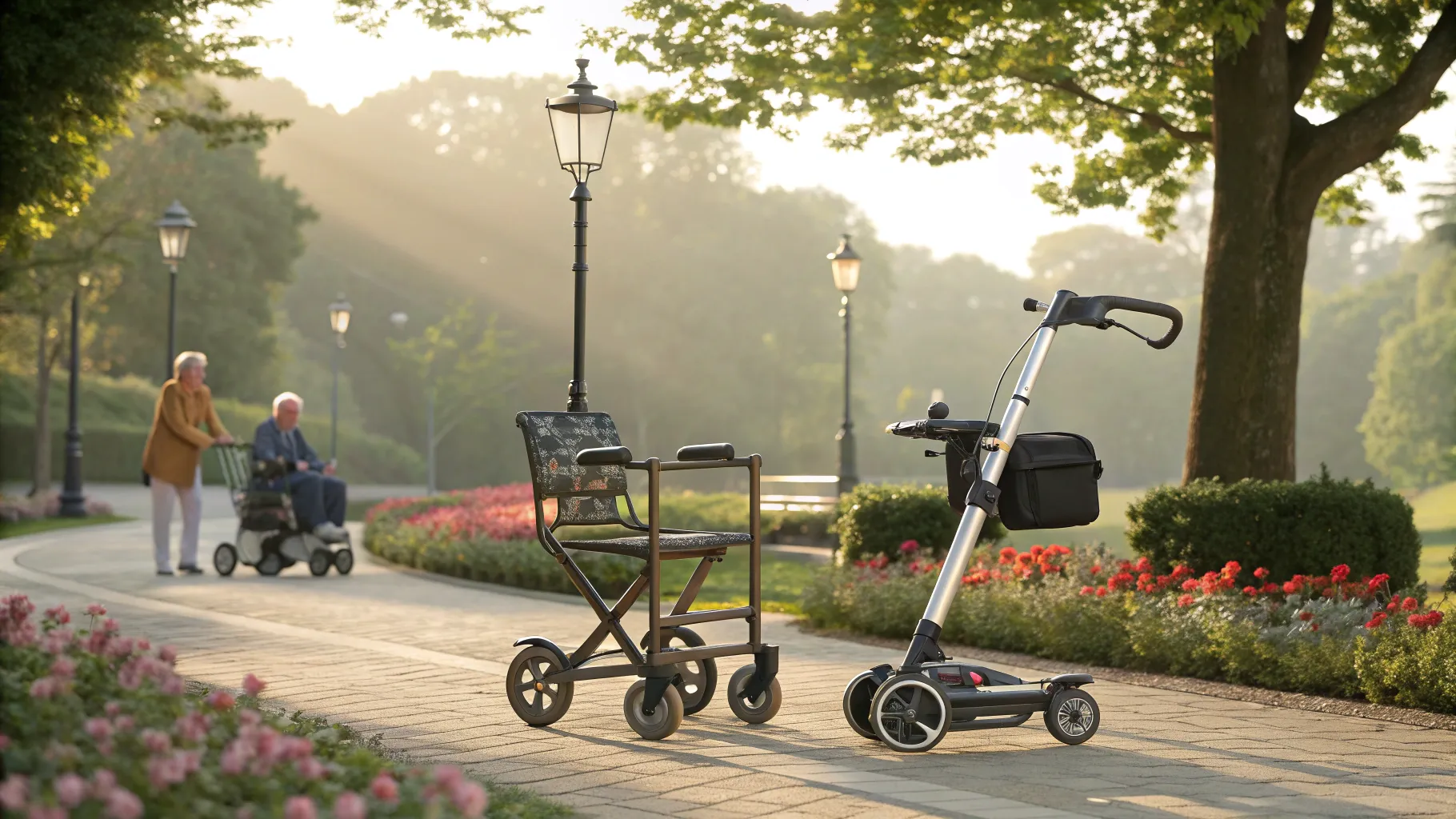
Walking Aids for Elderly People Understanding Mobility Solutions
As our loved ones grow older, maintaining their independence and mobility becomes crucial. In 2025, walking aids for elderly people have become essential tools that enable seniors to remain active and engaged. These mobility solutions are not just practical; they also play a significant role in enhancing the quality of life for seniors, allowing them to navigate their environments safely.
Types of Walking Aids for Elderly People
The market for mobility aids for seniors has seen remarkable growth, with innovative designs and features. Here are some of the most popular types of walking aids available today:
- Walking Sticks: Traditional walking sticks remain a popular choice for their simplicity and effectiveness. They provide basic support and stability and are often lightweight and portable.
- Canes: Canes come in various styles, including single-point canes and quad canes. The latter offers even more stability and is suitable for seniors who require additional support.
- Walkers: Rollators and standard walkers are excellent for those who need greater assistance. Walkers typically have four legs and a frame, providing robust support.
- Wheelchairs: For seniors who cannot walk unaided, wheelchairs (manual or powered) allow mobility and independence.
- Mobility Scooters: These battery-operated devices offer another excellent option for elderly individuals who can no longer walk long distances but still want to remain active.
- Lift Chairs: While not a walking aid in the traditional sense, lift chairs help seniors rise from a seated position, making it easier for them to transition from sitting to standing.
Selecting the right type of walking aid depends on individual needs and capabilities. For instance, according to a survey conducted in early 2025, over 60% of seniors prefer using a walker for outdoor activities, finding it more stable than a cane.
Choosing the Right Walking Aid for Seniors
Choosing the right walking aid can be a daunting task, but knowing the main factors to consider helps considerably. Here are some key considerations to ensure the selected mobility aids truly enhance the user's mobility:
- Assess the Level of Mobility: Evaluate how much support the elderly individual requires. Those with minor mobility issues may find a cane sufficient, while others may benefit from the enhanced support of a walker.
- Consider Height and Weight: It is vital to choose walking aids that cater to the user's height and weight for effective use. Adjustable height walking sticks and walkers can accommodate various body types.
- Evaluate Terrain: Think about where the mobility aid will be used most frequently. If the person will traverse different surfaces (e.g., gravel, grass, or uneven pavements), opting for a walker with larger wheels may prove beneficial.
- Seek Professional Guidance: Consulting with occupational therapists can provide expert recommendations tailored to specific physical needs, helping families choose the most suitable device.
- Test Before Buying: It's recommended to try several walking aids before making a purchase. This allows the elderly individual to get a feel for what works best in terms of comfort and stability.
The impact of these choices on quality of life cannot be undervalued. Proper walking aids can provide a new lease on independence, helping seniors to navigate their homes or community with confidence.
Assistive Devices for Elderly Mobility
Assistive devices for elderly mobility go beyond just walking aids. In fact, recent research indicates an increasing integration of technology into mobility solutions. For example, many walking aids now come equipped with high-tech features such as:
- Smart Canes: These canes have built-in sensors to detect obstacles and provide audio or vibrations to alert users.
- GPS Trackers: Integrated in some mobility scooters, they can assist caregivers in locating seniors who may wander away.
- Health Monitoring: Devices that track movement patterns and alert families if unusual changes occur in a senior's mobility.
These advancements have significantly transformed how seniors perceive mobility aids. Today, they are seen as tools for enhancing independence rather than symbols of disability.
The Importance of Regular Assessments
Keeping a close eye on the effectiveness of the selected mobility aids is essential. Regular assessments help ensure that the device continues to meet the user’s needs. Factors like changes in strength, fatigue levels, or even changes in medical condition can dictate necessary adjustments.
As of mid-2025, studies reveal that many seniors who regularly consult with healthcare professionals and reassess their walking aids report a better overall experience and fewer accidents. Regular check-ups can lead to timely recommendations for switching to a different aid as physical capabilities change over time.
Social and Psychological Benefits
While the physical benefits of walking aids for elderly people are clear, it's equally important to consider their social and psychological implications. Studies have shown that seniors using walking aids are more inclined to participate in social activities. They feel more secure and confident when engaging in community events and outings.
Furthermore, empowerment through enhanced mobility aids contributes positively to mental health, reducing feelings of isolation and depression. A senior who feels capable of moving freely is more likely to engage with family and friends, contributing to their mental well-being.
In 2025, the conversation around elderly mobility is evolving. The combination of new technology, better understanding, and compassionate care strategies ensures our seniors can maintain their independence, health, and happiness. The right walking aids empower elderly individuals, keeping them mobile, balanced, and connected to the world around them.