Explore Info on Types of Hearing Aids and Their Benefits
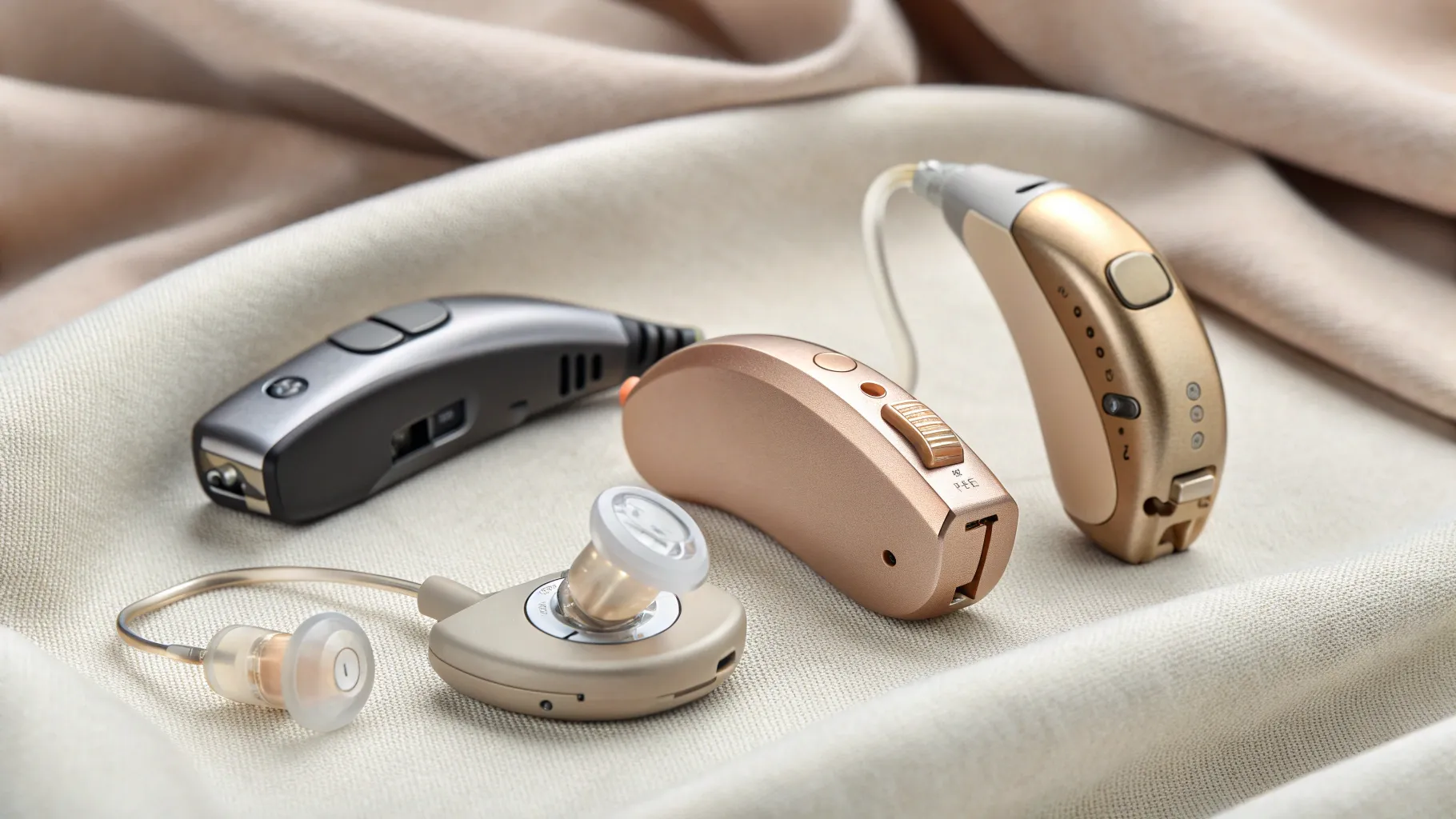
Understanding Hearing Aids: Types and Benefits
In 2025, the importance of hearing aids cannot be overstated. Many seniors and individuals with hearing impairments are embracing this technology to enhance their quality of life. With advancements in technology, today’s hearing aids offer improved functionality, comfort, and versatility. So, what are the different types of hearing aids and how do they cater to varying needs?
Types of Hearing Aids
Hearing aids come in various shapes and sizes, each tailored to suit specific levels of hearing loss and lifestyle preferences. Among the most popular types are:
- Behind-the-ear (BTE) hearing aids: These devices sit behind the ear and connect to a custom earpiece that sits inside the ear canal. BTEs are often preferred for their durability and better amplification capabilities, making them ideal for seniors who may need stronger assistance.
- In-the-ear (ITE) hearing aids: These are custom-made to fit entirely within the outer ear. They offer ease of use and are slightly less visible than BTE devices, providing a good balance between performance and discretion.
- Receiver-in-canal (RIC) hearing aids: A hybrid of BTE and ITE designs, RICs have a small case behind the ear with a receiver placed in the ear canal. This design allows for a more natural sound experience and is increasingly popular due to its aesthetics.
- Completely-in-canal (CIC) hearing aids: These models are virtually invisible as they fit deep within the ear canal. They are convenient for people who prefer minimal visibility but may not be suitable for all types of hearing loss.
- Implantable hearing aids: For individuals with severe to profound hearing loss, options like cochlear implants can be a life-changing solution. They bypass damaged portions of the ear and directly stimulate the auditory nerve.
Hearing Aids for Seniors: Meeting Unique Needs
Seniors often experience distinct challenges when it comes to hearing loss. Age-related hearing loss, also known as presbycusis, can impact communication and lead to social isolation. According to recent statistics from the Hearing Loss Association of America (HLAA), approximately 48 million Americans, including a significant portion of seniors, experience some form of hearing loss. With the right hearing aid, many of these individuals report improved social interactions and mental well-being.
One of the key features that have evolved in recent years is the development of digital hearing aids. Unlike their analog predecessors, digital hearing aids can be programmed to cater precisely to the user’s unique hearing loss profile. This means they can amplify specific frequencies where hearing loss is most pronounced, allowing users to hear conversations more clearly and stay engaged with their surroundings.
Moreover, modern digital hearing aids often come equipped with Bluetooth technology, enabling seniors to connect directly to their smartphones, televisions, and other devices. This seamless integration not only enhances the listening experience but also keeps users connected with their loved ones. For instance, a senior may attend a family gathering, streaming music or participating in a video call directly through their hearing aids, creating richer and more meaningful interactions.
In addition to connectivity, the comfort and adjustability of these devices have vastly improved. Today’s dynamic technology allows users to make real-time adjustments to volume and settings. Through accompanying smartphone apps, users can tweak their hearing aids based on various environments, whether in a bustling restaurant or a quiet room—giving them greater control over their auditory experiences.
Real-World Impact and Case Studies
To illustrate the profound difference that modern hearing aids can make, let’s consider a few real-life examples. In a recent study conducted by the American Seniors Housing Association, nearly 82% of seniors who adopted hearing aids reported a significant improvement in their social lives. They felt more capable of participating in group discussions and outings, which in turn boosted their overall happiness and social engagement.
Additionally, many seniors have shared stories of regained independence. One case highlights a 72-year-old woman who previously felt isolated due to her hearing loss. After receiving her first pair of RIC hearing aids, she began participating in community activities again, including bingo nights and volunteering at her local library. Her newfound confidence not only helped her socially but also positively impacted her mental health.
The financial aspect of hearing aids has also come into sharper focus in 2025. While some may hesitate due to perceived cost barriers, understanding that many insurance plans now cover hearing aids can alleviate these concerns. Advocacy by organizations has led to better coverage, with some states even mandating coverage for seniors.
For families considering assistance options for elderly loved ones, seeking support from audiologists can be invaluable. Audiologists can provide essential guidance on the most suitable types of hearing aids based on individual needs and preferences, making the process less daunting and more efficient.
In summary, hearing aids, especially in their modern digital forms, serve as a bridge to a more connected, fulfilling life for many seniors. With a variety of options available—ranging from BTE to CIC models—the choice ultimately lies in personal comfort and lifestyle preferences. By understanding these types of hearing aids and remaining informed about the advancements, seniors can take proactive steps towards enhancing their hearing health and overall quality of life.