Explore Types of Hearing Aids for Seniors and More
Understanding Hearing Aids
Hearing loss affects millions of individuals around the globe, and finding the right hearing aid can drastically improve the quality of life. In 2025, technological advancements have transformed hearing aids into sophisticated devices that not only amplify sound but also offer unique features tailored to different users. This article explores the various types of hearing aids available, emphasizing options specifically designed for seniors, and highlighting popular styles like digital hearing aids and behind-the-ear models.
Types of Hearing Aids
Hearing aids come in several styles and types, each catering to different levels of hearing loss and personal preferences. With options that range from discreet in-the-ear devices to powerful behind-the-ear aids, the market has something for everyone. Let's break down the most common types:
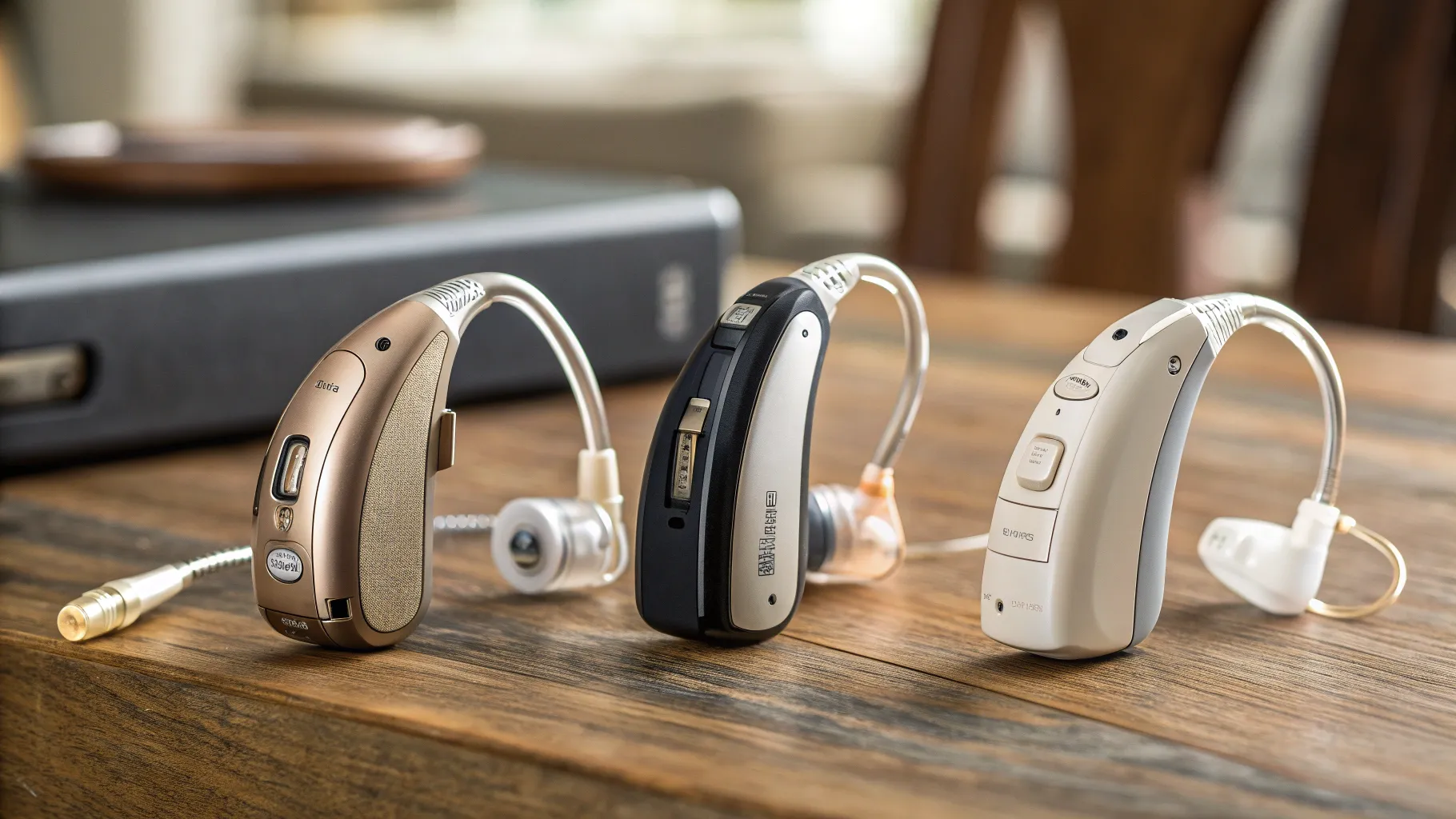
- Behind-The-Ear (BTE) Hearing Aids: These are the most commonly used hearing aids. BTEs sit behind the ear and connect to an ear mold that fits inside the ear canal. Their design makes them suitable for various hearing losses and they have longer battery life compared to smaller models.
- In-The-Ear (ITE) Hearing Aids: These are custom-made to fit within the outer ear. ITE aids tend to be more discreet than BTE models but may not be as powerful, making them suitable for individuals with mild to moderate hearing loss.
- In-The-Canal (ITC) Hearing Aids: Slightly smaller than ITEs, ITCs fit partially in the ear canal. They are less visible and designed for mild to moderate hearing loss.
- Completely-In-Canal (CIC) Hearing Aids: These fit completely within the ear canal and are virtually invisible. CIC aids are suitable for mild to moderate hearing loss and are ideal for users seeking a discreet option.
- Digital Hearing Aids: Most modern hearing devices today are digital, meaning they convert sound waves into digital signals. These aids offer the ability to adjust settings for different environments, providing clearer sound and enhanced speech recognition.
According to a report released in early 2025, approximately 40% of seniors in the United States use hearing aids, highlighting their importance in managing age-related hearing loss.
Hearing Aids for Seniors
As individuals age, the need for hearing aids becomes more prevalent. Hearing loss can significantly affect social interactions, cognitive function, and overall well-being in seniors. Brands have recognized this demand and tailored their offerings specifically for older adults. For instance, recent surveys show that about 60% of seniors prefer hearing aids that are easy to operate and maintain, with one-touch volume adjustment features...
Moreover, many modern hearing aids now come equipped with Bluetooth technology, enabling seniors to connect their devices to smartphones and other audio sources. This feature alone has revolutionized how seniors experience sound and communication. As of now, statistics indicate that around 75% of digital hearing aids have Bluetooth connectivity.
Seniors often benefit from BTE hearing aids since they are generally user-friendly and provide substantial amplification. Many BTE models also come with wireless capabilities and noise reduction settings, which help in noisy environments - a common scenario in everyday life.
Real-World Applications and Innovation
Manufacturers have made significant strides regarding user experience and functionality. Recent innovations include AI-powered hearing aids that adapt to users’ preferences over time. For example, these sophisticated devices can automatically adjust the volume based on the noise level in the surroundings and even distinguish between different types of sounds. A large portion of users in a recent study expressed their satisfaction with these features, with 82% noting that AI enhancements made their hearing aids significantly better.
The advantages provided by technology extend beyond just enhancements in sound quality. Many hearing aids now provide health tracking features, allowing users to monitor their activity levels and even detect falls. This feature is especially beneficial for seniors, promoting independence while ensuring their safety.
Your Hearing Aids Search
If you or a loved one is considering hearing aids, take into account various factors:
- Consultation: Always start with a hearing evaluation from a qualified audiologist. They can gauge the specific type and level of hearing loss, recommending the most effective options.
- Comfort and Fit: Try different styles to find a comfortable fit. A well-fitted hearing aid can make a significant difference in performance.
- Technology: Consider features that align with your lifestyle, such as rechargeable batteries, Bluetooth connectivity, or easy volume control.
- Budget: Hearing aids can range from a few hundred to several thousand dollars. However, many insurance plans cover a portion of the costs, so it's wise to check these benefits.
In summary, hearing aids have come a long way in the past few years, particularly for seniors who rely on them for better communication and social engagement. With advancements in technology such as the introduction of AI and Bluetooth capabilities, individuals are benefitting from a hearing experience that was once thought impossible.
As we progress through 2025, staying informed about the options and understanding how to navigate the choices available can make a significant difference in enhancing quality of life for those experiencing hearing loss. The right hearing aids can open up a world of sound and connection, making every conversation more accessible and enjoyable.